
Live Video-Broadcast · July 14 – July 16, 2025
Introduction to International Taxation 2025 (presented by NYU School of Professional Studies) (Day 2)
Advanced course covering CFC taxation, Subpart F income, PFIC rules, and international tax compliance including recent legislative changes.
8:45 AM - 4:30 PM EST 7:45 AM - 3:30 PM CST 6:45 AM - 2:30 PM MST 5:45 AM - 1:30 PM PST
About this program


Course Overview
Mastering U.S. International Tax Compliance
Participants will learn to navigate CFC and PFIC taxation, including Subpart F income, GILTI/NCTI rules, and reporting obligations. These skills enable accurate cross-border tax planning and compliance.
- CFC Classification Identify controlled foreign corporation status and ownership thresholds.
- Subpart F Categorize foreign base company income and apply exceptions.
- PFIC Regimes Select optimal tax treatment for passive foreign investments.
- Reporting Obligations Complete required international information returns accurately.
Why Attend
Thorough understanding of U.S. international taxation rules is essential for practitioners to ensure compliance, avoid severe penalties, and properly advise clients on complex CFC, PFIC, and cross-border reporting obligations.
- $610B Total GILTI profits reported to the IRS in Tax Year 2021 by C corporations with controlled foreign corporation ownership.
- 30+ Estimated hours the IRS indicates are required to complete a single Form 5471 for controlled foreign corporation reporting.
- $60k Maximum total penalty exposure per foreign corporation per year for failure to file Form 5471, including initial and continuation penalties.
- 107k+ Number of Controlled Foreign Corporations (CFCs) reported to the IRS by U.S. multinational groups in Tax Year 2014.
Key Topics
- CFC Rules Subpart F requires U.S. shareholders to include certain undistributed CFC income annually.
- Foreign Income Foreign base company income includes personal holding, sales, and services income categories.
- NCTI Taxation Net CFC Tested Income replaces GILTI with a 12.6% effective corporate rate.
- PFIC Regimes Three PFIC tax regimes exist: excess distribution, qualified electing fund, and mark-to-market.
- Tax Credits Corporate shareholders claim indirect foreign tax credits for taxes paid by CFCs.
- Compliance Forms Required forms include 5471, 8621, 8865, FBAR, and Form 8938 filings.
What You Will Learn and Gain
What you will learn
Attorneys will learn the federal income taxation of cross-border transactions, including CFC and Subpart F rules, PFICs, and international tax compliance obligations.
What you will gain
Attorneys will gain practical knowledge of foreign tax credits, Section 245A deductions, entity classification elections, and strategies for individual CFC shareholders.
Speakers
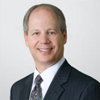
William B. Sherman
Holland & Knight
William B. Sherman is a Partner in Holland & Knight’s Miami and Fort Lauderdale offices and chair of the firm’s Tax Team.
Full profile
Experience
He concentrates in domestic and international taxation, providing sophisticated tax planning for mergers and acquisitions, restructurings, joint ventures, and investments for clients across industries — hospitality, petrochemicals, real estate, transportation, telecommunications, investment management, and pharmaceuticals among them — with broad experience in U.S. investment overseas and foreign investment in the United States.Education
He earned his B.A. from Brooklyn College of the City University of New York (1975), his J.D. from Brooklyn Law School (1979), and his LL.M. in Taxation from New York University School of Law (1980). He is admitted in New York and Florida.Recognition
He is a Fellow of the American College of Tax Counsel and has been recognized by Chambers USA (ranked for 18 years), The Legal 500 USA, Lawdragon 500 Leading Global Tax Lawyers, and Who’s Who Legal: Corporate Tax.Professional involvement
He chairs the NYU Institute on Federal Taxation’s International Tax program and NYU’s Summer Institute in Taxation Introductory and Advanced International Tax Seminars, teaches International Taxation: Outbound as an adjunct professor in the University of Miami’s Graduate LL.M. Program in Taxation, and is a past chair of the ABA Tax Section’s Committee on U.S. Activities of Foreigners and Tax Treaties.Agenda
-
US Taxation of Foreign Persons and Entities
This comprehensive session covers the foundational rules governing how the US taxes foreign persons, including source of income determination, US trade or business concepts, and effectively connected income. Topics also include FDAP income, withholding taxes, FIRPTA, branch profits tax, and the base erosion anti-abuse tax (BEAT).
William B. Sherman, Michael J. Miller, David G. Shapiro, Robert Christoffel, Kieran Taylor, Logan E. Gans, Lucas Giardelli, John D. Bates, Jason Robertson, Jeffrey S. Levin, Micah J. Gibson, J.P. Gregorcy, Joseph M. Calianno, Thomas M. Giordano-Lascari, Michael J.A Karlin, Alan I. Appel, Bruna Barbosa, Amitai Barth, Adam Bair, Sean Dokko
-
Tax Treaty Primer and Planning Techniques Overview
Tax treaties modify statutory tax rules affecting cross-border taxation in significant ways. This session explores typical treaty provisions, eligibility requirements for treaty benefits, and how treaties modify the tax rules that would otherwise apply to international transactions.
William B. Sherman, Michael J. Miller, David G. Shapiro, Robert Christoffel, Kieran Taylor, Logan E. Gans, Lucas Giardelli, John D. Bates, Jason Robertson, Jeffrey S. Levin, Micah J. Gibson, J.P. Gregorcy, Joseph M. Calianno, Thomas M. Giordano-Lascari, Michael J.A Karlin, Alan I. Appel, Bruna Barbosa, Amitai Barth, Adam Bair, Sean Dokko
-
Transfer Pricing Basics Under Section 482
Cross-border transactions between related persons are subject to the transfer pricing rules of Section 482. This session addresses general Section 482 rules and their application to transfers of tangible and intangible property, services, loans, and cost-sharing agreements.
William B. Sherman, Michael J. Miller, David G. Shapiro, Robert Christoffel, Kieran Taylor, Logan E. Gans, Lucas Giardelli, John D. Bates, Jason Robertson, Jeffrey S. Levin, Micah J. Gibson, J.P. Gregorcy, Joseph M. Calianno, Thomas M. Giordano-Lascari, Michael J.A Karlin, Alan I. Appel, Bruna Barbosa, Amitai Barth, Adam Bair, Sean Dokko
-
Controlled Foreign Corporations and Subpart F Rules
Subpart F is the principal anti-deferral regime providing for taxation of US shareholders of controlled foreign corporations. This session explores CFC and US shareholder definitions, types of Subpart F income, exceptions and limitations, Section 956 inclusions, and the GILTI/NCTI rules including recent One Big Beautiful Bill Act changes.
William B. Sherman, Michael J. Miller, David G. Shapiro, Robert Christoffel, Kieran Taylor, Logan E. Gans, Lucas Giardelli, John D. Bates, Jason Robertson, Jeffrey S. Levin, Micah J. Gibson, J.P. Gregorcy, Joseph M. Calianno, Thomas M. Giordano-Lascari, Michael J.A Karlin, Alan I. Appel, Bruna Barbosa, Amitai Barth, Adam Bair, Sean Dokko
-
Passive Foreign Investment Company Taxation Rules
The US taxation of shareholders of passive foreign investment companies is complex and often misunderstood. This session covers PFIC definitional provisions including the income and asset tests, the three alternative taxation methods (excess distribution, QEF, and mark-to-market), and purging elections.
William B. Sherman, Michael J. Miller, David G. Shapiro, Robert Christoffel, Kieran Taylor, Logan E. Gans, Lucas Giardelli, John D. Bates, Jason Robertson, Jeffrey S. Levin, Micah J. Gibson, J.P. Gregorcy, Joseph M. Calianno, Thomas M. Giordano-Lascari, Michael J.A Karlin, Alan I. Appel, Bruna Barbosa, Amitai Barth, Adam Bair, Sean Dokko
-
International Tax Compliance and Ethical Considerations
Reporting and disclosure are fundamental tools governments use to enforce domestic tax laws, with dramatically expanded requirements and increased penalties in recent years. This session details US reporting obligations including Forms 5471, 8865, 3520, FBAR, and 8938, along with ethical issues confronting taxpayers and their advisors.
William B. Sherman, Michael J. Miller, David G. Shapiro, Robert Christoffel, Kieran Taylor, Logan E. Gans, Lucas Giardelli, John D. Bates, Jason Robertson, Jeffrey S. Levin, Micah J. Gibson, J.P. Gregorcy, Joseph M. Calianno, Thomas M. Giordano-Lascari, Michael J.A Karlin, Alan I. Appel, Bruna Barbosa, Amitai Barth, Adam Bair, Sean Dokko
-
Direct and Indirect Foreign Tax Credit Rules
The US imposes worldwide taxation on US citizens, residents, and business entities. This session explores how Sections 901, 904, and 960 provide for and limit the ability of US taxpayers to claim tax credits for foreign taxes paid directly and indirectly through CFCs.
William B. Sherman, Michael J. Miller, David G. Shapiro, Robert Christoffel, Kieran Taylor, Logan E. Gans, Lucas Giardelli, John D. Bates, Jason Robertson, Jeffrey S. Levin, Micah J. Gibson, J.P. Gregorcy, Joseph M. Calianno, Thomas M. Giordano-Lascari, Michael J.A Karlin, Alan I. Appel, Bruna Barbosa, Amitai Barth, Adam Bair, Sean Dokko
-
Outbound Transfers Under Section 367 and Inversions
Sections 367 and 7874 are intended to curb the ability of US taxpayers to transfer assets to foreign corporations in otherwise tax-free transactions and to prevent corporate inversions. This session provides an overview of both sections’ mechanisms and the consequences of failing to satisfy their requirements.
William B. Sherman, Michael J. Miller, David G. Shapiro, Robert Christoffel, Kieran Taylor, Logan E. Gans, Lucas Giardelli, John D. Bates, Jason Robertson, Jeffrey S. Levin, Micah J. Gibson, J.P. Gregorcy, Joseph M. Calianno, Thomas M. Giordano-Lascari, Michael J.A Karlin, Alan I. Appel, Bruna Barbosa, Amitai Barth, Adam Bair, Sean Dokko
-
Planning for Foreign Individuals Investing in US
Foreign individuals investing in or moving to the US face complex structuring considerations to minimize US income, estate, and gift taxation. This session addresses the application of US rules and planning considerations while integrating home country tax rules for foreign individuals.
William B. Sherman, Michael J. Miller, David G. Shapiro, Robert Christoffel, Kieran Taylor, Logan E. Gans, Lucas Giardelli, John D. Bates, Jason Robertson, Jeffrey S. Levin, Micah J. Gibson, J.P. Gregorcy, Joseph M. Calianno, Thomas M. Giordano-Lascari, Michael J.A Karlin, Alan I. Appel, Bruna Barbosa, Amitai Barth, Adam Bair, Sean Dokko
-
Case Studies for Outbound and Inbound Investment
This capstone session incorporates the disparate rules covered throughout the program into practical case studies dealing with both outbound and inbound investment scenarios. Participants will apply their knowledge to real-world situations while reviewing key concepts from the entire program.
William B. Sherman, Michael J. Miller, David G. Shapiro, Robert Christoffel, Kieran Taylor, Logan E. Gans, Lucas Giardelli, John D. Bates, Jason Robertson, Jeffrey S. Levin, Micah J. Gibson, J.P. Gregorcy, Joseph M. Calianno, Thomas M. Giordano-Lascari, Michael J.A Karlin, Alan I. Appel, Bruna Barbosa, Amitai Barth, Adam Bair, Sean Dokko
MCLE Credits
-
Alabama
Pending CLE Approval
16.5 General, 1.5 Ethics
-
Alaska
Approved for CLE Credits
16.5 General, 1.5 Ethics
Our programs are CLE-eligible through Alaska’s recognition of multi-jurisdictional reciprocity.
-
Arizona
Approved for CLE Credits
16.5 General, 1.5 Professional Responsibility/Ethics
-
Arkansas
Approved for CLE Credits
16.5 General, 1.5 Ethics
-
California
Approved for CLE Credits
16.5 General, 1.5 Ethics
-
Colorado
Pending CLE Approval
16.5 General, 1.5 Ethics / Professionalism
-
Connecticut
Approved for CLE Credits
16.5 General, 1.5 Ethics / Professionalism
-
Delaware
Pending CLE Approval
16.5 General, 1.5 Enhanced Ethics
-
District of Columbia
No MCLE Required
18 CLE Hour(s)
-
Florida
Pending CLE Approval
16.5 General Hours, 1.5 Ethics Hours
Receive CLE credit in Florida via Attorney Submission.
-
Georgia
Pending CLE Approval
16.5 General, 1.5 Ethics
-
Hawaii
Approved for CLE Credits
16.5 General, 1.5 Ethics / Professionalism
-
Idaho
Pending CLE Approval
16.5 General, 1.5 Ethics / Professionalism
-
Illinois
Pending CLE Approval
16.5 General, 1.5 Ethics, Civility, Professionalism
-
Indiana
Pending CLE Approval
16.5 General, 1.5 Ethics
-
Iowa
Pending CLE Approval
16.5 General, 1.5 Ethics
-
Kansas
Pending CLE Approval
16.5 Substantive, 1.5 Ethics / Professionalism
-
Kentucky
Pending CLE Approval
16.5 General, 1.5 Ethics
-
Louisiana
Pending CLE Approval
16.5 General, 1.5 Ethics
-
Maine
Pending CLE Approval
16.5 General, 1.5 Ethics / Professionalism
-
Maryland
No MCLE Required
18 CLE Hour(s)
-
Massachusetts
No MCLE Required
18 CLE Hour(s)
-
Michigan
No MCLE Required
18 CLE Hour(s)
-
Minnesota
Pending CLE Approval
16.5 General, 1.5 Ethics
-
Mississippi
Pending CLE Approval
16.5 General, 1.5 Ethics
-
Missouri
Approved for Self-Study Credits
19.8 General, 1.8 Ethics
-
Montana
Pending CLE Approval
16.5 General, 1.5 Professional Fitness and Integrity
-
Nebraska
Pending CLE Approval
16.5 General, 1.5 Professional Responsibility
myLawCLE reports attendance to Nebraska on each attorney’s behalf for all programs. Please do not self-report.
-
Nevada
Pending CLE Approval
16.5 General, 1.5 Ethics / Professionalism
-
New Hampshire
Approved for CLE Credits
990 General minutes, 90 Ethics / Professionalism minutes
As of July 1, 2014, the NHMCLE Board no longer provides pre- or post-approval of courses. Attendees must self-determine whether a program is eligible for credit, and self-report their attendance online at www.nhbar.org, based on qualification provisions of Rule 53.
-
New Jersey
Approved for CLE Credits
19.8 General, 1.8 Ethics / Professionalism
Our programs are CLE-eligible through New Jersey’s recognition of multi-jurisdictional reciprocity, except for the courses required under BCLE Reg. 201:2
-
New Mexico
Pending CLE Approval
16.5 General, 1.5 Ethics / Professionalism
-
New York
Approved for CLE Credits
19.5 General, 1.5 Ethics / Professionalism
Our programs are CLE-eligible through New York’s Approved Jurisdiction Group “B”.
-
North Carolina
Pending CLE Approval
16.5 General, 1.5 Ethics
-
North Dakota
Approved for CLE Credits
16.5 General, 1.5 Ethics
Our programs are CLE-eligible through North Dakota’s recognition of multi-jurisdictional reciprocity. Section 1, Policy 1.14
-
Ohio
Approved for Self-Study Credits
16 General, 1.5 Professional Conduct
-
Oklahoma
Pending CLE Approval
20 General, 2 Ethics / Professionalism
-
Oregon
Pending CLE Approval
16.5 General, 1.5 Ethics
-
Pennsylvania
Pending CLE Approval
16.5 General, 1.5 Ethics / Professionalism
-
Rhode Island
Pending CLE Approval
20 General, 2 Ethics / Professionalism
-
South Carolina
Pending CLE Approval
16.5 General, 1.5 Ethics / Professionalism
-
South Dakota
No MCLE Required
18 CLE Hour(s)
-
Tennessee
Pending CLE Approval
17.8 General, 1.5 Dual
-
Texas
Pending CLE Approval
16.5 General, 1.5 Ethics / Professionalism
-
Utah
Pending CLE Approval
16.5 General, 1.5 Ethics / Professionalism
-
Vermont
Approved for CLE Credits
16.5 General, 1.5 Ethics
-
Virginia
Not Eligible
16.5 General Hours, 1.5 Ethics / Professionalism Hours
-
Washington
Approved via Attorney Submission
16.5 Law & Legal Hours, 1.5 Ethics Hours
Receive CLE credit in Washington via Attorney Submission. myLawCLE will supply Washington state attorneys with instructions on how to gain credit.
-
West Virginia
Pending CLE Approval
19.8 General, 1.8 Ethics / Professionalism
-
Wisconsin
Pending CLE Approval
21 General
-
Wyoming
Pending CLE Approval
16.5 General, 1.5 Ethics / Professionalism
No state matches.