
On-Demand · October 24, 2025
Drafting and Negotiating Data Processing Agreements Amid Expanding Privacy, Security, and AI Laws
Master data processing agreement requirements across GDPR, CCPA/CPRA, and PIPEDA, including negotiation strategies, audit provisions, and 2026 compliance updates.

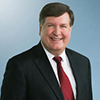 Melissa Krasnow VLP Law Group LLPKenneth K. Dort Faegre Drinker Biddle & Reath LLP
About this program


Course Overview
Navigating Data Processing Agreements Across Jurisdictions
Participants will learn to draft compliant data processing agreements under GDPR, CCPA/CPRA, and PIPEDA frameworks. These skills enable practitioners to negotiate key terms and implement effective auditing provisions.
- Contract Provisions Draft required DPA clauses under multiple frameworks.
- Regulatory Compliance Apply GDPR Article 28 and CCPA requirements.
- Auditing Protocols Structure effective audit provisions and cost allocations.
- Emerging Requirements Prepare for 2026 AI and cybersecurity mandates.
Why Attend
Mastering data processing agreements is essential for legal practitioners to protect clients from escalating regulatory fines, breach liabilities, and third-party vendor risks across global privacy frameworks.
- €6.2B Total cumulative GDPR fines issued since 2018, with over 60% imposed since January 2023, demonstrating intensifying regulatory enforcement globally.
- $4.44M Global average cost of a data breach in 2025, while U.S. breaches reached a record $10.22 million, underscoring the financial stakes of inadequate data protection agreements.
- 36% Of all data breaches in 2024 originated from third-party vendor compromises, up 6.5% year-over-year, highlighting critical need for robust DPA provisions with processors.
- 85% Of executives report compliance requirements have become more complex over the past three years, driving demand for practitioners skilled in navigating multi-jurisdictional data privacy obligations.
Key Topics
- GDPR Requirements Article 28 mandates eight criteria for data processing agreements by third-party processors.
- PIPEDA Principles Ten fair information principles govern Canadian private sector data collection and processing.
- California Enforcement Recent fines exceeded $1.35 million for missing required contract language with vendors.
- 2026 Changes New cybersecurity audits, risk assessments, and automated decision-making requirements take effect.
- Audit Provisions Contracts should specify pre-approved auditors, frequency limits, and cost allocation terms.
- State AI Laws California, Texas, and Colorado AI laws take effect in 2026 with varying requirements.
What You Will Learn and Gain
What you will learn
Attorneys will learn required contract provisions under GDPR, CCPA/CPRA, and PIPEDA, along with negotiation strategies for data processing agreements and compliance with state AI laws.
What you will gain
Attorneys will gain practical insights into auditing provisions, enforcement action trends, upcoming January 2026 regulatory changes, and vendor classification requirements across multiple privacy frameworks.
Speakers
Melissa Krasnow
VLP Law Group LLP
Melissa Krasnow is a Partner at VLP Law Group LLP who advises companies on incident response, tabletop exercises, crisis management, security programs, artificial intelligence, privacy and cyber governance, and data security matters.
Full profile
Experience
Counsels companies on HIPAA, FERPA, financial services regulatory laws, state laws including CPRA, and GDPR. Advises on insurance policy matters, privacy policies and terms, data security addenda, data processing agreements, business associate agreements, mergers and acquisitions, and federal and state artificial intelligence, privacy, and data security laws.Recognition
Recognized in Chambers in Global Privacy & Data Security and USA - Nationwide Privacy & Data Security: Cybersecurity and USA - Nationwide Privacy & Data Security: Privacy in 2025. Kenneth K. Dort
Faegre Drinker Biddle & Reath LLP
Kenneth Dort is a preeminent resource on mission-critical data security issues, consulted for immediate counsel on high-stakes data breaches and guidance on privacy and legal implications of new technologies.
Full profile
Experience
Over 30-year career focused on law and regulation framing development of new technology. Engaged by some of the world's largest companies to stem and mitigate major data breaches involving credit card information and employee, customer and patient data. Creates and improves data security and privacy protocols for highly sensitive information, devices and mobile applications. Powerful litigator, deft negotiator with regulators, and valued counselor on software development and integration. Continually monitors regulatory landscape of artificial intelligence.Recognition
Recognized adviser to clients around the world on data security and privacy practices.Agenda
-
GDPR Article 28 Data Processing Agreement Requirements
This session explores the foundational requirements of GDPR Article 28, covering the eight mandatory components for data processing agreements between controllers and processors. Participants will learn about documented instructions, confidentiality obligations, cybersecurity safeguards, subprocessor requirements, data subject rights, breach notification, retention protocols, and auditing obligations.
Melissa Krasnow, Kenneth K. Dort
-
PIPEDA's Ten Fair Information Principles Overview
This session examines Canada’s federal privacy statute governing commercial activities, including its ten fair information principles that closely track GDPR requirements. Topics include accountability, consent requirements, data minimization, safeguards, and why Canada achieved EU adequacy status.
Melissa Krasnow, Kenneth K. Dort
-
California Consumer Privacy Law Compliance Strategies
This session focuses on the CCPA/CPRA framework, covering definitions of businesses, selling and sharing data, and required contract provisions with service providers. Participants will review recent enforcement actions and prepare for new requirements taking effect January 1, 2026.
Melissa Krasnow, Kenneth K. Dort
-
State Data Security Law Contract Requirements
This session addresses California’s data security procedures law and its broader application beyond for-profit entities. Attendees will learn about reasonable security standards based on the CIS critical security controls and required contract language for third-party relationships.
Melissa Krasnow, Kenneth K. Dort
-
Emerging State Artificial Intelligence Governance Laws
This session provides an overview of AI laws taking effect in 2026 from California, Texas, and Colorado. Participants will explore key distinctions between frontier developers, deployers, and high-risk AI systems, along with compliance considerations for each framework.
Melissa Krasnow, Kenneth K. Dort
MCLE Credits
-
Alabama
Approved for Self-Study Credits
1.5 General
-
Alaska
Approved for CLE Credits
1.5 General
Our programs are CLE-eligible through Alaska’s recognition of multi-jurisdictional reciprocity.
-
Arizona
Approved for CLE Credits
1.5 General
-
Arkansas
Approved for CLE Credits
1.5 General
-
California
Approved for CLE Credits
1.5 General
-
Colorado
Pending CLE Approval
1.5 General
-
Connecticut
Approved for CLE Credits
1.5 General
-
Delaware
Pending CLE Approval
1.5 General
-
District of Columbia
No MCLE Required
No MCLE Required
-
Florida
Approved for CLE Credits
2 General
-
Georgia
Approved for CLE Credits
1.5 General
-
Hawaii
Approved for CLE Credits
1.5 General
-
Idaho
Pending CLE Approval
1.5 General
-
Illinois
Approved for Self-Study Credits
1.5 General
-
Indiana
Pending CLE Approval
1.5 General
-
Iowa
Pending CLE Approval
1.5 General
-
Kansas
Pending CLE Approval
1.5 Substantive
-
Kentucky
Approved for Self-Study Credits
1.5 General
-
Louisiana
Pending CLE Approval
1.5 General
-
Maine
Pending CLE Approval
1.5 General
-
Maryland
No MCLE Required
1.5 CLE Hour(s)
-
Massachusetts
No MCLE Required
1.5 CLE Hour(s)
-
Michigan
No MCLE Required
1.5 CLE Hour(s)
-
Minnesota
Approved for Self-Study Credits
1.5 General
-
Mississippi
Pending CLE Approval
1.5 General
-
Missouri
Approved for Self-Study Credits
1.8 General
-
Montana
Approved for Self-Study Credits
1.5 General
-
Nebraska
Pending CLE Approval
1.5 General
myLawCLE reports attendance to Nebraska on each attorney’s behalf for all programs. Please do not self-report.
-
Nevada
Approved for Self-Study Credits
1.5 General
-
New Hampshire
Approved for CLE Credits
90 General minutes
As of July 1, 2014, the NHMCLE Board no longer provides pre- or post-approval of courses. Attendees must self-determine whether a program is eligible for credit, and self-report their attendance online at www.nhbar.org, based on qualification provisions of Rule 53.
-
New Jersey
Approved for CLE Credits
1.5 General
Our programs are CLE-eligible through New Jersey’s recognition of multi-jurisdictional reciprocity, except for the courses required under BCLE Reg. 201:2
-
New Mexico
Approved for Self-Study Credits
1.5 General
-
New York
Approved for CLE Credits
1.5 General
Our programs are CLE-eligible through New York’s Approved Jurisdiction Group “B”.
-
North Carolina
Pending CLE Approval
1.5 General
-
North Dakota
Approved for CLE Credits
1.5 General
Our programs are CLE-eligible through North Dakota’s recognition of multi-jurisdictional reciprocity. Section 1, Policy 1.14
-
Ohio
Approved for Self-Study Credits
1.5 General
-
Oklahoma
Pending CLE Approval
1.5 General
-
Oregon
Pending CLE Approval
1.5 General
-
Pennsylvania
Approved for Self-Study Credits
1.5 General
-
Rhode Island
Pending CLE Approval
2 General
-
South Carolina
Pending CLE Approval
1.5 General
-
South Dakota
No MCLE Required
1.5 CLE Hour(s)
-
Tennessee
Pending CLE Approval
1.5 General
-
Texas
Approved for CLE Credits
1.5 General
-
Utah
Pending CLE Approval
1.5 General
-
Vermont
Approved for CLE Credits
1.5 General
-
Virginia
Not Eligible
1.5 General Hours
-
Washington
Approved via Attorney Submission
1.5 Law & Legal Hours
Receive CLE credit in Washington via Attorney Submission. myLawCLE will supply Washington state attorneys with instructions on how to gain credit.
-
West Virginia
Pending CLE Approval
1.8 General
-
Wisconsin
Approved for Self-Study Credits
1.5 General
-
Wyoming
Pending CLE Approval
1.5 General
No state matches.