
On-Demand · September 17, 2026
The Cookie Banner Is Now a Contract: Drafting Consent Flows That Compel Arbitration
Courts voided online agreements in 2025–2026 over banner design — and read cookie banners as binding contracts. Learn to evaluate banners for enforceability risk, run the eight-point consent-flow audit, remediate deficient arbitration clauses, and select the right forum.
 Joshua M. Stein Boies Schiller Flexner LLP
About this program
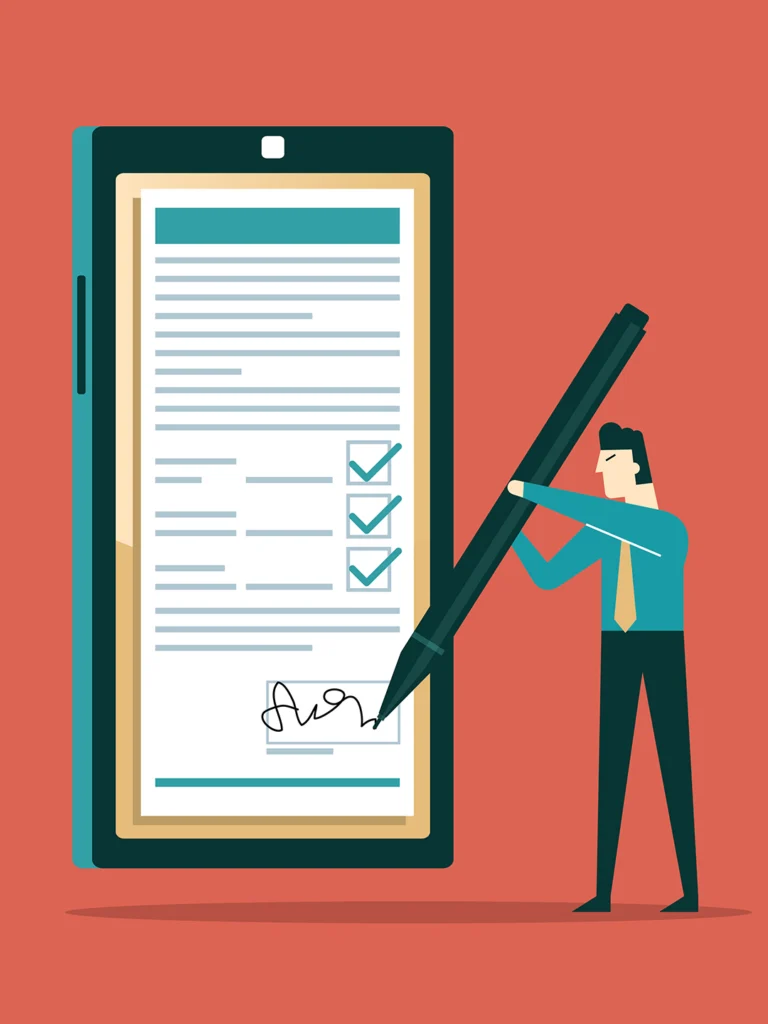
Course Overview
The Banner That Passes Privacy Review Can Still Void Your Arbitration Clause
Cookie banners are no longer just privacy-consent compliance. A 2025–2026 wave of Ninth Circuit and district court decisions now treats them as contract-formation mechanisms. Those banners bind users to arbitration clauses and class-action waivers. And sign-in wrap enforceability has split the circuits after Chabolla, Godun, and Dhruva.
Get notice or assent wrong and the agreement is void. Specific visual and UX choices voided online agreements in 2025–2026. Emerging unconscionability doctrine now targets mass-arbitration management provisions. Revised AAA and JAMS rules, effective May 2025, reset the forum-selection calculus. And a banner that satisfies California AG privacy-consent guidance can still fail contract-formation doctrine.
Attendees walk out with working tools: the two-part conspicuous-notice/unambiguous-assent test, a case-law-derived drafting checklist for banners intended to compel arbitration, the eight-point consent-flow audit, and clause architecture for remediating deficient arbitration terms and selecting the right forum.
Key Topics
- Banners as Contracts How the cookie banner functions as a contract-formation mechanism binding users to arbitration clauses and class-action waivers.
- Two-Part Enforceability Test How the conspicuous-notice/unambiguous-assent test decides whether a banner binds, and where the Ninth and Fourth Circuit standards diverge.
- Sign-In Wrap Split How Chabolla, Godun, and Dhruva reset sign-in wrap enforceability, and which circuit’s standard applies to your client’s site.
- Visual and UX Standards Which specific design elements caused courts to void online agreements in 2025–2026, and what survives scrutiny.
- Dual-Use Banner Drafting How to draft one banner that satisfies both California AG privacy-consent guidance and contractformation doctrine while avoiding common traps.
- Audit, Remediate, Select How to run the eight-point consent-flow audit, rework bellwether provisions and deficient clauses, and select a forum under the revised AAA and JAMS mass-arbitration rules.
Speakers
Joshua M. Stein
Boies Schiller Flexner LLP
Joshua M. Stein is a partner in the San Francisco office of Boies Schiller Flexner LLP, where he first-chairs technology and platform litigation. His practice spans artificial intelligence, copyright, trademarks and trade secrets, commercial disputes, appellate matters, crisis management, and international arbitration. He is a member of the firm’s teams litigating the AI copyright cases against Meta and OpenAI, has led litigation against Meta over Instagram addiction, and serves as hiring partner for the San Francisco office.
Full profile
Experience
Joshua’s representative matters include the AI copyright actions against Meta and OpenAI; litigation against Meta concerning Instagram addiction; a copyright defense victory for Warner Bros. in the California Court of Appeal concerning the film The Judge; the defense of Giphy in an intellectual property dispute; offensive discovery in the Waymo v. Uber trade secrets case; preparation for oral argument before the U.S. Supreme Court in Fourth Estate Public Benefit Corp. v. Wall-Street.com; defense preparation in a New York Martin Act suit; and Ninth Circuit post-arbitration litigation, a Bivens claim, and a discrimination suit against a university system. In-house, he served as litigation counsel at Twitter, where he oversaw the company’s successful certiorari petition in Taamneh v. Twitter before the U.S. Supreme Court, and as Director of Litigation and Operations at Clipboard Health, where he managed class actions, investigations, and crisis response.Education
Joshua earned his J.D., cum laude, from Yale Law School, where he served as Articles Editor of the Yale Journal of Law and the Humanities and as Faculty Diversity Co-Chair of the Latino Law Students Association. He holds a Ph.D. in U.S. History from the University of California, Los Angeles, and a B.A., cum laude, in History and English from Yale University. He is admitted to practice in California and clerked for the Hon. Ferdinand F. Fernandez of the U.S. Court of Appeals for the Ninth Circuit.Recognition
Joshua has been named among the Lawdragon 500 Leading Plaintiff Financial Lawyers. He serves as hiring partner for Boies Schiller Flexner’s San Francisco office, where he recruits and mentors the firm’s litigation talent, and he was recently appointed by the U.S. Court of Appeals for the Ninth Circuit to represent an immigration client on appeal.Professional involvement
Joshua is a member of the Hispanic National Bar Association. A dual citizen of the United States and Ecuador who is fluent in Spanish, he handles cross-border matters and appears in international forums, including service on the team litigating a landmark case against FIFA before a human rights tribunal on behalf of women footballers seeking equal treatment, and work on a crisis team addressing a diplomatic dispute between sovereigns. Before entering practice, he taught U.S. history at Yale, UCLA, CUNY, and The New School, and his published work on legal history, criminal justice, and constitutional law has been frequently cited.Agenda
-
Drafting the Cookie Banner That Forms a Binding Contract
This session examines how cookie banners are being deployed as contract-formation mechanisms that bind users to arbitration clauses and class-action waivers, drawing on the 2025–2026 wave of Ninth Circuit and district court decisions. Attorneys will learn the two-part conspicuous-notice/unambiguous-assent test, the specific visual and UX design elements courts have accepted or rejected, and the dual-use tension between privacy-consent compliance and enforceable contract formation. By the end of this session, attendees will be able to evaluate an existing cookie banner for enforceability risk and apply a case-law-derived drafting checklist to banners intended to compel arbitration.
Joshua M. Stein
-
Auditing Consent Flows and Rethinking the Consumer Arbitration Clause
This session equips attorneys to conduct a structured audit of existing consent flows and arbitration clauses considering the 2024–2025 circuit split on sign-in wrap enforceability, emerging unconscionability doctrine targeting mass-arbitration management provisions, and revised AAA and JAMS procedural rules effective May 2025. Attorneys will learn a concrete checklist for evaluating visual conspicuousness, assent mechanisms, and arbitration clause architecture across jurisdictions. By the end of the session, attendees will be able to identify high-risk consent-flow elements, remediate deficient arbitration clauses, and select an arbitration forum with full awareness of the cost and procedural consequences of that choice.
Joshua M. Stein
MCLE Credits
-
Alabama
Approved for Self-Study Credits
2 General
-
Alaska
Approved for CLE Credits
2 General
Our programs are CLE-eligible through Alaska’s recognition of multi-jurisdictional reciprocity.
-
Arizona
Approved for CLE Credits
2 General
-
Arkansas
Approved for CLE Credits
2 General
-
California
Approved for CLE Credits
2 General
-
Colorado
Pending CLE Approval
2 General
-
Connecticut
Approved for CLE Credits
2 General
-
Delaware
Pending CLE Approval
2 General
-
District of Columbia
No MCLE Required
2 CLE Hour(s)
-
Florida
Pending CLE Approval
2 General Hours
Receive CLE credit in Florida via attorney submission.
-
Georgia
Approved for CLE Credits
2 General
-
Hawaii
Approved for CLE Credits
2 General
-
Idaho
Pending CLE Approval
2 General
-
Illinois
Approved for Self-Study Credits
2 General
-
Indiana
Pending CLE Approval
2 General
-
Iowa
Pending CLE Approval
2 General
-
Kansas
Pending CLE Approval
2 Substantive
-
Kentucky
Pending CLE Approval
2 General
-
Louisiana
Pending CLE Approval
2 General
-
Maine
Pending CLE Approval
2 General
-
Maryland
No MCLE Required
2 CLE Hour(s)
-
Massachusetts
No MCLE Required
2 CLE Hour(s)
-
Michigan
No MCLE Required
2 CLE Hour(s)
-
Minnesota
Pending CLE Approval
2 General
-
Mississippi
Pending CLE Approval
2 General
-
Missouri
Approved for Self-Study Credits
2.4 General
-
Montana
Pending CLE Approval
2 General
-
Nebraska
Pending CLE Approval
2 General
myLawCLE reports attendance to Nebraska on each attorney’s behalf for all programs. Please do not self-report.
-
Nevada
Pending CLE Approval
2 General
-
New Hampshire
Approved for CLE Credits
120 General minutes
As of July 1, 2014, the NHMCLE Board no longer provides pre- or post-approval of courses. Attendees must self-determine whether a program is eligible for credit, and self-report their attendance online at www.nhbar.org, based on qualification provisions of Rule 53.
-
New Jersey
Approved for CLE Credits
2 General
Our programs are CLE-eligible through New Jersey’s recognition of multi-jurisdictional reciprocity, except for the courses required under BCLE Reg. 201:2
-
New Mexico
Approved for Self-Study Credits
2 General
-
New York
Approved for CLE Credits
2 General
Our programs are CLE-eligible through New York’s Approved Jurisdiction Group “B”.
-
North Carolina
Pending CLE Approval
2 General
-
North Dakota
Approved for CLE Credits
2 General
Our programs are CLE-eligible through North Dakota’s recognition of multi-jurisdictional reciprocity. Section 1, Policy 1.14
-
Ohio
Approved for CLE Credits
2 General
-
Oklahoma
Pending CLE Approval
2.5 General
-
Oregon
Pending CLE Approval
2 General
-
Pennsylvania
Approved for Self-Study Credits
2 General
-
Rhode Island
Pending CLE Approval
2.5 General
-
South Carolina
Pending CLE Approval
2 General
-
South Dakota
No MCLE Required
2 CLE Hour(s)
-
Tennessee
Approved for Self-Study Credits
2 General
-
Texas
Approved for CLE Credits
2 General
-
Utah
Pending CLE Approval
2 General
-
Vermont
Approved for CLE Credits
2 General
-
Virginia
Not Eligible
2 General Hours
-
Washington
Approved via Attorney Submission
2 Law & Legal Hours
Receive CLE credit in Washington via attorney submission.
-
West Virginia
Pending CLE Approval
2.4 General
-
Wisconsin
Approved for Self-Study Credits
2 General
-
Wyoming
Pending CLE Approval
2 General
No state matches.