
Live Video-Broadcast · January 19, 2027
Your Data, Their AI: The New Rules of AI Data Contracting and Implementation
Your vendors’ contracts may already let them train AI models on your data. Learn to spot non-PII and aggregated-data carve-outs, score data rights in vendor selection, allocate rights by data category, and protect privilege when using AI tools.
12 - 2:10 PM EST 11 AM - 1:10 PM CST 10 AM - 12:10 PM MST 9 - 11:10 AM PST



 Kenneth K. Dort Faegre Drinker Biddle & Reath LLPGary S. Weinstein Faegre Drinker Biddle & Reath LLPHudson W. Peters Faegre Drinker Biddle & Reath LLPOwyn J. Ferguson Faegre Drinker Biddle & Reath LLP
About this program
Course Overview
Your Company Protected Its PII and May Have Given Away Everything Else
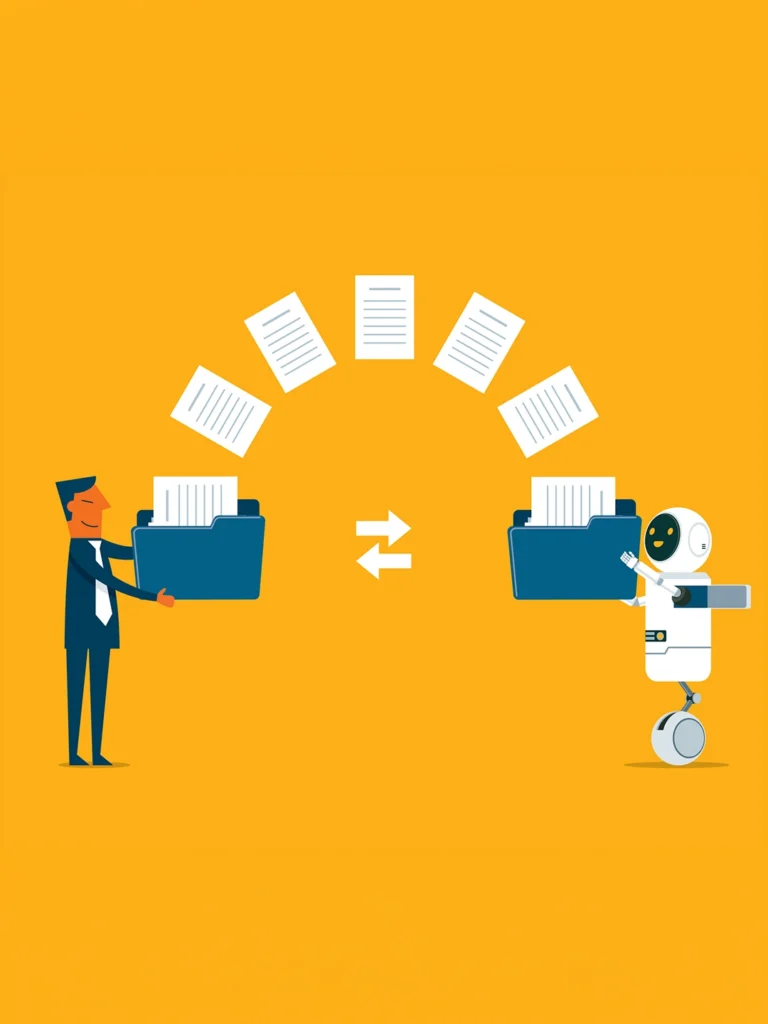
Your company likely fought hard to protect personally identifiable information (PII). Many vendor contracts still grant broad rights to everything else, including non-PII data and aggregated or de-identified data derived from PII. Cloud-based solutions mean your vendors now hold copies of all your data. AI offerings have added a new way to exploit it through AI model training.
Accept a broad non-PII carve-out, and your vendor may use your data to compete against you. Accept loose aggregated-data rights, and your competitors may benefit too. Wait until negotiation to raise data rights, and they are usually lost. License an AI solution without clear input and output terms, and new cybersecurity and personal data processing risks follow. Use AI tools carelessly on client matters, and attorney-client privilege and work product protection may be at risk.
A sample data rights allocation table covers customer data, third-party data, and system data, with drafting techniques for each. You will learn to score data rights in vendor selection, spot the carve-outs that give away strategic value, and protect privilege when using AI tools. Attendees also receive an AI contracting checklist and a quick-reference guide to key regulatory and judicial developments.
Key Topics
- Hidden Data Carve-Outs Spot non-PII and aggregated-data terms that let vendors compete using your data.
- Leverage at the RFP Make data rights a scored vendor-selection metric before contract negotiation begins.
- Rights by Data Category Allocate use and disclosure rights across customer data, third-party data, and system data.
- Core AI Deal Terms Negotiate data use, output rights, and platform licensing terms using an AI contracting checklist.
- Shifting Legal Landscape Fit AI terms to cybersecurity, personal data processing, and federal, state, and court developments.
- Privilege and AI Tools Protect attorney-client privilege and work product when you and clients use AI tools.
Speakers
Kenneth K. Dort
Faegre Drinker Biddle & Reath LLP
Kenneth Dort is a preeminent resource on mission-critical data security issues, consulted for immediate counsel on high-stakes data breaches and guidance on privacy and legal implications of new technologies.
Full profile
Experience
Over 30-year career focused on law and regulation framing development of new technology. Engaged by some of the world's largest companies to stem and mitigate major data breaches involving credit card information and employee, customer and patient data. Creates and improves data security and privacy protocols for highly sensitive information, devices and mobile applications. Powerful litigator, deft negotiator with regulators, and valued counselor on software development and integration. Continually monitors regulatory landscape of artificial intelligence.Recognition
Recognized adviser to clients around the world on data security and privacy practices. Gary S. Weinstein
Faegre Drinker Biddle & Reath LLP
Gary Weinstein is a partner in the Minneapolis office of Faegre Drinker Biddle & Reath LLP who, over the past dozen years, has advised clients on protecting the value of their Big Data for artificial intelligence and machine learning applications. He helps clients protect and monetize large data sets, negotiate deals that enable data sharing and processing, and work through the fast-changing laws, regulations, industry practices, and technology standards that govern client data and the use of AI and machine learning. That work rests on decades of negotiating technology and licensing agreements across many industries.
Full profile
Experience
Gary also handles the information technology and IP aspects of domestic and international M&A and investment deals, including transactions touching Europe, Brazil, Canada, China, India, Israel, Japan, and Australia. Representative matters include Canvas Technology’s acquisition by Amazon, Avaya Holdings Corp.’s acquisition of Spoken Communications to expand its cloud and AI capabilities, and FICO’s acquisition of InfoCentricity, Inc. When licenses, service agreements, and other contracts are central to an IP dispute, the firm’s litigators rely on him to analyze the underlying agreements, and he leads the drafting and negotiation of settlement agreements and provides technical support in patent litigation involving software and internet technologies.Education
Gary received his J.D. from New York University School of Law in 1993, where he was a member of the Law Review, and his B.A. magna cum laude from the University of Pennsylvania in 1989. He is admitted to practice in Minnesota, before the U.S. Patent and Trademark Office, and in the U.S. District Court for the District of Minnesota. Before law school, he worked as a software engineer and consultant in applied mathematics and systems analysis at Systems Research & Applications Corporation (now SRA International, Inc.), experience that lets him bridge business teams, technical teams, and the law.Recognition
Gary is recognized as a Legal Expert in the Guide to the World’s Leading Technology, Media & Telecommunications Lawyers (3rd edition), and Corporate Report named him an Executive Who’s A Standout Before Age 40. He has been named to the Faegre Drinker Pro Bono Honor Roll (2020, 2023) and the Faegre Baker Daniels Pro Bono Honor Roll (2015-16, 2018). He served on the board of directors of Twin Cities R!SE from 2017 to 2023, including several terms as chair of its governance committee and as secretary, and has since returned to providing the organization with pro bono legal work.Professional involvement
Gary structures, drafts, negotiates, and reviews technology and intellectual property agreements for licensors and licensees, including joint development, technology transfer, outsourcing, strategic alliance, and joint venture agreements, and he often serves as lead negotiator on complex patent, technology, trademark, and outsourcing deals. He has negotiated for, and against, some of the world’s largest companies, including numerous Fortune 100 and 500 technology, financial services, pharmaceutical, and food and beverage companies, as well as stock exchanges and multiple R1-ranked research universities. His sector depth includes MedTech, pharma, biotech, other life sciences, and FinTech. Hudson W. Peters
Faegre Drinker Biddle & Reath LLP
Hudson Peters is an associate in the Minneapolis office of Faegre Drinker Biddle & Reath LLP who helps clients lay the contractual groundwork for digital transformations accelerated by AI and Big Data. He has led negotiations and supported fellow team members on data licensing arrangements, software licensing and software as a service (SaaS) agreements, service and support agreements, and complex outsourcing transactions for businesses of all sizes.
Full profile
Experience
Hudson works with clients across the life sciences, pharmaceutical, food and agriculture, information technology, and logistics spaces. Beyond technology and data transactions, he helps clients develop and license their intellectual property portfolios, drafting joint development and licensing agreements and commercial contracts for the manufacture and sale of proprietary products. In M&A transactions, he conducts due diligence of buyer and seller intellectual property portfolios and agreements and negotiates transaction-related agreements. During law school, he served as a judicial extern for the Honorable David Stras of the Eighth Circuit Court of Appeals and the Honorable Susan R. Nelson of the U.S. District Court for the District of Minnesota, and he was a summer associate at the firm before joining full time.Education
Hudson earned his J.D. summa cum laude from the University of Minnesota Law School in 2020, and his B.A. in Political Science cum laude from Vanderbilt University in 2017. He is admitted to practice in Minnesota and speaks Italian.Recognition
Hudson served as Lead Managing Editor of the Minnesota Law Review and has been named to the Faegre Drinker Pro Bono Honor Roll for 2023 through 2025.Professional involvement
Hudson’s insights include “How Companies Can Use Big Data As A Strategic Asset” (Law360, April 2024). His pro bono work includes membership on the Faegre Drinker Afghan Crises Response Team, which helps Afghan nationals evacuated in 2021 obtain asylum and lawful permanent residence in the United States, as well as assisting Minnesota nonprofit organizations with intellectual property licensing matters and providing small-business advice to low-income and historically underrepresented communities. Owyn J. Ferguson
Faegre Drinker Biddle & Reath LLP
Owyn Ferguson is an associate in the Minneapolis office of Faegre Drinker Biddle & Reath LLP who structures, drafts, negotiates, and reviews commercial agreements centered on intellectual property and technology, including contracts involving artificial intelligence and data use. He regularly advises on software licenses, terms of use, patent and trademark licenses, and supply and collaboration agreements, supporting both licensors and licensees in securing and leveraging IP assets within complex commercial relationships.
Full profile
Experience
Owyn has particular depth in health care IT, including large-scale electronic health record (EHR) licensing and hosting transactions. He leads intellectual property and technology legal due diligence for mergers, acquisitions, and other strategic transactions and drafts and negotiates the IP and technology aspects of the related agreements. Before joining the firm, he managed a student program at the University of Notre Dame’s entrepreneurship and technology commercialization center, interned at the law school’s IP clinic, and advised a FinTech company on fundraising and AI integration through a consultancy. Before law school, he started a company that launched a successful Kickstarter campaign.Education
Owyn earned his J.D. from Notre Dame Law School in 2024 and, the same year, an M.S. in Engineering, Science, and Technology Entrepreneurship from the University of Notre Dame. He received his B.A. in Economics from Saint John’s University in 2020. He is admitted to practice in Minnesota.Recognition
Owyn received Notre Dame Law School’s William T. Kirby Award for Excellence in Brief Writing in 2024 and was named to the Faegre Drinker Pro Bono Honor Roll in 2025. Since 2021, he has served as a volunteer and mentor with the Donald McNeely Center for Entrepreneurship.Professional involvement
Owyn co-authored “9 Considerations for Orgs Using AI Meeting Assistants” for Law360 (March 12, 2025). His firm insights include the Artificial Intelligence Briefings “Frontier AI Models, Cybersecurity, and Reactions from the Trump Administration, States, and the Vatican” (June 2026) and “Data Security Program, Medicare Advantage, Colorado Insurance Requirements & More” (April 2025), as well as “Permission to Record: Considerations for AI Meeting Assistants” (February 2025).Agenda
-
Who’s Minding the Factory? Allocating Data Rights in IT and AI Contracts—From RFP to Signature
In its IT contracts, your company fought hard for strong privacy and security protections, particularly for personally identifiable information (PII). Then it may have given away the farm. Many vendor contracts grant broad rights to use everything else: non-PII data, plus aggregated and de-identified data derived from PII. The result? Your vendors may be using your own data to compete against you, and to help your competitors do the same. Cloud-based solutions have only raised the stakes because your vendors now hold copies of all your data, and AI offerings have introduced a whole new method of data exploitation: AI model training. This session explains how that happens and how to stop it. We will show why customer data rights are usually lost long before the contract is negotiated, and share steps for winning them back, starting at the RFP stage. We will then walk through a sample data rights allocation table covering customer data, third-party data, and system data. For each type of data, we will share techniques to help you allocate rights and draft contract provisions that spell out what each party may and may not do with it. Attendees will be able to spot the non-PII and aggregated-data carve-outs that quietly give away strategic value, and explain the risk to clients and internal teams; make data rights a scored metric in vendor selection, when you still have leverage; allocate use and disclosure rights by data category, and stop arguing about who “owns” the data.
Gary S. Weinstein, Hudson W. Peters
-
Contracting for AI in a Shifting Legal Landscape: Key Deal Terms and Regulatory, Judicial, and Privilege Developments
Everyone is racing to license and deploy AI, but the contracts—and the law—are struggling to keep up. Building on Session 1, this session first tackles what to ask for when acquiring or licensing AI solutions: rights to use the data that goes in, rights in the outputs that come out, platform licensing terms, and how to structure those terms to conform/address the new cybersecurity and compliance risks that AI creates, particularly within the context of personal data processing. We will then map these issues onto the fastmoving legal landscape of federal regulation, the growing patchwork of state laws and regulations, and the expanding body of court decisions shaping how AI may be built and used. Finally, we will take on a question every lawyer should be asking: can using AI tools put attorney-client privilege and work product protection at risk? Attendees will be able to identify the AI contract terms that matter most, including data use, output rights, and how those elements must be configured to comply with the ever-evolving considerations of cybersecurity and personal data processing; stay ahead of the federal, state, and judicial developments most likely to affect their clients’ AI use and AI contracts; protect privilege when they and their clients use AI tools.
Kenneth K. Dort, Owyn J. Ferguson
MCLE Credits
-
Alabama
Approved for CLE Credits
2 General
-
Alaska
Approved for CLE Credits
2 General
Our programs are CLE-eligible through Alaska’s recognition of multi-jurisdictional reciprocity.
-
Arizona
Approved for CLE Credits
2 General
-
Arkansas
Approved for CLE Credits
2 General
-
California
Approved for CLE Credits
2 General
-
Colorado
Pending CLE Approval
2 General
-
Connecticut
Approved for CLE Credits
2 General
-
Delaware
Pending CLE Approval
2 General
-
District of Columbia
No MCLE Required
2 CLE Hour(s)
-
Florida
Pending CLE Approval
2 General
-
Georgia
Approved for CLE Credits
2 General
-
Hawaii
Approved for CLE Credits
2 General
-
Idaho
Pending CLE Approval
2 General
-
Illinois
Approved for CLE Credits
2 General
-
Indiana
Approved for CLE Credits
2 General
-
Iowa
Pending CLE Approval
2 General
-
Kansas
Pending CLE Approval
2 Substantive
-
Kentucky
Pending CLE Approval
2 General
-
Louisiana
Pending CLE Approval
2 General
-
Maine
Pending CLE Approval
2 General
-
Maryland
No MCLE Required
2 CLE Hour(s)
-
Massachusetts
No MCLE Required
2 CLE Hour(s)
-
Michigan
No MCLE Required
2 CLE Hour(s)
-
Minnesota
Pending CLE Approval
2 General
-
Mississippi
Pending CLE Approval
2 General
-
Missouri
Approved for CLE Credits
2.4 General
-
Montana
Pending CLE Approval
2 General
-
Nebraska
Pending CLE Approval
2 General
myLawCLE reports attendance to Nebraska on each attorney’s behalf for all programs. Please do not self-report.
-
Nevada
Approved for CLE Credits
2 General
-
New Hampshire
Approved for CLE Credits
120 General minutes
As of July 1, 2014, the NHMCLE Board no longer provides pre- or post-approval of courses. Attendees must self-determine whether a program is eligible for credit, and self-report their attendance online at www.nhbar.org, based on qualification provisions of Rule 53.
-
New Jersey
Approved for CLE Credits
2 General
Our programs are CLE-eligible through New Jersey’s recognition of multi-jurisdictional reciprocity, except for the courses required under BCLE Reg. 201:2
-
New Mexico
Approved for CLE Credits
2 General
-
New York
Approved for CLE Credits
2 General
Our programs are CLE-eligible through New York’s Approved Jurisdiction Group “B”.
-
North Carolina
Pending CLE Approval
2 General
-
North Dakota
Approved for CLE Credits
2 General
Our programs are CLE-eligible through North Dakota’s recognition of multi-jurisdictional reciprocity. Section 1, Policy 1.14
-
Ohio
Pending CLE Approval
2 General
-
Oklahoma
Pending CLE Approval
2.5 General
-
Oregon
Pending CLE Approval
2 General
-
Pennsylvania
Approved for CLE Credits
2 General
-
Rhode Island
Pending CLE Approval
2.5 General
-
South Carolina
Pending CLE Approval
2 General
-
South Dakota
No MCLE Required
2 CLE Hour(s)
-
Tennessee
Approved for CLE Credits
2 General
-
Texas
Approved for CLE Credits
2 General
-
Utah
Pending CLE Approval
2 General
-
Vermont
Approved for CLE Credits
2 General
-
Virginia
Not Eligible
2 General Hours
-
Washington
Approved via Attorney Submission
2 Law & Legal Hours
Receive CLE credit in Washington via attorney submission.
-
West Virginia
Pending CLE Approval
2.4 General
-
Wisconsin
Pending CLE Approval
2 General
-
Wyoming
Pending CLE Approval
2 General
No state matches.