Register for Annual Pass, Live Webinar, or On-Demand Video

All-Access Pass

Gain access to all of myLawCLE's 1,000+ Live webinars for only $395/yr. Includes this program and over 60 new webinars each month.

Subscribe to All-Access Pass – $395

Live Video Broadcast

Register for the Live Video Broadcast webinar of this one program.

Register for Live – $195.00

On-Demand Video

Receive access to recorded class and earn self-study credit. Recording is made available 5 business days after live broadcast.

Register for Recorded – $195.00

2026-07-10 13:00:00

2 Credits

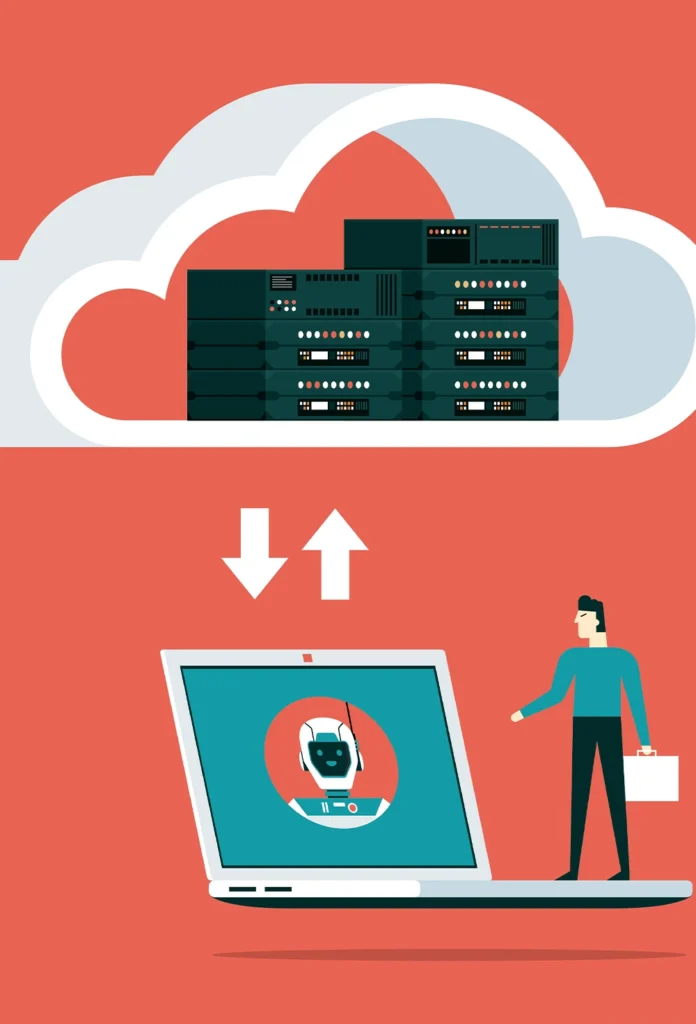
AI copyright lawsuits have stopped being hypothetical. Learn exactly where infringement can occur as an AI system is built and as it runs, which fair use defenses are actually holding up in court, and how the first wave of rulings changes the advice you give clients.

2026-07-10 13:00:00

2 hours

AI copyright lawsuits have stopped being hypothetical. Learn exactly where infringement can occur as an AI system is built and as it runs, which fair use defenses are actually holding up in court, and how the first wave of rulings changes the advice you give clients.

2026-07-10 13:00:00

2 hours

1000+

Live stream programs

24/7

Access to live webinars & recordings

70,000+

Trusted by Legal Professionals

1000+

Live stream programs

24/7

Access to live webinars & recordings

70,000+

Trusted by Legal Professionals

1000+

Live stream programs

24/7

Access to live webinars & recordings

70,000+

Trusted by Legal Professionals

1000+

Live stream programs

24/7

Access to live webinars & recordings

70,000+

Trusted by Legal Professionals

Course Overview

A Chatbot Quoted the Article Verbatim, and Now You're the Defendant

Most of the legal risk in AI isn’t about how a system was built. It’s about what the system does once it’s running. When an AI tool spits back a paywalled article, generates an image that looks just like a copyrighted one, or pulls live text into its answer, that copying happens after the model is trained — and that’s exactly where the law is least settled. The first real decisions have now landed. Across 2025 and 2026, courts have treated AI training differently depending on whether the underlying works were lawfully bought or pirated, allowed claims that image generators encouraged infringement, and let the New York Times move its case against OpenAI forward. If you advise anyone who builds an AI product, a business that has rolled out an AI tool, or a creator whose work keeps resurfacing in AI outputs, your client may already be exposed — usually under contracts and risk assumptions written before any of these rulings existed. This session walks through where copying can happen at each stage, then turns to the two questions that decide most output cases: does the result look too much like the original, and does it compete with the original in the market? From there it covers the specialized rules these fights run on — the DMCA claims for stripped or altered copyright-owner information, the safe harbor that can shield platforms, the discovery battles over retrieval logs and prompt histories, and the standard for getting (or keeping out) expert testimony. You’ll leave able to locate liability step by step and handle the technical evidence questions with confidence.

Key topics that will be covered

What will you learn

Attorneys will learn how Bartz v. Anthropic, Kadrey v. Meta, Andersen v. Stability AI, and the Supreme Court's Cox Communications decision interact to define current contributory and direct liability.

What will you gain

Attendees will leave able to identify discrete infringement events at each pipeline stage, evaluate fair use arguments for training versus acquisition versus outputs, and tackle discovery issues.

Terminology
Core generative AI terms: models, training, fine-tuning, inference, retrieval-augmented generation, and outputs.
Post-training risks
Copyright risks that arise after training.
Runtime retrieval
Distinct copyright questions raised by retrieval during inference, including potential copying and defenses.
Output theories
Output-based infringement theories: substantial similarity, regurgitation, derivative-work arguments, fair use, and market substitution.
CMI claims
Copyright management information and DMCA § 1202 claims in generative AI systems.
Emerging litigation
Post-training litigation: Getty, Disney v. Midjourney, and NYT v. Microsoft and OpenAI.

What will you learn

Attorneys will learn how Bartz v. Anthropic, Kadrey v. Meta, Andersen v. Stability AI, and the Supreme Court's Cox Communications decision interact to define current contributory and direct liability.

What will you gain

Attendees will leave able to identify discrete infringement events at each pipeline stage, evaluate fair use arguments for training versus acquisition versus outputs, and tackle discovery issues.

Agenda

SESSION 1

AI Training & Copyright: Direct and Contributory Liability

SESSION 2

Copyright Risks After AI Training: RAG and Outputs

clock 1:00 pm - 2:00 pm EST

AI Training & Copyright: Direct and Contributory Liability

Miranda Means

Kirkland & Ellis LLP

This session traces the LLM training pipeline—from shadow-library acquisition through tokenization, pretraining, fine-tuning, and RLHF—mapping each stage to discrete copyright exposure under §§ 106(1) and 106(3) and analyzing Bartz, Kadrey, Andersen, and the Supreme Court’s Cox decision.

Miranda Means

Kirkland & Ellis LLP

clock 2:10 pm - 3:10 pm EST

Copyright Risks After AI Training: RAG and Outputs

Zahr K. Said

Santa Clara University

Shifting past training, this session examines copyright risks in runtime retrieval and output generation—substantial similarity, RAG architectures, DMCA § 1202 CMI claims, the § 512 safe harbor, and litigation including Getty, Disney v. Midjourney, and NYT v. OpenAI.
Zahr K. Said

Santa Clara University

01 02
Prev
Next

speakers

Joe Ervin

The Law Firm for Truck Safety, LLP
A Partner at The Law Firm for Truck Safety. He focuses exclusively on cases involving commercial motor vehicle crashes and wrongful death. Joe also holds a valid class “A” commercial driver’s license with endorsements for double/triple trailers and tankers.

Education & Credentials

A 2013 graduate of the Gerry Spence Trial Lawyers College in Dubois, Wyoming, Joe is rated AV Preeminent™ by Martindale-Hubbell — the highest peer rating for exceptional legal ability and ethics. He is among the first nine attorneys nationwide to earn board certification in Truck Accident Law from the National Board of Trial Advocacy.

Recognition & Leadership

Joe received the Roadway Safety Award from the American Association for Justice (AAJ) for his commitment to improving highway safety.
 He currently serves as Co-Chair of the Academy of Truck Accident Attorneys (ATAA) Safety Committee, advocating for higher safety standards across the trucking industry.

Professional Involvement

Joe serves on the faculty of the AAJ Advanced Trial Advocacy College: Litigating Truck Collision Cases (2015 & 2024).
 He is an active member of AAJ’s Trucking Litigation Group and sits on the Board of Regents for the Academy of Truck Accident Attorneys.

Experience

Joe frequently consults and co-counsels on complex commercial truck cases. His proven track record includes numerous successful trials against motor carriers and truck leasing companies — delivering justice for victims of commercial vehicle accidents.

Kevin Foley

Reminger Co
A Partner at The Law Firm for Truck Safety. He focuses exclusively on cases involving commercial motor vehicle crashes and wrongful death. Joe also holds a valid class “A” commercial driver’s license with endorsements for double/triple trailers and tankers.

Education & Credentials

A 2013 graduate of the Gerry Spence Trial Lawyers College in Dubois, Wyoming, Joe is rated AV Preeminent™ by Martindale-Hubbell — the highest peer rating for exceptional legal ability and ethics. He is among the first nine attorneys nationwide to earn board certification in Truck Accident Law from the National Board of Trial Advocacy.

Recognition & Leadership

Joe received the Roadway Safety Award from the American Association for Justice (AAJ) for his commitment to improving highway safety.
 He currently serves as Co-Chair of the Academy of Truck Accident Attorneys (ATAA) Safety Committee, advocating for higher safety standards across the trucking industry.

Professional Involvement

Joe serves on the faculty of the AAJ Advanced Trial Advocacy College: Litigating Truck Collision Cases (2015 & 2024).
 He is an active member of AAJ’s Trucking Litigation Group and sits on the Board of Regents for the Academy of Truck Accident Attorneys.

Experience

Joe frequently consults and co-counsels on complex commercial truck cases. His proven track record includes numerous successful trials against motor carriers and truck leasing companies — delivering justice for victims of commercial vehicle accidents.

Grant H. Lawson

The Law Firm for Truck Safety, LLP
A Partner at The Law Firm for Truck Safety. He focuses exclusively on cases involving commercial motor vehicle crashes and wrongful death. Joe also holds a valid class “A” commercial driver’s license with endorsements for double/triple trailers and tankers.

Education & Credentials

A 2013 graduate of the Gerry Spence Trial Lawyers College in Dubois, Wyoming, Joe is rated AV Preeminent™ by Martindale-Hubbell — the highest peer rating for exceptional legal ability and ethics. He is among the first nine attorneys nationwide to earn board certification in Truck Accident Law from the National Board of Trial Advocacy.

Recognition & Leadership

Joe received the Roadway Safety Award from the American Association for Justice (AAJ) for his commitment to improving highway safety.
 He currently serves as Co-Chair of the Academy of Truck Accident Attorneys (ATAA) Safety Committee, advocating for higher safety standards across the trucking industry.

Professional Involvement

Joe serves on the faculty of the AAJ Advanced Trial Advocacy College: Litigating Truck Collision Cases (2015 & 2024).
 He is an active member of AAJ’s Trucking Litigation Group and sits on the Board of Regents for the Academy of Truck Accident Attorneys.

Experience

Joe frequently consults and co-counsels on complex commercial truck cases. His proven track record includes numerous successful trials against motor carriers and truck leasing companies — delivering justice for victims of commercial vehicle accidents.

Miranda Means

Kirkland & Ellis LLP

Zahr K. Said

Santa Clara University

Miranda Means

Kirkland & Ellis LLP

Miranda Means is a partner in the Boston office of Kirkland & Ellis LLP, where her practice spans litigation and counseling across copyright, trade secret, trademark, right of publicity, art, internet, and advertising law. She represents clients in disputes touching a remarkable breadth of media—social media, video games, fine art, sports, music, and film—and the technologies reshaping them, from artificial intelligence and computer software to consumer electronics. Miranda is perhaps best known for her role in the first AI copyright fair use case in U.S. legal history, work for which American Lawyer named her a “Litigator of the Week.” She pairs a sharp litigation record with a deep commitment to inclusivity and pro bono service, including matters advancing LGBTQ+ rights.

Education & Credentials

Miranda earned her J.D. magna cum laude from Harvard Law School in 2017, where she was a Dean's Scholar in Copyright; Music and Digital Media; Legal Writing and Research; and the Fashion Law Lab. She served as Articles Editor and on the Submissions Committee of the Harvard Journal of Sports and Entertainment Law, was a Teaching Fellow for Professor William Fisher's CopyrightX, and worked as a student attorney with both the Prison Legal Assistance Project and the Cyberlaw Clinic at the Berkman Center for Internet & Society. She received her B.A. in English Language and Literature with Honors from the University of Chicago in 2014, where she was elected to Phi Beta Kappa and named to the Dean's List every quarter. She is admitted to practice in Massachusetts (2020) and New York (2018) and before the U.S. Courts of Appeals for the Second, Third, Sixth, and Eleventh Circuits, as well as the U.S. District Courts for the District of Massachusetts and the Southern District of New York.

Recognition & Leadership

Miranda was recognized by American Lawyer as a "Litigator of the Week" for her work on Thomson Reuters v. ROSS Intelligence, the first decision in U.S. legal history addressing the use of copyrighted material to train an AI model. She was named a Super Lawyers "Rising Star" each year from 2020 through 2024. Within the American Bar Association's Section of Intellectual Property, she served as Vice Chair of the Visual Arts and Dramatic Works Committee from 2023 to 2024.

Professional Involvement

Miranda is an active member of the American Bar Association Section of Intellectual Property and the International Trademark Association (INTA), where she served on the Internet Committee's Internal Communications and Research Subcommittee. She is a frequent speaker on intellectual property and emerging technology, with recent engagements including a panel on "Lawyering and AI" at Columbia Law School, an IP Law Update panel at Lavender Law's IP Law Institute, and guest lectures on tattoo copyright and video game IP at New England Law, Harvard Law School, and UCLA Law. Her published work includes articles in the New York Law Journal and the ABA's Landslide. She is also dedicated to pro bono work, including matters protecting LGBTQ+ rights.

Experience

Miranda has built a litigation record across many of the most closely watched IP disputes at the intersection of media and technology. She won summary judgment for Thomson Reuters and West Publishing in Thomson Reuters v. ROSS Intelligence, the landmark ruling holding that copying copyrighted material to train a competing AI model was not fair use. She secured a complete victory for Astronics Test Systems in a multi-front patent, copyright, and state-law dispute against Teradyne—prevailing on motions to dismiss, invalidating a patent through inter partes review, and winning a fair use ruling later affirmed on appeal. In the video game arena, she won a jury trial for 2K Games in Hayden v. 2K Games concerning the depiction of NBA players' tattoos and successfully defended Take-Two in related tattoo-copyright and trademark matters, including disputes over WWE 2K, Red Dead Redemption 2, and Grand Theft Auto: Vice City. Her broader practice includes defending Facebook in trademark litigation, representing a leading consumer electronics company through a Second Circuit affirmance, and handling trade secret and Computer Fraud and Abuse Act claims for clients such as Apollo Aviation Group and Dow Chemical. On the transactional and counseling side, she represents Vista Equity Partners in worldwide trademark prosecution and enforcement, conducts trademark clearance across industries ranging from pharmaceuticals to professional athletics, and advises clients on artificial intelligence policy and enforcement.

Miranda Means

Kirkland & Ellis LLP

Miranda Means is a partner in the Boston office of Kirkland & Ellis LLP, where her practice spans litigation and counseling across copyright, trade secret, trademark, right of publicity, art, internet, and advertising law. She represents clients in disputes touching a remarkable breadth of media—social media, video games, fine art, sports, music, and film—and the technologies reshaping them, from artificial intelligence and computer software to consumer electronics. Miranda is perhaps best known for her role in the first AI copyright fair use case in U.S. legal history, work for which American Lawyer named her a “Litigator of the Week.” She pairs a sharp litigation record with a deep commitment to inclusivity and pro bono service, including matters advancing LGBTQ+ rights.

Education & Credentials

Miranda earned her J.D. magna cum laude from Harvard Law School in 2017, where she was a Dean's Scholar in Copyright; Music and Digital Media; Legal Writing and Research; and the Fashion Law Lab. She served as Articles Editor and on the Submissions Committee of the Harvard Journal of Sports and Entertainment Law, was a Teaching Fellow for Professor William Fisher's CopyrightX, and worked as a student attorney with both the Prison Legal Assistance Project and the Cyberlaw Clinic at the Berkman Center for Internet & Society. She received her B.A. in English Language and Literature with Honors from the University of Chicago in 2014, where she was elected to Phi Beta Kappa and named to the Dean's List every quarter. She is admitted to practice in Massachusetts (2020) and New York (2018) and before the U.S. Courts of Appeals for the Second, Third, Sixth, and Eleventh Circuits, as well as the U.S. District Courts for the District of Massachusetts and the Southern District of New York.

Recognition & Leadership

Miranda was recognized by American Lawyer as a "Litigator of the Week" for her work on Thomson Reuters v. ROSS Intelligence, the first decision in U.S. legal history addressing the use of copyrighted material to train an AI model. She was named a Super Lawyers "Rising Star" each year from 2020 through 2024. Within the American Bar Association's Section of Intellectual Property, she served as Vice Chair of the Visual Arts and Dramatic Works Committee from 2023 to 2024.

Professional Involvement

Miranda is an active member of the American Bar Association Section of Intellectual Property and the International Trademark Association (INTA), where she served on the Internet Committee's Internal Communications and Research Subcommittee. She is a frequent speaker on intellectual property and emerging technology, with recent engagements including a panel on "Lawyering and AI" at Columbia Law School, an IP Law Update panel at Lavender Law's IP Law Institute, and guest lectures on tattoo copyright and video game IP at New England Law, Harvard Law School, and UCLA Law. Her published work includes articles in the New York Law Journal and the ABA's Landslide. She is also dedicated to pro bono work, including matters protecting LGBTQ+ rights.

Experience

Miranda has built a litigation record across many of the most closely watched IP disputes at the intersection of media and technology. She won summary judgment for Thomson Reuters and West Publishing in Thomson Reuters v. ROSS Intelligence, the landmark ruling holding that copying copyrighted material to train a competing AI model was not fair use. She secured a complete victory for Astronics Test Systems in a multi-front patent, copyright, and state-law dispute against Teradyne—prevailing on motions to dismiss, invalidating a patent through inter partes review, and winning a fair use ruling later affirmed on appeal. In the video game arena, she won a jury trial for 2K Games in Hayden v. 2K Games concerning the depiction of NBA players' tattoos and successfully defended Take-Two in related tattoo-copyright and trademark matters, including disputes over WWE 2K, Red Dead Redemption 2, and Grand Theft Auto: Vice City. Her broader practice includes defending Facebook in trademark litigation, representing a leading consumer electronics company through a Second Circuit affirmance, and handling trade secret and Computer Fraud and Abuse Act claims for clients such as Apollo Aviation Group and Dow Chemical. On the transactional and counseling side, she represents Vista Equity Partners in worldwide trademark prosecution and enforcement, conducts trademark clearance across industries ranging from pharmaceuticals to professional athletics, and advises clients on artificial intelligence policy and enforcement.

Zahr K. Said

Santa Clara University

Zahr K. Said is a Professor of Law at Santa Clara University School of Law, where her scholarship sits at the intersection of copyright, artificial intelligence, and the interpretive questions at the heart of intellectual property disputes. A nationally recognized voice on the role of the jury in IP litigation and on how courts read and construe creative works, Professor Said brings an unusually interdisciplinary lens to legal questions—grounded in advanced training in comparative literature as well as law. She is also a committed teacher and innovator in legal pedagogy, having authored an open-access tort law casebook that reframes the field around questions of race, gender, class, and ability.
Education & Credentials

Professor Said earned her J.D. from Columbia University Law School. She holds a Ph.D. in Comparative Literature from Harvard University and a B.A. in Comparative Literature from the University of California, Berkeley. Her areas of specialization include copyright law, tort law, law and the humanities, and advertising law.

Recognition & Leadership

During her tenure at the University of Washington School of Law, Professor Said received the 2015 Law Faculty Scholarship Award and was named the 2016 Philip A. Trautman 1L Professor of the Year, alongside a grant from the University's Global Innovation Fund. She currently serves on the editorial board of the journal of the Copyright Society of America, reflecting her standing in the copyright field. Her open-access tort law casebook—now in its second edition—has been recognized as a notable contribution to inclusive and accessible legal education.

Professional Involvement

Professor Said is an editorial board member of the Copyright Society of America's journal and a frequent participant in scholarly and professional convenings on copyright and emerging technology, including conferences marking the legacy and future of U.S. copyright law. Through her open-access publishing and her work on AI in legal education, she is actively engaged in broadening access to legal scholarship and shaping conversations about how the profession adapts to new technologies.

Experience

Professor Said joined the Santa Clara Law faculty in 2024, following thirteen years on the faculty of the University of Washington School of Law. She has also taught at the University of Virginia School of Law and Stanford Law School. Her teaching centers on tort law, and her research program spans copyright law, artificial intelligence, remedies, and the interpretive challenges that arise when courts evaluate creative and expressive works—with particular attention to the jury's role in intellectual property litigation. She is currently writing a book on artificial intelligence and legal education, and her published open-access tort casebook reorients the teaching of the subject around race, gender, class, ability, and other sociological dimensions.

Plans

Proven CLE solutions for every legal professional

Access type Individual Purchase Basic Premium Most Popular Corporate CLE Plan
Price
$95 – $245
Price varies based
on the course duration
of 1 to 3+ hours
$395/year
One-time purchase
Custom
based on firm size
Access type Pay per class Unlimited annual access Unlimited access for all firm members
Number of Available Webinars 1 1,000+ 1,000+
Number of New Webinars Added Yearly Limited 500+ 500+
Earn "Live" CLE credit Included Included Included
Ability to Ask Questions During
the Presentation via a Chat Box
Included Included Included
Attend "Live" Re-Broadcasts Included Included Included
Exclusive Partner Webinars & Events Included Included
Special credits (Ethics, Elimination
of Bias, etc.)
Included Included
Instant Certificates After Completion Included Included
Personalized CLE Platform Included Included
Live Conferences Included
Bootcamps Included
Individual Purchase
Basic
Premium
Corporate CLE Plan
$95 – $245
Price varies based
on the course duration
of 1 to 3+ hours
Access type Pay per
class
Number of Available Webinars 1
Number of New Webinars Added Yearly Limited
Earn "Live" CLE credit Included
Ability to Ask Questions During
the Presentation via a Chat Box
Included
Attend "Live" Re-Broadcasts Included
Exclusive Partner Webinars & Events
Special credits (Ethics, Elimination
of Bias, etc.)
Instant Certificates After Completion
Personalized CLE Platform
Live Conferences
Bootcamps

Explore Our Featured Programs

Master IRS-proof tax strategies to slash your tax bill, maximize deductions on home offices, vehicles, and second homes, optimize S Corp elections, and build wealth while audit-proofing your law practice.

July 31, 2026

3 Hour Program

MCLE Credits

Being an attorney is hard enough without the bookkeeping/IOLTA nonsense. Ready to keep more of what you earn? Whether you’re launching a new law practice or been in your own practice for forty years, this program is your roadmap to slashing your tax bill and building real wealth. Want to write off that second home, or discover how to deduct your vacation? In this dynamic, eye-opening session, civil and criminal tax controversy attorney Eric Green will walk you through often-overlooked strategies to dramatically cut taxes, increase deductions, and protect your law practice from IRS audit adjustments. You’ll walk away armed with actionable insights you can put to work immediately and easily earn back 8-10X what you invested in this seminar!
The program will cover not just how to deduct these expenses but what documentation you need to maintain to make sure you are audit proof if Uncle Sam comes calling!

In this new expanded webinar, Eric and Leighanne will review other benefits like converting your practice to an S Corporation, retirement planning and discuss apps that can help tie all this together and make your record keeping a breeze!

Who Should Attend:

  • Self-Employed Attorneys in a partnership
  • Solo Attorneys running their own firm
  • Any attorney considering opening their own firm

Don’t miss this opportunity to transform the way you think about taxes—and take home the tools you need to save thousands year after year.

Key topics to be discussed:

  • How running a home-based business can open the door to massive deductions
  • The secrets to deducting meals, vacations, and even your kids’ college tuition—legally
  • Audit-proof your tax return and ensure your business isn’t labeled a “hobby” by the IRS
  • How to choose the best business entity (and where to set it up) to maximize tax advantages
  • Why a Subchapter S Corporation could be the golden ticket to saving thousands
  • Unlock the power of home office deductions and car write-offs without triggering red flags
  • How to safely write off a second home and maximize real estate tax savings that most people miss
  • Strategies for supercharging your fringe benefits and saving up to 40% on taxes by turbocharging your retirement savings
  • Critical Apps that can make tracking auto miles and expenses a breeze!

Closed-captioning available

2026-07-31 13:00:00

Build AI Into Practice. Design custom GPTs, deploy Copilot agents, and automate repetitive transactional, litigation, and operations work, then scale AI efficiencies across your entire legal team.

July 22, 2026

2 Hour Program

MCLE Credits

This program begins with the foundations of generative AI, introducing large language models and transformer architecture, then moves into practical applications for legal professionals. Participants will learn how to design and deploy custom GPTs in OpenAI and build agent-based automations in Microsoft Copilot, both of which enable legal teams to streamline repetitive work across transactional matters, litigation management, and broader legal operations. The program also highlights how to use OpenAI projects and Microsoft’s integrated tools to scale and organize AI-driven efficiencies across the legal function.

Key topics to be discussed:

  • Foundations of generative AI
  • Custom GPTs & Copilot agents
  • Scaling with projects & platforms

Date / Time: December 19, 2025

  • 2:00 pm – 4:10 pm Eastern
  • 1:00 pm – 3:10 pm Central
  • 12:00 pm – 2:10 pm Mountain
  • 11:00 am – 1:10 pm Pacific

Closed-captioning available

2026-07-22 14:00:00

Master trust selection and drafting. Learn to structure revocable and irrevocable trusts, navigate Medicaid planning, administer estates confidently, and shield fiduciary clients from liability—immediately applicable to your practice.

June 30, 2026

2 Hour Program

MCLE Credits

Session I – Considerations: Revocable vs. Irrevocable – Georgia Bender

In this session, attorney Georgia Bender will present a brief analysis of the structures and considerations involved in revocable and irrevocable trusts and when each type of trust may be appropriate. Next, Ms. Bender will go into a broad discussion of revocable trusts and the advantages they bring in flexibility of administration, probate avoidance, and estate tax planning. She’ll then review who might be an ideal candidate for this type of trust.

Key topics to be discussed:

  • Revocable vs. irrevocable
    • Flexibility
    • Tax treatment
    • Asset protection
    • Life circumstances
  • Revocable trusts
    • Joint vs. his & hers
    • Income taxes
    • Estate taxes
    • Ideal candidates

Session II – Irrevocable Trusts and Trust Administration – Joseph Donohue

In this session, Attorney Joseph Donohue will review four common types of irrevocable trusts and the contexts in which they are best used. Next, Mr. Donohue will offer some helpful drafting tips for trusts. Lastly, he will dive into topics surrounding trust administration from tax reporting to key phases, avoiding trust contests, and drafting documents to protect your fiduciary clients.

Key topics to be discussed:

  • Common types of irrevocable trusts
    • Medicaid asset protection
    • Spousal lifetime access
    • Irrevocable life insurance
    • Special needs
    • Drafting tips
  • Trust administration
    • Separate EIN needs
    • 4 key phases of trust administration
    • Avoiding trust contests
    • Protecting your fiduciary

Date / Time: December 11, 2025

  • 1:00 pm – 3:10 pm Eastern
  • 12:00 pm – 2:10 pm Central
  • 11:00 am – 1:10 pm Mountain
  • 10:00 am – 12:10 pm Pacific

Closed-captioning available

2026-06-30 14:00:00

FAQ

Get answers before you ask

Are all CLE programs included with an unlimited pass purchase?

Yes — the Basic Unlimited Pass gives members access to all online live, replay, and on-demand CLEs, excluding only the live conferences. With the Premium Unlimited Pass, members receive access to over 11 multi-day live conferences as well.

Yes — myLawCLE is an officially accredited CLE provider and seeks CLE approval in all 50 states. Our live webinars, on-demand programs, and replays meet or exceed state bar requirements, ensuring your CLE credits are fully recognized wherever you practice.

Yes — after completing the CLE webinar, attendees select their state for CLE credit and fill out an online evaluation form. Once submitted, a CLE certificate is emailed to them and uploaded to their dashboard.

Yes — myLawCLE develops CLE programs meeting all required CLE types, including mental health, ethics, professionalism, technology, substance abuse, and elimination of bias.

myLawCLE maintains all CLE programs in its library for 12 months following the original broadcast date. Attendees can access any program that remains available in the system during this period.

Yes — all of myLawCLE’s programs are originally broadcast live, with a chat box available for attendees to submit questions during the webinar. Additionally, replays and on-demand versions offer email correspondence with the presenters for any follow-up questions.

Expand Your Legal Expertise

Expanding practice
Expand your expertise and grow your client reach with new practice areas.
Live conferences
Join live events with top attorneys and real-world case insights.
Live webinars
Attend expert-led sessions in real time and earn accredited CLE credit from anywhere.
Legal Bootcamps
Deep-dive training programs designed to build advanced, practical legal skills fast.
Expanding practice
Expand your expertise and grow your client reach with new practice areas.
Live conferences
Join live events with top attorneys and real-world case insights.
Live webinars
Attend expert-led sessions in real time and earn accredited CLE credit from anywhere.
Legal Bootcamps
Deep-dive training programs designed to build advanced, practical legal skills fast.

MCLE Credits

Alabama
Pending
Alaska
Approved
Arizona
Approved
Arkansas
Approved
California
Approved
Colorado
Pending
Connecticut
Approved
Delaware
Pending
District of Columbia
No Required
Florida
Pending
Georgia
Pending
Hawaii
Approved
Idaho
Pending
Illinois
Pending
Indiana
Pending
Iowa
Pending
Kansas
Pending
Kentucky
Pending
Louisiana
Pending
Maine
Pending
Maryland
No Required
Massachusetts
No Required
Michigan
No Required
Minnesota
Pending
Mississippi
Pending
Missouri
Approved
Montana
Pending
Nebraska
Pending
Nevada
Pending
New Hampshire
Approved
New Jersey
Approved
New Mexico
Approved
New York
Approved
North Carolina
Pending
North Dakota
Approved
Ohio
Pending
Oklahoma
Pending
Oregon
Pending
Pennsylvania
Approved
Rhode Island
Pending
South Carolina
Pending
South Dakota
No Required
Tennessee
Pending
Texas
Approved
Utah
Pending
Vermont
Approved
Virginia
Not Eligible
Washington
Approved
West Virginia
Pending
Wisconsin
Pending
Wyoming
Pending

Alabama

Requirements

The Alabama State Bar MCLE Commission requires attorneys to complete 12 credits, including 1 ethics, by December 31 of each year. All credits must be reported by February 15 of the following year. A maximum of 12 credits, including 1 ethics credit, may be carried over for 1 year only.  

Formats

  • Attorneys can earn unlimited “live” credit through live seminars, live webcasts, and co-sponsored locations with MyLAWCLE-Alabama approved programs
  • Attorneys are limited to 6 credits per compliance period of “online” programs through MyLAwCLE On-Demand programs