
On-Demand · June 30, 2026
Presenting and Objecting to Evidence in Legal Proceedings: Evidence Basics, Pre-Trial Motions, Expert Testimony, and Presentation (2026 Edition)
Master the Rules of Evidence, pre-trial motion practice, expert witness handling, and demonstrative exhibits, sharpen courtroom advocacy and build trial records that withstand appellate review.
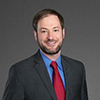 William F. Kiniry III DLA Piper
About this program

Course Overview
When the Record Decides the Case Before the Verdict Does
Every trial outcome is shaped long before closing argument, by the foundations laid for each exhibit, the motions in limine that narrow what reaches the factfinder, and the Daubert rulings that determine which experts speak to the jury. Litigators who treat the Rules of Evidence as a checklist rather than a strategic system find themselves unable to preserve error, qualify their experts, or block prejudicial material under Rule 403. With trial dockets accelerating and appellate courts demanding cleaner records, command of pretrial motion practice and evidentiary handling separates lawyers who win on the merits from those who lose on procedure. This program equips practitioners to admit exhibits over hearsay objections, deploy Federal Rule 702 and Daubert to qualify or exclude experts, probe the underlying materials behind expert opinions, time objections to preserve appellate review, and integrate charts, timelines, and demonstrative exhibits within evidentiary limits. Attendees will be able to draft motions in limine, examine experts, and build the record appellate courts need to affirm.
Key Topics
- Admitting evidence Lay foundations, authenticate exhibits, and overcome hearsay objections to move proof into the record.
- Excluding evidence Wield motions in limine and Rule 403 to block prejudicial or unreliable material.
- Objection practice Time objections precisely, respond under pressure, and preserve error for appellate review.
- Expert examination Qualify, challenge, and cross-examine experts under Daubert and Federal Rule 702.
- Underlying materials Probe data, documents, and witnesses an expert relied on to form opinions.
- Demonstrative exhibits Deploy charts, timelines, and visuals to engage jurors within evidentiary limits.
What You Will Learn and Gain
What you will learn
Attorneys will learn to admit and exclude evidence, handle expert witnesses under Daubert and Rule 702, time objections, and deploy demonstrative exhibits within evidentiary limits.
What you will gain
They will gain sharper courtroom advocacy skills, stronger pretrial motion practice, and the ability to build trial records that appellate courts need to affirm.
Speakers
William F. Kiniry III
DLA Piper
Bill Kiniry is engaged in a broad-based litigation practice focused on product liability, internal investigations, and Employee Retirement Income Security Act of 1974 (ERISA) litigation, based in DLA Piper’s Baltimore office. He has first chair trial experience with automotive product liability litigation, particularly warranty litigation where he has appeared in nearly every court in the State of Maryland. His practice centers on the preparation, trial, and appeal of civil litigation cases, including conducting internal investigations that reconstruct and explicate the “company story” with respect to involvement with legacy products such as asbestos, representing a major health care system and its practitioners in a variety of contexts, representing major pharmaceutical manufacturers and manufacturers and distributors of automobiles and heavy construction equipment in the product liability context, and representing numerous companies with respect to benefits disputes and alleged violations of ERISA. He defends plans, fiduciaries, and companies against claims of breach of fiduciary duty, vesting and funding violation disputes, withdrawal liability disputes, and disputes regarding welfare and pension benefits subject to ERISA, and has extensive experience with multi-employer plans, particularly on delinquent contribution and withdrawal liability litigation.
Full profile
Experience
Bill represents clients in various pro bono matters, providing legal advice relating to intellectual property, contracts, business formation, and estate planning, and is an active participant in the Baltimore office's signature project, Empowering Students and Families, where he has represented the parents of disabled students with regard to the students' educational rights. He has also represented clients in adoption, child support, child visitation, and estate-planning matters, and as Co-chair of the Maryland Chapter of the Wills for Heroes Foundation, he volunteers his time drafting Wills, Powers of Attorney, and Advanced Medical Directives for emergency first responders in Maryland.Education
Bill earned his J.D. from the University of Baltimore School of Law and his B.A. in Political Science from Saint Joseph's University. He is admitted to practice in Maryland, Pennsylvania, and Washington, and is admitted before the United States District Court for the District of Maryland, the United States District Court for the Eastern District of Pennsylvania, and the United States Court of Appeals for the Fourth Circuit.Recognition
Bill was the recipient of the 2025 Distinguished Maryland Pro Bono Service Award, issued by the Maryland Pro Bono Resource Center and presented by District Court of Maryland Chief Justice John P. Morrissey to an individual who has distinguished themself as an exemplar of pro bono service, going above and beyond the average pro bono commitment either over a period of time or through extended service in a complex matter or case. He serves as a Commissioner on the Maryland Access to Justice Commission, a nonprofit organization committed to advancing access to the civil justice system for all Marylanders, where he workshops ideas for advancing civil justice and has created a joint partnership project between the Commission and the Firm to research and identify areas in which non-attorneys can advocate for Maryland residents.Professional involvement
Bill serves as Chair of the Environmental/Toxic Torts Subcommittee of the American Bar Association (2025 – present), Commissioner on the Maryland Access to Justice Commission (2023 – present), Co-chair of the Maryland Chapter of the Wills for Heroes Foundation (2016 – present), and previously served as Co-chair of the Pro Bono Committee of the Young Lawyers' Section of the Maryland State Bar Association (2016 – 2024). He is an Eagle Scout who also serves as an Assistant Scoutmaster at the troop level within the Boy Scouts of America (2008 – present), and he is a member of the Defense Research Institute, the American Bar Association, the Maryland Bar Association, and the Baltimore City Bar Association. His bylines include coauthorship of "Five Tips for Litigators: Collecting Plaintiffs' Social Media" (American Bar Association, July 24, 2023) and "FDA's Recent Guidance on Real-World Evidence and the Potential Impact for Mass Tort Litigation" (American Bar Association, April 14, 2022). He has presented "Personal Injury Damages: Addressing Pain and Suffering, Pre-Impact Damages, Conscious Suffering Before Death" (Strafford Webinars, April 8, 2025); served as a panelist on "Get Your ERISA Litigation On!" (American Bar Association, February 21, 2025); and presented "Ensuring Prior Bad Acts Come Into Evidence In Personal Injury Cases: Strategies For Plaintiffs and Defendants" (Strafford Webinars, May 1, 2024).Agenda
-
Admitting Evidence and Laying Trial Foundations Properly
Attorneys learn to lay proper foundations, authenticate exhibits, and overcome hearsay objections to successfully move proof into the trial record under the Federal Rules of Evidence.
William F. Kiniry III
-
Excluding Evidence Through Motions in Limine
Practitioners gain command of motions in limine and Rule 403 to block prejudicial, unreliable, or unfairly inflammatory material from reaching the factfinder before trial begins.
William F. Kiniry III
-
Objection Practice and Preserving Appellate Review Rights
Litigators sharpen the timing and delivery of objections, learn to respond under courtroom pressure, and preserve errors on the record for meaningful appellate review.
William F. Kiniry III
-
Expert Examination Under Daubert and Rule 702
Counsel learn to qualify, challenge, and cross-examine expert witnesses under Daubert and Federal Rule 702, controlling which expert opinions reach and persuade the jury.
William F. Kiniry III
-
Underlying Materials and Probing Expert Opinion Foundations
Attorneys learn to probe the data, documents, and witnesses an expert relied upon to form opinions, exposing weaknesses in methodology and the foundation of expert testimony.
William F. Kiniry III
-
Demonstrative Exhibits, Charts, Timelines, and Trial Visuals
Practitioners deploy charts, timelines, and visual aids to engage jurors and clarify complex evidence, while remaining within evidentiary limits that protect admissibility and the trial record.
William F. Kiniry III
MCLE Credits
-
Alabama
Approved for Self-Study Credits
2 General
-
Alaska
Approved for CLE Credits
2 General
Our programs are CLE-eligible through Alaska’s recognition of multi-jurisdictional reciprocity.
-
Arizona
Approved for CLE Credits
2 General
-
Arkansas
Approved for CLE Credits
2 General
-
California
Approved for CLE Credits
2 General
-
Colorado
Approved for Self-Study Credits
2 General
-
Connecticut
Approved for CLE Credits
2 General
-
Delaware
Approved for CLE Credits
2 General
-
District of Columbia
No MCLE Required
No MCLE Required
-
Florida
Approved for CLE Credits
2.5 General
-
Georgia
Approved for CLE Credits
2 General
-
Hawaii
Approved for CLE Credits
2 General
-
Idaho
Pending CLE Approval
2 General
-
Illinois
Approved for Self-Study Credits
2 General
-
Indiana
Approved For On-Demand Credits
2 General
-
Iowa
Pending CLE Approval
2 General
-
Kansas
Pending CLE Approval
2 Substantive
-
Kentucky
Pending CLE Approval
2 General
-
Louisiana
Pending CLE Approval
2 General
-
Maine
Pending CLE Approval
2 General
-
Maryland
No MCLE Required
2 CLE Hour(s)
-
Massachusetts
No MCLE Required
2 CLE Hour(s)
-
Michigan
No MCLE Required
2 CLE Hour(s)
-
Minnesota
Approved for Self-Study Credits
2 General
-
Mississippi
Pending CLE Approval
2 General
-
Missouri
Approved for Self-Study Credits
2.4 General
-
Montana
Pending CLE Approval
2 General
-
Nebraska
Pending CLE Approval
2 General
myLawCLE reports attendance to Nebraska on each attorney’s behalf for all programs. Please do not self-report.
-
Nevada
Approved for Self-Study Credits
2 General
-
New Hampshire
Approved for CLE Credits
120 General minutes
As of July 1, 2014, the NHMCLE Board no longer provides pre- or post-approval of courses. Attendees must self-determine whether a program is eligible for credit, and self-report their attendance online at www.nhbar.org, based on qualification provisions of Rule 53.
-
New Jersey
Approved for CLE Credits
2 General
Our programs are CLE-eligible through New Jersey’s recognition of multi-jurisdictional reciprocity, except for the courses required under BCLE Reg. 201:2
-
New Mexico
Approved for Self-Study Credits
2 General
-
New York
Approved for CLE Credits
2 General
Our programs are CLE-eligible through New York’s Approved Jurisdiction Group “B”.
-
North Carolina
Pending CLE Approval
2 General
-
North Dakota
Approved for CLE Credits
2 General
Our programs are CLE-eligible through North Dakota’s recognition of multi-jurisdictional reciprocity. Section 1, Policy 1.14
-
Ohio
Approved for Self-Study Credits
2 General
-
Oklahoma
Approved for Self-Study Credits
2 General
-
Oregon
Approved for Self-Study Credits
2 General
-
Pennsylvania
Approved for Self-Study Credits
2 General
-
Rhode Island
Pending CLE Approval
2.5 General
-
South Carolina
Pending CLE Approval
2 General
-
South Dakota
No MCLE Required
2 CLE Hour(s)
-
Tennessee
Approved for Self-Study Credits
2 General
-
Texas
Approved for CLE Credits
2 General
-
Utah
Pending CLE Approval
2 General
-
Vermont
Approved for CLE Credits
2 General
-
Virginia
Pending CLE Approval
2 General
-
Washington
Approved for Self-Study Credits
2 Law & Legal Hours
-
West Virginia
Pending CLE Approval
2.4 General
-
Wisconsin
Approved for Self-Study Credits
2 General
-
Wyoming
Pending CLE Approval
2 General
No state matches.