
On-Demand · November 5, 2025
Avoiding Probate Disasters: How to Spot Problems, Litigate Effectively, and Stay Ethical
Comprehensive guide covering probate litigation strategies, will validity requirements, fiduciary duties, and ethical obligations for estate planning attorneys.
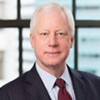
 Charles R. Jacob III Goulston & StorrsDavid F. Johnson Winstead PC
About this program


Course Overview
Mastering Probate, Fiduciary Litigation, and Ethics
Participants will learn to identify probate pitfalls, litigate fiduciary disputes efficiently, and navigate ethical obligations when representing executors, trustees, and clients with diminished capacity. These skills enable practitioners to protect client interests while maintaining professional compliance.
- Will Validity Assess capacity, execution, and witness requirements.
- Dispute Prevention Document client intent to defeat future challenges.
- Fiduciary Conflicts Identify client capacity and avoid inadvertent relationships.
- Diminished Capacity Take protective action for vulnerable clients.
Why Attend
Mastering probate, fiduciary litigation, and ethics is essential because practitioners face complex procedural rules, client capacity issues, and malpractice risks that demand specialized knowledge.
- $124T Projected total wealth to be transferred through 2048, with $105 trillion flowing to heirs and $18 trillion to charity. (Cerulli Associates, U.S. High-Net-Worth and Ultra-High-Net-Worth Markets 2024)
- 35% Of U.S. adults have experienced or know someone who experienced family conflict due to lack of estate planning. (Vanilla State of Estate Planning Report)
- 10.7% Of all legal malpractice claims nationally involve wills, trusts, estate planning, and probate law, ranking fourth among practice areas. (ABA Standing Committee on Lawyers' Professional Liability)
- $28B Estimated annual losses from elder financial exploitation affecting older Americans in the United States. (AARP, The Scope of Elder Financial Exploitation, 2023)
Key Topics
- Will Validity Understand capacity requirements, execution standards, and witness considerations for establishing valid wills.
- Asset Titling Learn how property titling determines whether assets pass through probate or by operation of law.
- Undue Influence Identify common patterns and documentation strategies to prevent or defeat undue influence claims.
- Probate Litigation Handle notice requirements, due execution challenges, and strategic use of summary judgment.
- Client Identification Determine who the client is when individuals serve in multiple fiduciary capacities.
- Diminished Capacity Apply Model Rule 1.14 framework for clients with diminished capacity and protective actions.
What You Will Learn and Gain
What you will learn
Attorneys will learn essential considerations for handling probate matters, from initial client assessment through litigation, along with critical ethical obligations in estate planning.
What you will gain
Attorneys will gain practical strategies for addressing common pitfalls and unique challenges posed by vulnerable clients and complex family dynamics.
Speakers
Charles R. Jacob III
Goulston & Storrs
Chuck Jacob is a litigator advising financial and real estate industry clients and high net worth individuals in complex disputes across the financial and real estate industries, and in fiduciary matters.
Full profile
Experience
In his financial industry practice, he has asserted and defended claims for institutional clients, managers, executives and high net worth individuals involving commercial and investment banking, mortgage-backed securities, CDOs and other derivatives, mortgage servicing, professional liability, and fiduciary obligations. Chuck is known for his ability to resolve complicated real estate litigation matters that often involve multiple parties. He is also a member of Goulston & Storrs' Probate & Fiduciary Litigation group. Chuck has extensive trial experience in federal courts (including bankruptcy courts), state courts, and in arbitration and mediation. Prior to joining Goulston & Storrs, Chuck was a partner at a top litigation boutique in New York.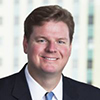
David F. Johnson
Winstead P.C
David has specialized in estate and trust disputes including will contests, mental competency issues, undue influence, trust modification/clarification, breach of fiduciary duty and related claims, and accountings. David is a unique lawyer in that he has extensive trial and appellate experience, which has resulted in his achieving board certifications in civil trial law, civil appellate, and personal injury trial law by the Texas Board of Legal Specialization.
Agenda
-
Identifying Problems and Planning in Probate Matters
This session covers the fundamentals of probate practice, including establishing will validity, capacity requirements, and proper execution procedures. Attendees will learn how to identify potential heir disputes, document client intent to prevent future litigation, and utilize mechanisms like trusts and beneficiary designations to avoid probate.
Charles R. Jacob III, David F. Johnson
-
Efficient Litigation Strategies for Probate and Fiduciary Cases
This session explores the procedural requirements of probate litigation, from proper notice to beneficiaries and creditors through establishing due execution of wills. Participants will examine common probate problems including gift failures, spousal rights, and undue influence claims, while learning strategies for efficient case resolution through summary judgment and settlement.
Charles R. Jacob III, David F. Johnson
-
Navigating Ethics in Estate Planning and Trust Administration
This comprehensive ethics session addresses critical issues including identifying the client across multiple capacities, managing joint representation conflicts, and understanding attorney-client privilege exceptions in fiduciary relationships. Attendees will also learn how to handle clients with diminished capacity under Model Rule 1.14 and navigate the ethical considerations when attorneys serve as fiduciaries.
Charles R. Jacob III, David F. Johnson
MCLE Credits
-
Alabama
Approved for Self-Study Credits
1.5 General, 1 Ethics
-
Alaska
Approved for CLE Credits
1.5 General, 1 Ethics
Our programs are CLE-eligible through Alaska’s recognition of multi-jurisdictional reciprocity.
-
Arizona
Approved for CLE Credits
1.5 General, 1 Professional Responsibility/Ethics
-
Arkansas
Approved for CLE Credits
1.5 General, 1 Ethics
-
California
Approved for CLE Credits
1.5 General, 1 Ethics
-
Colorado
Approved for Self-Study Credits
2 General, 1 Ethics / Professionalism
-
Connecticut
Approved for CLE Credits
1.5 General, 1 Ethics / Professionalism
-
Delaware
Pending CLE Approval
1.5 General, 1 Enhanced Ethics
-
District of Columbia
No MCLE Required
No MCLE Required
-
Florida
Pending CLE Approval
1.5 General Hours, 1 Ethics Hour
Receive CLE credit in Florida via Attorney Submission.
-
Georgia
Approved for CLE Credits
1.5 General, 1 Ethics
-
Hawaii
Approved for CLE Credits
1.5 General, 1 Ethics / Professionalism
-
Idaho
Approved for Self-Study Credits
1.5 General, 1 Ethics / Professionalism
-
Illinois
Approved for Self-Study Credits
1.5 General, "1 Ethics, Civility, Professionalism"
-
Indiana
Pending CLE Approval
1.5 General, 1 Ethics
-
Iowa
Pending CLE Approval
0.5 General, 1 Ethics
-
Kansas
Pending CLE Approval
1.5 Substantive, 1 Ethics / Professionalism
-
Kentucky
Pending CLE Approval
1.5 General, 1 Ethics
-
Louisiana
Pending CLE Approval
1.5 General, 1 Ethics
-
Maine
Pending CLE Approval
1.5 General, 1 Ethics / Professionalism
-
Maryland
No MCLE Required
2.5 CLE Hour(s)
-
Massachusetts
No MCLE Required
2.5 CLE Hour(s)
-
Michigan
No MCLE Required
2.5 CLE Hour(s)
-
Minnesota
Approved for Self-Study Credits
1.5 General, 1 Ethics
-
Mississippi
Pending CLE Approval
1.5 General, 1 Ethics
-
Missouri
Approved for Self-Study Credits
1.8 General, 1.2 Ethics
-
Montana
Pending CLE Approval
1.5 General, 1 Professional Fitness and Integrity
-
Nebraska
Pending CLE Approval
1.5 General, 1 Professional Responsibility
myLawCLE reports attendance to Nebraska on each attorney’s behalf for all programs. Please do not self-report.
-
Nevada
Pending CLE Approval
1.5 General, 1 Ethics / Professionalism
-
New Hampshire
Approved for CLE Credits
90 General minutes, 60 Ethics / Professionalism minutes
As of July 1, 2014, the NHMCLE Board no longer provides pre- or post-approval of courses. Attendees must self-determine whether a program is eligible for credit, and self-report their attendance online at www.nhbar.org, based on qualification provisions of Rule 53.
-
New Jersey
Approved for CLE Credits
1.5 General , 1 Ethics / Professionalism
Our programs are CLE-eligible through New Jersey’s recognition of multi-jurisdictional reciprocity, except for the courses required under BCLE Reg. 201:2
-
New Mexico
Approved for Self-Study Credits
1.5 General, 1 Ethics
-
New York
Approved for CLE Credits
1.5 General, 1 Ethics / Professionalism
Our programs are CLE-eligible through New York’s Approved Jurisdiction Group “B”.
-
North Carolina
Approved for Self-Study Credits
1.5 General, 1 Ethics
-
North Dakota
Approved for CLE Credits
1.5 General, 1 Ethics
Our programs are CLE-eligible through North Dakota’s recognition of multi-jurisdictional reciprocity. Section 1, Policy 1.14
-
Ohio
Approved for Self-Study Credits
1.5 General, 1 Professional Conduct
-
Oklahoma
Pending CLE Approval
2 General, 1 Ethics / Professionalism
-
Oregon
Approved for Self-Study Credits
1.5 General, 1 Ethics
-
Pennsylvania
Approved for Self-Study Credits
1.5 General, 1 Ethics
-
Rhode Island
Pending CLE Approval
1.5 General, 1 Ethics
-
South Carolina
Pending CLE Approval
1.5 General, 1 Ethics / Professionalism
-
South Dakota
No MCLE Required
2.5 CLE Hour(s)
-
Tennessee
Pending CLE Approval
1.5 General, 1 Dual
-
Texas
Pending CLE Approval
1.5 General, 1 Ethics
-
Utah
Pending CLE Approval
1.5 General, 1 Ethics / Professionalism
-
Vermont
Approved for CLE Credits
1.5 General, 1 Ethics
-
Virginia
Not Eligible
1.5 General Hours, 1 Ethics / Professionalism Hours
-
Washington
Approved via Attorney Submission
1.5 Law & Legal Hours, 1 Ethics Hours
Receive CLE credit in Washington via Attorney Submission. myLawCLE will supply Washington state attorneys with instructions on how to gain credit.
-
West Virginia
Pending CLE Approval
1.8 General, 1.2 Ethics / Professionalism
-
Wisconsin
Approved for Self-Study Credits
3 General
Ethics credits can ONLY be earned through Live-Webcast programs, the Wisconsin Board of Bar Examiners does not approve Ethics through On-Demand sessions.
-
Wyoming
Pending CLE Approval
1.5 General, 1 Ethics
No state matches.