

On-Demand · January 20, 2026

Client Intake and Case Development in Insurance Bad Faith Claims

Comprehensive guide to handling insurance bad faith claims, covering intake strategies, documentation requirements, and litigation techniques for attorneys.

Paul D. Friedman Accident Law GroupJoseph Brown Accident Law Group

About this program

Course Overview

Mastering Insurance Bad Faith Litigation Strategies

Participants will learn to identify, document, and prosecute insurance bad faith claims from initial intake through trial. These practical techniques help attorneys maximize client recoveries while avoiding common ethical pitfalls.

  • Strategic Documentation Put all adjuster communications in writing.
  • Policy Analysis Review coverage to cultivate viable claims.
  • Red Flag Identification Recognize adjuster conduct indicating bad faith.
  • Case Development Create pressure points through reasonable demands.

Why Attend

Mastering insurance bad faith claims protects clients from insurer misconduct and enables recovery of damages far exceeding original policy limits.

  • $20B U.S. hospitals and health systems spent an estimated $19.7 billion annually fighting denied claims from insurers. (Premier Inc. / American Hospital Association, 2024)
  • 19% HealthCare.gov insurers denied nearly one in five (19%) in-network claims submitted in 2023, with rates varying from 1% to 54% by insurer. (Kaiser Family Foundation, 2024)
  • <1% Fewer than 1% of denied insurance claims are ever appealed by consumers, despite internal appeals succeeding approximately 44% of the time. (Kaiser Family Foundation, 2024)
  • $145M A Colorado jury awarded $145.26 million in a 2024 bad faith case after an insurer denied rehabilitation care following a traumatic brain injury. (Expert Institute, 2025)

Key Topics

  • Documentation Put all adjuster communications in writing to avoid becoming a witness.
  • Terminology Never use "bad faith" with adjusters to avoid triggering internal protections.
  • Policy Review Always read policies to understand coverage and cultivate claims around covered actions.
  • Fee Agreements Maintain separate fee agreements for bad faith cases to meet ethical requirements.
  • Red Flags Watch for adjuster bonus structures and unreasonable evaluation practices as bad faith indicators.
  • Insurer Duties Carriers must defend, indemnify, and consider the insured's interests equally with their own.

What You Will Learn and Gain

What you will learn

Attorneys will learn comprehensive strategies for handling insurance bad faith claims, from initial client intake and documentation through litigation and trial.

What you will gain

Attorneys will gain practical techniques for cultivating, documenting, and successfully prosecuting first-party and third-party bad faith cases against insurance carriers.

Speakers

Paul D. Friedman | Accident Law Group

Paul is a Partner and General Counsel of BROWN, CROWELL & FRIEDMAN, PLLC d/b/a ACCIDENT LAW GROUP™ and LAW TIGERS™ which is a multi-state law firm handling personal injury, wrongful death, product liability, ethics, professional malpractice, and insurance bad faith claims. After serving as the Special Counsel to the State of Arizona Attorney General from 1997-2000, he received post-graduate master’s and doctorate degrees in ethics. Paul served as an Adjunct Professor at Midwestern University/Arizona College of Osteopathic Medicine for almost a decade as well as an Adjunct Professor with the Arizona State School of Law from 2020-2022. He served as a Judge Pro Tempore of the for two decades and served as a Diplomate with the American College of Forensic Examiners™ where he wrote the manual and taught trial experts how to testify in court. He is Certified in Injury and Wrongful Death Litigation by the State Bar of Arizona Board of Legal Specialization. Paul is also Certified by the National Board of Legal Specialty Certification/National Board of Trial Advocacy (“NBTA”) in Civil Pretrial Practice Advocacy and Civil Trial Advocacy. He is a Diplomate of the American Board of Professional Liability Attorneys (“NBPLA”) in Medical Malpractice and is an Associate with the American Board of Trial Advocacy (“ABOTA”).

In addition to settling the tobacco case for the State of Arizona for over three billion dollars, Paul has obtained multiple verdicts which are listed in the Top 100 Nationally, including a jury verdict of $58,500,000.


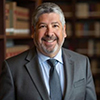
Joseph Brown | Accident Law Group

Joseph Brown, Esq., founding partner of Accident Law Group, devotes his practice exclusively to personal injury law. His career began as an insurance claims adjuster, giving him a rare insider’s perspective on how insurance companies evaluate and negotiate claims. This experience enables him to anticipate opposing strategies and advocate with exceptional effectiveness. Before establishing Accident Law Group, Mr. Brown rose quickly within a major personal injury firm, ultimately serving as Managing Attorney and consistently ranking as a leader in settlements, revenue, and client satisfaction.

Mr. Brown founded Accident Law Group with a belief that clients should have direct access to the attorney handling their case, not be treated as just another file in a large system. His commitment to individualized service is further shaped by his own experience as a serious accident victim, giving him first-hand understanding of the physical, emotional, and financial challenges clients face. In addition to his legal work, Mr. Brown remains active in community service and professional engagement throughout the Valley, reinforcing his dedication to serving others both in the courtroom and beyond.

Agenda

  1. Session 1 · 1:00 pm - 1:15 pm

    Client Intake and Initial Bad Faith Screening

    Learn to distinguish between first-party and third-party bad faith claims during initial client consultations. Master critical documentation requirements and discover why you should never use the term ‘bad faith’ when communicating with adjusters.

    Jim Koford

  2. Session 2 · 1:15 pm - 1:30 pm

    Recognizing Red Flags and Bad Faith Indicators

    Identify warning signs of potential bad faith including adjuster compensation structures that incentivize low payouts. Examine unreasonable evaluation practices, delayed investigations, and how adjusters are graded on settling within authority limits.

    Jim Koford

  3. Session 3 · 1:30 pm - 1:45 pm

    Strategies for Building Strong Bad Faith Cases

    Develop effective techniques for documenting insurer failures and creating pressure points through reasonable demands. Learn how to set up third-party cases for excess judgments and secure assignments with covenants not to execute.

    Jim Koford

  4. Session 4 · 1:45 pm - 2:00 pm

    Policy Analysis and Coverage Assessment Essentials

    Understand why reading policies thoroughly is essential for cultivating claims around covered actions. Explore how to navigate policy variations, exclusions for intentional torts, and strategies for obtaining adverse party policies.

    Jim Koford

  5. Break · 2:00 pm - 2:10 pm

    Break

    A short break to refresh before continuing with the remaining sessions.

    Jim Koford

  6. Session 5 · 2:10 pm - 2:20 pm

    Avoiding Collusion and Preserving Case Rights

    Learn strategies to avoid collusion allegations that can derail third-party bad faith claims. Discover how to preserve your right to prosecute cases without becoming a witness through proper documentation practices.

    Jim Koford

  7. Session 6 · 2:20 pm - 2:30 pm

    Understanding Insurer Duties and Legal Framework

    Examine the legal duties insurance carriers owe their insureds including defense, indemnification, and fiduciary responsibilities. Explore how reservation of rights creates bad faith exposure and understand punitive damages limitations.

    Jim Koford

  8. Session 7 · 2:30 pm - 2:40 pm

    Effective Discovery Strategies for Bad Faith Litigation

    Master techniques for obtaining adjuster notes, internal documents, and recorded communications that reveal insurer misconduct. Learn how to challenge work product claims and leverage electronic discovery to expose unreasonable claims handling.

    Jim Koford

  9. Session 8 · 2:40 pm - 2:50 pm

    Leveraging Expert Testimony and Industry Standards

    Discover how to challenge defense medical examinations and identify experts who consistently favor insurers. Learn to use industry standards testimony to demonstrate that claims handling fell below acceptable practices.

    Jim Koford

  10. Session 9 · 2:50 pm - 3:00 pm

    Proving Causation and Damages in Bad Faith

    Establish the connection between insurer misconduct and client harm to maximize recovery. Explore recoverable damages including consequential losses, emotional distress, and the mechanics of assignment agreements.

    Jim Koford

  11. Session 10 · 3:00 pm - 3:10 pm

    Ethics, Venue Selection, and Client Expectations

    Understand the ethical requirement for separate fee agreements in bad faith cases and strategic venue considerations. Learn to manage client expectations regarding timeline and build your reputation for successful future negotiations.

    Jim Koford

MCLE Credits

  • Alabama

    Approved for Self-Study Credits

    2 General

  • Alaska

    Approved for CLE Credits

    2 General

    Our programs are CLE-eligible through Alaska’s recognition of multi-jurisdictional reciprocity.

  • Arizona

    Approved for CLE Credits

    2 General

  • Arkansas

    Approved for CLE Credits

    2 General

  • California

    Approved for CLE Credits

    2 General

  • Colorado

    Pending CLE Approval

    2 General

  • Connecticut

    Approved for CLE Credits

    2 General

  • Delaware

    Pending CLE Approval

    2 General

  • District of Columbia

    No MCLE Required

    No MCLE Required

  • Florida

    Pending CLE Approval

    2 General Hours

    Receive CLE credit in Florida via Attorney Submission.

  • Georgia

    Approved for CLE Credits

    2 General

  • Hawaii

    Approved for CLE Credits

    2.4 General

  • Idaho

    Pending CLE Approval

    2 General

  • Illinois

    Approved for Self-Study Credits

    2 General

  • Indiana

    Approved for CLE Credits

    2 General

  • Iowa

    Pending CLE Approval

    2 General

  • Kansas

    Pending CLE Approval

    2 Substantive

  • Kentucky

    Pending CLE Approval

    2 General

  • Louisiana

    Approved for Self-Study Credits

    2 General

  • Maine

    Pending CLE Approval

    2 General

  • Maryland

    No MCLE Required

    2 CLE Hour(s)

  • Massachusetts

    No MCLE Required

    2 CLE Hour(s)

  • Michigan

    No MCLE Required

    2 CLE Hour(s)

  • Minnesota

    Approved for Self-Study Credits

    2 General

  • Mississippi

    Pending CLE Approval

    2 General

  • Missouri

    Approved for CLE Credits

    2.4 General

  • Montana

    Pending CLE Approval

    2 General

  • Nebraska

    Pending CLE Approval

    2 General

    myLawCLE reports attendance to Nebraska on each attorney’s behalf for all programs. Please do not self-report.

  • Nevada

    Approved for Self-Study Credits

    2 General

  • New Hampshire

    Approved for CLE Credits

    120 General minutes

    As of July 1, 2014, the NHMCLE Board no longer provides pre- or post-approval of courses. Attendees must self-determine whether a program is eligible for credit, and self-report their attendance online at www.nhbar.org, based on qualification provisions of Rule 53.

  • New Jersey

    Approved for CLE Credits

    2 General

    Our programs are CLE-eligible through New Jersey’s recognition of multi-jurisdictional reciprocity, except for the courses required under BCLE Reg. 201:2

  • New Mexico

    Approved for CLE Credits

    2 General

  • New York

    Approved for CLE Credits

    2 General

    Our programs are CLE-eligible through New York’s Approved Jurisdiction Group “B”.

  • North Carolina

    Approved for Self-Study Credits

    2 General

  • North Dakota

    Approved for CLE Credits

    2 General

    Our programs are CLE-eligible through North Dakota’s recognition of multi-jurisdictional reciprocity. Section 1, Policy 1.14

  • Ohio

    Approved for CLE Credits

    2 General

  • Oklahoma

    Approved for Self-Study Credits

    2.5 General

  • Oregon

    Pending CLE Approval

    2 General

  • Pennsylvania

    Approved for CLE Credits

    2 General

  • Rhode Island

    Pending CLE Approval

    2 General

  • South Carolina

    Pending CLE Approval

    2 General

  • South Dakota

    No MCLE Required

    2 CLE Hour(s)

  • Tennessee

    Approved for CLE Credits

    2 General

  • Texas

    Approved for CLE Credits

    2 General

  • Utah

    Pending CLE Approval

    2 General

  • Vermont

    Approved for CLE Credits

    2 General

  • Virginia

    Not Eligible

    2 General Hours

  • Washington

    Approved via Attorney Submission

    2 Law & Legal Hours

    Receive CLE credit in Washington via attorney submission.

  • West Virginia

    Pending CLE Approval

    2.4 General

  • Wisconsin

    Approved for Self-Study Credits

    2 General

  • Wyoming

    Pending CLE Approval

    2 General