
On-Demand · August 19, 2026
Retirements Assets: IRAs, 401[k]s, and Best Practices to Manage your Estate (2026 Edition)
Master the tax and trust rules governing retirement assets in estate plans. Apply SECURE 2.0, structure trust beneficiary designations correctly, and leverage IRAs and 401(k)s for charitable giving.

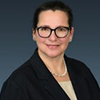 Vanessa L. Kanaga Becker & House, PLLCSahri D. Zeger CohnReznick, LLP
About this program

Course Overview
The Trust Language That Used to Work Now Triggers Tax
A client's IRA—the largest asset in the estate—lands in a trust drafted to stretch payouts over a beneficiary's lifetime, and the language now forces the entire account out within ten years, often at compressed trust tax rates that erase the deferral the plan was built to protect.
The SECURE Act ended the stretch for most beneficiaries, and the IRS's final regulations—confirming annual RMDs inside the ten-year window for many heirs—are now in effect, with SECURE 2.0 layering on further changes. Planners still working from conduit-trust templates and pre-2020 beneficiary forms are handing clients accelerated tax bills without knowing it.
This session covers the tax treatment of retirement accounts, current RMD rules for inherited IRAs, how dispositive trust language controls distribution timing, when naming a trust still makes sense, and how charitable giving during life and at death can absorb the tax. You'll leave able to draft trust language that survives the see-through rules and structure designations that control timing and tax.
Key Topics
- Tax treatment Retirement accounts carry tax advantages and disadvantages requiring special attention in estate planning.
- RMDs Required minimum distributions govern how and when retirement account funds must be withdrawn.
- Non-tax issues Non-tax considerations affect how retirement assets are managed within an estate plan.
- Trust beneficiaries Naming a trust as a designated beneficiary produces specific tax impacts.
- Dispositive language Different kinds of dispositive language affect retirement account distribution timing.
- SECURE Act Secure 2.0, the Secure Act, and recent guidance apply to trust distributions.
What You Will Learn and Gain
What you will learn
Attorneys will learn the tax treatment of retirement accounts, required minimum distributions, non-tax issues, and how trusts serve as beneficiaries of retirement accounts under recent regulatory changes.
What you will gain
Attorneys will gain an understanding of the tax impacts of naming a trust as a designated beneficiary and how Secure 2.0 and recent RMD guidance apply.
Speakers
Vanessa L. Kanaga
Becker & House, PLLC
Vanessa L. Kanaga is an estate planning attorney with nearly two decades of experience guiding individuals and families through the preservation of their legacies. A member of the Becker & House team in Phoenix, she combines deep technical knowledge of estate planning with the problem-solving discipline she developed as a technology company executive, delivering personalized, practical solutions for her clients.
Full profile
Experience
Vanessa began her legal career in New York, practicing at Milbank LLP and Moses & Singer LLP before returning to her hometown of Wichita, Kansas, to practice at Hinkle Law Firm LLC. In 2013, she moved into legal technology as CEO of InterActive Legal, applying her estate planning background to the development of practice solutions for attorneys. In 2023, she returned to private practice in Phoenix, joining Becker & House, where she concentrates on estate planning and draws on her combined legal and business experience to serve her clients.Education
Vanessa earned her J.D. from Cornell Law School and holds a B.A. in Philosophy from Wichita State University. She also completed an Advanced Professional Certificate from New York University School of Law. She is licensed to practice in Arizona, New York, and Kansas.Recognition
Vanessa served as Chief Executive Officer of InterActive Legal, a provider of practice solutions for estate planning attorneys. In that role she led the company's transformation into an online service provider and guided it through the emergence of AI-based technology — a tenure that reflects both her standing in the estate planning community and her capacity to lead an organization through significant change.Professional involvement
Vanessa works directly with clients at Becker & House, focusing on understanding each family's circumstances and helping them achieve peace of mind. Her career bridges private practice and the legal-technology industry, giving her a perspective on estate planning informed by both client service and the tools that support the field. Sahri D. Zeger
CohnReznick, LLP
Sahri D. Zeger is a Partner at CohnReznick Advisory LLC and leader of the firm’s Trust & Estates group. A tax attorney with more than 20 years of experience, she serves as a trusted advisor to high-net-worth individuals and successful business owners, developing sophisticated tax strategies and multi-generational estate plans that align with her clients’ business, family, and charitable goals.
Full profile
Experience
Over a career spanning more than two decades, Sahri has focused on wealth preservation, estate planning, and business succession for private clients. Before joining CohnReznick, she was a principal at a Boston-based accounting, tax, and advisory firm, where she provided high-net-worth individuals and family groups with tax compliance, fiduciary planning, and estate, trust, private foundation, and gift tax services. At CohnReznick, she leads the Trust & Estates group, drawing on her combined legal, accounting, and finance background to design estate and tax strategies for sophisticated clients.Education
JDSahri earned her J.D. from the University of Connecticut School of Law and an MBA in Accounting and Finance from the University of Connecticut. She holds a B.A. in French Language and Literature from the University of Massachusetts, Amherst. She is admitted to practice law in Massachusetts and Illinois. In addition to English, she speaks French and German.Recognition
Sahri leads CohnReznick's Trust & Estates group, where she brings comprehensive technical knowledge of estate and gift reporting rules and extensive experience identifying exposure points for clients. Before joining CohnReznick, she served as a principal in a Boston-based accounting, tax, and advisory firm, a role that reflects her standing as a senior practitioner in the trust and estates field.Professional involvement
Sahri is a member of the American Institute of Certified Public Accountants and the Massachusetts Society of Certified Public Accountants. She also serves on the Networking Committee of the Boston Estate Planning Council.Agenda
-
Key Strategies for Managing Retirement Assets and Estate Planning
Retirement accounts demand planning treatment unlike real estate or business interests. This session examines the tax and non-tax rules governing 401(k)s and IRAs, required minimum distributions, trust beneficiary designations, and how recent regulatory changes reshape estate planning strategy.
Vanessa L. Kanaga
-
Trusts as Beneficiaries of Retirement Accounts
Naming a trust as a retirement account beneficiary carries distinct tax consequences. This session examines how dispositive language controls distribution timing, when a trust beneficiary makes sense, and how SECURE 2.0 and recent guidance govern RMDs for inherited IRAs.
Sahri D. Zeger
MCLE Credits
-
Alabama
Approved for Self-Study Credits
2 General
-
Alaska
Approved for CLE Credits
2 General
Our programs are CLE-eligible through Alaska’s recognition of multi-jurisdictional reciprocity.
-
Arizona
Approved for CLE Credits
2 General
-
Arkansas
Approved for CLE Credits
2 General
-
California
Approved for CLE Credits
2 General
-
Colorado
Pending CLE Approval
2 General
-
Connecticut
Approved for CLE Credits
2 General
-
Delaware
Pending CLE Approval
2 General
-
District of Columbia
No MCLE Required
No MCLE Required
-
Florida
Approved for CLE Credits
2.5 General
-
Georgia
Approved for CLE Credits
2 General
-
Hawaii
Approved for CLE Credits
2 General
-
Idaho
Pending CLE Approval
2 General
-
Illinois
Approved for Self-Study Credits
2 General
-
Indiana
Approved For On-Demand Credits
2 General
-
Iowa
Approved for Self-Study Credits
2 General
-
Kansas
Approved for Self-Study Credits
2 Substantive
-
Kentucky
Pending CLE Approval
2 General
-
Louisiana
Pending CLE Approval
2 General
-
Maine
Pending CLE Approval
2 General
-
Maryland
No MCLE Required
2 CLE Hour(s)
-
Massachusetts
No MCLE Required
2 CLE Hour(s)
-
Michigan
No MCLE Required
2 CLE Hour(s)
-
Minnesota
Pending CLE Approval
2 General
-
Mississippi
Pending CLE Approval
2 General
-
Missouri
Approved for Self-Study Credits
2.4 General
-
Montana
Pending CLE Approval
2 General
-
Nebraska
Pending CLE Approval
2 General
myLawCLE reports attendance to Nebraska on each attorney’s behalf for all programs. Please do not self-report.
-
Nevada
Approved for Self-Study Credits
2 General
-
New Hampshire
Approved for CLE Credits
120 General minutes
As of July 1, 2014, the NHMCLE Board no longer provides pre- or post-approval of courses. Attendees must self-determine whether a program is eligible for credit, and self-report their attendance online at www.nhbar.org, based on qualification provisions of Rule 53.
-
New Jersey
Approved for Self-Study Credits
2 General
Our programs are CLE-eligible through New Jersey’s recognition of multi-jurisdictional reciprocity, except for the courses required under BCLE Reg. 201:2
-
New Mexico
Approved for CLE Credits
2 General
-
New York
Approved for CLE Credits
2 General
Our programs are CLE-eligible through New York’s Approved Jurisdiction Group “B”.
-
North Carolina
Approved for Self-Study Credits
2 General
-
North Dakota
Approved for CLE Credits
2 General
Our programs are CLE-eligible through North Dakota’s recognition of multi-jurisdictional reciprocity. Section 1, Policy 1.14
-
Ohio
Approved for Self-Study Credits
2 General
-
Oklahoma
Pending CLE Approval
2.5 General
-
Oregon
Pending CLE Approval
2 General
-
Pennsylvania
Approved for Self-Study Credits
2 General
-
Rhode Island
Pending CLE Approval
2.5 General
-
South Carolina
Pending CLE Approval
2 General
-
South Dakota
No MCLE Required
2 CLE Hour(s)
-
Tennessee
Approved for Self-Study Credits
2 General
-
Texas
Approved for CLE Credits
2 General
-
Utah
Pending CLE Approval
2 General
-
Vermont
Approved for CLE Credits
2 General
-
Virginia
Pending CLE Approval
2 General
-
Washington
Approved via Attorney Submission
2 Law & Legal Hours
Receive CLE credit in Washington via attorney submission.
-
West Virginia
Pending CLE Approval
2.4 General
-
Wisconsin
Approved for Self-Study Credits
2 General
-
Wyoming
Approved for Self-Study Credits
2 General
No state matches.