
Ready to Register?

MyLawCLE All-Access Pass

Best choice

Add the All-Access Pass and get this program —
plus 1,000+ live CLE programs every year.


All specialty & ethics credits included
38 practice areas
New sections: AI & the Law, Practice Management
100s of current and trending legal topics
Nationally recognized and highly experienced presenters

$395 / year — this program included
Register with the All-Access Pass

This program + 1,000+ CLE programs, all year

Or register for just this program

On-Demand Video

Recorded access + self-study credit.
$195 Register

Tribal Gaming Today: Navigating Sovereign Authority, Federal Law, and the Sports Betting Surge

Master the legal frameworks governing tribal gaming operations from IGRA fundamentals and game classification to tribal-state compact negotiation and the emerging mobile sports betting disputes reshaping this critical practice area.

2026-04-24 13:00:00

2 hours

Program Details

2026-04-24 13:00:00

Program Details

2026-04-24 13:00:00

Over 1,000+ webinars

2026-04-24 13:00:00

2 hours

Course Overview

Tribal Law Is Changing. Are You Keeping Up?

2026-04-24 13:00:00

Participants will learn how federal Indian gaming law structures tribal government gaming operations, game classifications, and the compact negotiation process, while examining the emerging mobile sports betting conflicts and competitive threats that are actively reshaping the regulatory landscape today.

Format

CLE Credit

2h CLE Credits

Level

Intermediate

Length

2

Key topics that will be covered

01
Gaming History
How tribal sovereignty litigation led to the IGRA’s enactment in 1988.
02
Game classification
Distinctions between Class I, Class II, and Class III gaming under federal law.
03
Federal oversight
NIGC authority, standards, and limitations on tribal gaming operations.
04
Compact process
Negotiation, approval, revenue sharing, and enforcement of tribal-state compacts.
05
Mobile wagering
Post-PASPA sports betting expansion and tribal online gaming implications.
06
Competitive threats
Prediction markets and sweepstakes sportsbooks challenging tribal gaming exclusivity.

Program schedule

clock 1:00 pm - 1:30 pm EST

Tribal Self-Determination to the IGRA: History of Tribal Government Gaming

Trace the legal evolution of tribal gaming from early sovereignty disputes through landmark litigation, including California v. Cabazon Band, culminating in Congress’s enactment of the Indian Gaming Regulatory Act and its foundational limitations on tribal gaming operations nationwide.
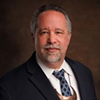
William R. Norman, Jr.William R. Norman, Jr.
Kirke KickingbirdKirke Kickingbird
clock 1:30 pm - 2:00 pm EST

Understanding the IGRA: Structure of Tribal Government Gaming

Explore the IGRA’s regulatory architecture, including Indian lands definitions, game classification distinctions, NIGC oversight authority, Class II gaming controversies, Class III compact negotiation and enforcement mechanics, and the emerging implications for tribal online and mobile gaming operations.

William R. Norman, Jr.William R. Norman, Jr.
Kirke KickingbirdKirke Kickingbird
clock 2:10 pm - 3:10 pm EST

Mobile Betting: Opportunities and Threats to Tribal Government Gaming

Examine post-PASPA sports betting expansion, federal laws affecting tribal wagering, the West Flagler decision’s impact, Interior’s updated compacting regulations, and growing competitive threats from sports prediction market platforms and sweepstakes sportsbooks targeting tribal gaming exclusivity.

William R. Norman, Jr.William R. Norman, Jr.
Kirke KickingbirdKirke Kickingbird
William R. Norman, Jr.

William R. Norman, Jr.
Hobbs, Straus, Dean & Walker, LLP

Kirke Kickingbird

Kirke Kickingbird

Hobbs, Straus, Dean & Walker, LLP

William R. Norman, Jr.

William R. Norman, Jr.

Hobbs, Straus, Dean & Walker, LLP

William Norman has been a partner with Hobbs, Straus, Dean & Walker, LLP since January 2000. Mr. Norman joined Hobbs Straus in 1994, following a two-year clerkship with the U.S. Court of Appeals for the Third Circuit in Philadelphia, Pennsylvania. Mr. Norman’s practice focuses on promoting and defending the rights of Indian tribes and tribal organizations. He advises tribal governments, their agencies, and enterprises on tribal governmental and business infrastructure, from drafting tribal laws to negotiating complex financing transactions. William has wide-ranging experience as a trusted legal advisor and counselor to tribal leadership on matters spanning from assisting leaders in improving tribal citizen/member services to advocating at the highest levels of federal and state government on their behalf.

Education & Credentials

William Norman earned his J.D. from the University of Oklahoma (1992) and a B.B.A. from the University of Central Oklahoma (1989). He is admitted to practice before the United States Supreme Court, multiple federal appellate and district courts, and the Oklahoma and District of Columbia bars, as well as several tribal courts. His credentials reflect extensive experience across federal, state, and tribal legal systems.

Recognition & Leadership

William has received notable recognition for his work in Native American and gaming law. He was named Best Lawyers® 2026 “Lawyer of the Year” in Gaming Law and Native American Law in Oklahoma City and is listed as an Oklahoma Super Lawyer in Native American Law. He also serves as Associate Justice for the Miami Tribe of Oklahoma Appellate Court, reflecting his leadership in tribal jurisprudence.

Professional Involvement

William has been actively engaged in professional and community organizations throughout his career. He serves as Vice Chair of the Indigenous Law Committee of the ABA Section of Environment, Energy, and Resources and is a member of the Oklahoma Indian Bar Association and the American Indian Chamber of Commerce of Oklahoma. He has also served on the boards of several nonprofit organizations supporting Native communities.

Experience

A partner at Hobbs, Straus, Dean & Walker, LLP since 2000, William focuses on protecting and advancing the rights of Indian tribes and tribal organizations. He advises tribal governments on economic development, and gaming matters, including ordinance development, financing transactions, compact negotiations, and regulatory compliance. His work also includes advocacy before federal and state governments and litigation involving tribal sovereignty and tribal lands.
Kirke Kickingbird

Kirke Kickingbird

Hobbs, Straus, Dean & Walker, LLP

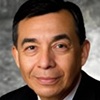
Kirke Kickingbird, a member of the Kiowa Tribe and Kiowa Gourd Clan, has devoted his professional career to helping Indian people get interpretations of the law that will benefit their personal interests as well as the interests of tribal governments. His expertise has enabled him to work effectively in legal, political, academic, and business arenas in order to ensure that the Indian viewpoint is taken seriously. In his work, Kirke has provided training and technical assistance to more than 150 tribal governments within the United States and Canada, and has worked with the United States government and world experts on international treaty issues affecting indigenous people. Kirke joined the firm in 2000 and today is working on gaming issues for Oklahoma tribes and tribal government reform.


Education & Credentials

Kirke Kickingbird earned both his B.A. (1966) and J.D. (1969) from the University of Oklahoma. He is admitted to practice law in Oklahoma and the District of Columbia (inactive). His academic background laid the foundation for a career dedicated to advancing tribal law, governance, and policy.

Recognition & Leadership

He served as Chief Justice of the Supreme Court of the Cheyenne and Arapaho Tribes of Oklahoma and as Chairman of the Oklahoma Indian Affairs Commission. In 1995, he was appointed Special Counsel on Indian Affairs to Oklahoma Governor Frank Keating, advising on policy and legal matters affecting tribal governments.

Professional Involvement

His roles include serving on the Board of Governors of the American Bar Association, President of the Native American Bar Association, and Chair of the Native American Resources Committee within the ABA Section of Environment, Energy and Resources. He has also contributed to legal scholarship and policy through his leadership with the Institute for the Development of Indian Law.

Experience

Kirke has spent decades advocating for tribal interests across legal, academic, and governmental arenas. He has provided training and technical assistance to more than 150 tribal governments in the United States and Canada and currently advises Oklahoma tribes on gaming, governance reform, constitutional revisions, and legislative matters. His work bridges tribal communities, policymakers, and national institutions to advance tribal sovereignty and development.
William R. Norman, Jr.

William R. Norman, Jr.

Hobbs, Straus, Dean & Walker, LLP

William Norman has been a partner with Hobbs, Straus, Dean & Walker, LLP since January 2000. Mr. Norman joined Hobbs Straus in 1994, following a two-year clerkship with the U.S. Court of Appeals for the Third Circuit in Philadelphia, Pennsylvania. Mr. Norman’s practice focuses on promoting and defending the rights of Indian tribes and tribal organizations. He advises tribal governments, their agencies, and enterprises on tribal governmental and business infrastructure, from drafting tribal laws to negotiating complex financing transactions. William has wide-ranging experience as a trusted legal advisor and counselor to tribal leadership on matters spanning from assisting leaders in improving tribal citizen/member services to advocating at the highest levels of federal and state government on their behalf.

Education & Credentials

William Norman earned his J.D. from the University of Oklahoma (1992) and a B.B.A. from the University of Central Oklahoma (1989). He is admitted to practice before the United States Supreme Court, multiple federal appellate and district courts, and the Oklahoma and District of Columbia bars, as well as several tribal courts. His credentials reflect extensive experience across federal, state, and tribal legal systems.

Recognition & Leadership

William has received notable recognition for his work in Native American and gaming law. He was named Best Lawyers® 2026 “Lawyer of the Year” in Gaming Law and Native American Law in Oklahoma City and is listed as an Oklahoma Super Lawyer in Native American Law. He also serves as Associate Justice for the Miami Tribe of Oklahoma Appellate Court, reflecting his leadership in tribal jurisprudence.

Professional Involvement

William has been actively engaged in professional and community organizations throughout his career. He serves as Vice Chair of the Indigenous Law Committee of the ABA Section of Environment, Energy, and Resources and is a member of the Oklahoma Indian Bar Association and the American Indian Chamber of Commerce of Oklahoma. He has also served on the boards of several nonprofit organizations supporting Native communities.

Experience

A partner at Hobbs, Straus, Dean & Walker, LLP since 2000, William focuses on protecting and advancing the rights of Indian tribes and tribal organizations. He advises tribal governments on economic development, and gaming matters, including ordinance development, financing transactions, compact negotiations, and regulatory compliance. His work also includes advocacy before federal and state governments and litigation involving tribal sovereignty and tribal lands.
Kirke Kickingbird

Kirke Kickingbird

Hobbs, Straus, Dean & Walker, LLP

Kirke Kickingbird, a member of the Kiowa Tribe and Kiowa Gourd Clan, has devoted his professional career to helping Indian people get interpretations of the law that will benefit their personal interests as well as the interests of tribal governments. His expertise has enabled him to work effectively in legal, political, academic, and business arenas in order to ensure that the Indian viewpoint is taken seriously. In his work, Kirke has provided training and technical assistance to more than 150 tribal governments within the United States and Canada, and has worked with the United States government and world experts on international treaty issues affecting indigenous people. Kirke joined the firm in 2000 and today is working on gaming issues for Oklahoma tribes and tribal government reform.

Education & Credentials

Kirke Kickingbird earned both his B.A. (1966) and J.D. (1969) from the University of Oklahoma. He is admitted to practice law in Oklahoma and the District of Columbia (inactive). His academic background laid the foundation for a career dedicated to advancing tribal law, governance, and policy.

Recognition & Leadership

He served as Chief Justice of the Supreme Court of the Cheyenne and Arapaho Tribes of Oklahoma and as Chairman of the Oklahoma Indian Affairs Commission. In 1995, he was appointed Special Counsel on Indian Affairs to Oklahoma Governor Frank Keating, advising on policy and legal matters affecting tribal governments.

Professional Involvement

His roles include serving on the Board of Governors of the American Bar Association, President of the Native American Bar Association, and Chair of the Native American Resources Committee within the ABA Section of Environment, Energy and Resources. He has also contributed to legal scholarship and policy through his leadership with the Institute for the Development of Indian Law.

Experience

Kirke has spent decades advocating for tribal interests across legal, academic, and governmental arenas. He has provided training and technical assistance to more than 150 tribal governments in the United States and Canada and currently advises Oklahoma tribes on gaming, governance reform, constitutional revisions, and legislative matters. His work bridges tribal communities, policymakers, and national institutions to advance tribal sovereignty and development.

Credits by state

AK2.0
AL2.0
AR2.0
AZ2.0
CA2.0
CO2.0
CT2.0
DC2.0
DE2.0
FL2.0
GA2.0
HI2.0
IA2.0
ID2.0
IL2.0
IN2.0
KS2.0
KY2.0
LA2.0
MA2.0
MD2.0
ME2.0
MI2.0
MN2.0
MO2.4
MS2.0
MT2.0
NC2.0
ND2.0
NE2.0
NH120.0
NJ2.4
NM2.0
NV2.0
NY2.0
OH2.0
OK2.5
OR2.0
PA2.0
RI2.5
SC2.0
SD2.0
TN2.0
TX2.0
UT2.0
VA2.0
VT2.0
WA2.0
WI2.0
WV2.4
WY2.0

Upcoming Live Online CLE Broadcasts

1000+

Live stream programs

24/7

Access to live webinars & recordings

70,000+

Trusted by Legal Professionals

1000+

Live stream programs

24/7

Access to live webinars & recordings

70,000+

Trusted by Legal Professionals

1000+

Live stream programs

24/7

Access to live webinars & recordings

10,000+

Trusted by Legal Professionals

1000+

Live stream programs

24/7

Access to live webinars & recordings

70,000+

Trusted by Legal Professionals

MCLE Credits

Alabama
Approved
Alaska
Approved
Arizona
Approved
Arkansas
Approved
California
Approved
Colorado
Pending
Connecticut
Approved
Delaware
Pending
District of Columbia
No Required
Florida
Approved
Georgia
Approved
Hawaii
Approved
Idaho
Pending
Illinois
Approved
Indiana
Approved
Iowa
Pending
Kansas
Pending
Kentucky
Pending
Louisiana
Pending
Maine
Pending
Maryland
No Required
Massachusetts
No Required
Michigan
No Required
Minnesota
Approved
Mississippi
Pending
Missouri
Approved
Montana
Pending
Nebraska
Pending
Nevada
Approved
New Hampshire
Approved
New Jersey
Approved
New Mexico
Approved
New York
Approved
North Carolina
Pending
North Dakota
Approved
Ohio
Approved
Oklahoma
Pending
Oregon
Approved
Pennsylvania
Approved
Rhode Island
Pending
South Carolina
Pending
South Dakota
No Required
Tennessee
Approved
Texas
Approved
Utah
Pending
Vermont
Approved
Virginia
Not Eligible
Washington
Approved
West Virginia
Pending
Wisconsin
Approved
Wyoming
Pending

Alabama

Requirements

The Alabama State Bar MCLE Commission requires attorneys to complete 12 credits, including 1 ethics, by December 31 of each year. All credits must be reported by February 15 of the following year. A maximum of 12 credits, including 1 ethics credit, may be carried over for 1 year only.  

Formats

  • Attorneys can earn unlimited “live” credit through live seminars, live webcasts, and co-sponsored locations with MyLAWCLE-Alabama approved programs
  • Attorneys are limited to 6 credits per compliance period of “online” programs through MyLAwCLE On-Demand programs