 12:00 pm - 1:00 pm EST
This session looks at the tools, teams, and legal theories the government uses to build False Claims Act medical-necessity cases against physician practices, hospitals, or health systems. Attorneys will learn how the DOJ-HHS False Claims Act Working Group, the Health Care Fraud Data Fusion Center, and the FOCUS data-mining initiative have changed where cases come from and how damages are calculated, using recent large settlements as examples. Attendees will leave understanding how statistical sampling, electronic health record evidence, billing analytics, and the post-SuperValu standard for proving intent fit together into the government’s case.
 Brandon C. Helms
 J. Taylor Chenery 1:10 pm - 2:10 pm EST
This session gives defense counsel the strategy and tactics needed to resolve or litigate medical-necessity False Claims Act cases against physician practices, hospitals, or health systems. Attorneys will see how settlements are put together — cooperation credit, self-disclosure, and Corporate Integrity Agreement terms — and how to build defenses at the motion-to-dismiss and trial stages using intent, materiality, and damages arguments. Participants will leave with a practical way to measure exposure, manage parallel criminal risk, and negotiate an outcome that keeps the provider running.
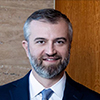
Brandon C. HelmsJ. Taylor CheneryBrandon C. Helms spent eight years as an Assistant U.S. Attorney (civil and criminal) in the Eastern District of Michigan, where he ran grand jury investigations and civil False Claims Act investigations focused on health care fraud and white-collar crime. He is now a shareholder in Hall Render’s health regulatory section in Detroit, where he defends health care clients in federal False Claims Act investigations and litigation, conducts internal investigations, prepares self-disclosures to CMS and HHS-OIG, and answers subpoenas and civil investigative demands. His career spans more than 17 years across government and private practice.
J. Taylor Chenery defends health care providers in Department of Justice investigations and False Claims Act lawsuits, including physician practices, health systems, hospice and home health providers, and Medicare Advantage organizations. A Member of Bass, Berry & Sims PLC in Nashville, he focuses on government investigations and the litigation that follows, with an emphasis on health care fraud and abuse. He also handles complex commercial litigation, from class actions to private arbitrations.
Brandon C. Helms spent eight years as an Assistant U.S. Attorney (civil and criminal) in the Eastern District of Michigan, where he ran grand jury investigations and civil False Claims Act investigations focused on health care fraud and white-collar crime. He is now a shareholder in Hall Render’s health regulatory section in Detroit, where he defends health care clients in federal False Claims Act investigations and litigation, conducts internal investigations, prepares self-disclosures to CMS and HHS-OIG, and answers subpoenas and civil investigative demands. His career spans more than 17 years across government and private practice.
J. Taylor Chenery defends health care providers in Department of Justice investigations and False Claims Act lawsuits, including physician practices, health systems, hospice and home health providers, and Medicare Advantage organizations. A Member of Bass, Berry & Sims PLC in Nashville, he focuses on government investigations and the litigation that follows, with an emphasis on health care fraud and abuse. He also handles complex commercial litigation, from class actions to private arbitrations.