Ready to Register?

MyLawCLE All-Access Pass

Best choice

Add the All-Access Pass and get this program —
plus 1,000+ live CLE programs every year.


All specialty & ethics credits included
38 practice areas
New sections: AI & the Law, Practice Management
100s of current and trending legal topics
Nationally recognized and highly experienced presenters

$395 / year — this program included
Register with the All-Access Pass

This program + 1,000+ CLE programs, all year

Or register for just this program

Live Video Broadcast

Live webinar of this one program.
$195 Register

On-Demand Video

Recorded access + self-study credit.
$195 Register

Officials’ Texts, Chats, and AI Transcripts Under Public Records Laws: Agency Search Protocols and Defending Public Records Lawsuits

One request for a council member’s texts can become a lawsuit over whether the search was complete. Collect officials’ texts, chats, and AI records without taking the phone, set retention rules, craft self-search certifications, and decide whether to produce, supplement, or litigate.

2026-11-30 12:00:00

Program Details

2026-11-30 12:00:00

Program Details

2026-11-30 12:00:00

Over 1,000+ webinars

2026-11-30 12:00:00

Course Overview

The Agency Never Holds the Phone — But It Still Owns the Search

2026-11-30 12:00:00

Government business no longer stays on government systems. Public officials now conduct it on personal phones, disappearing-message apps like Signal, and AI meeting tools such as Microsoft Copilot. Teams chats, AI applications, and notetakers create records every day. The question is no longer only what the agency holds, but what sits on an official’s own device.

The stakes arrive with a single request. Miss a council member’s texts, and the search becomes the lawsuit. Skip written search instructions, and the certification is hard to defend. Leave AI transcripts unclassified, and retention policies for transitory records lose reliability. Mishandle a resistant official, and exposure under the California Public Records Act grows, fee demands included.

This panel walks city and agency attorneys through both stages: preserving and collecting records from personal devices, then defending the search. You leave with a personal-device search certification/affidavit template, a retention and policy guide chart by record type, a guide for drafting strong search criteria and extraction instructions, and an electronic record policy checklist — practitioner judgment for the produce, supplement, or litigate decision.

Format

CLE Credit

2h CLE Credits

Level

Intermediate

Length

2

Key topics that will be covered

01
Proactive Device Guidance
Set communication and personal device guidance before a request arrives, so officials know where government business belongs.
02
Custodian Search Instructions
Give custodians notice and written search instructions, then choose between self-export and neutral-examiner extraction.
03
Defensible Search Certifications
Craft self-search certifications and affidavits that encourage compliance and hold up when the search is challenged.
04
AI and Chat Retention
Configure retention for Teams chat, AI applications, and notetakers, decide whether AI transcripts are official records or transitory drafts, and test how reliable your transitory-record policies are.
05
Pre-Litigation Risk Control
Identify and minimize risk before a suit through strategic and compliant withholding, with a clear view of the scope of public records suits and potential exposure.
06
Post-Filing Strategy
Decide after filing whether to produce, supplement, or stand on the record, and manage resistant officials before and after the suit.

Program schedule

clock 12:00 pm - 1:00 pm EST

Collecting Officials’ Texts, Chats, and AI Records

This session teaches public-body advisory and defense counsel how to collect a council member’s texts, chat messages, and AI records under state records acts without the agency ever taking custody of the phone. The hour runs from proactive communication guidance and retention polices, through the self search certification and the choice between self-export and neutral-examiner extraction, to Teams chat, AI application and notetaker retention settings. This session is led by practitioners who have constructed and managed these searches for officials, created agency retention policies and guidance, and who can speak to current data storage challenges and the pitfalls of record mismanagement in the digital era.
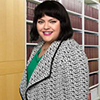
J. Leah CastellaJ. Leah Castella
Alexandra MulhallAlexandra Mulhall
clock 1:10 pm - 2:10 pm EST

Defending Public Bodies in Records-Act Suits Over Incomplete Personal Device Searches

This session teaches defense and advisory counsel to public bodies facing records-act suits that claim an agency search missed an official’s texts or chat messages, or failed to produce them altogether. The hour runs from the identification of litigation risks and common triggers for a public records lawsuit under California law, through the produce, supplement, or litigate decision. The speakers’ experience defending these suits is what turns the statutes and critical decisions into judgment attendees can use: how to navigate pre-litigation interactions with requesters, the role of self-search certifications and affidavits, managing resistant officials, and navigating fee demands.

J. Leah CastellaJ. Leah Castella
Alexandra MulhallAlexandra Mulhall
J. Leah Castella

J. Leah Castella

Burke, Williams & Sorensen, LLP

Alexandra Mulhall

Alexandra Mulhall

Burke, Williams & Sorensen, LLP

J. Leah Castella

J. Leah Castella

Burke, Williams & Sorensen, LLP

Leah Castella is a partner in the Oakland office of Burke, Williams & Sorensen, LLP, and a seasoned public law lawyer, litigator, and appellate advocate. She currently serves as General Counsel of the Iron house Sanitary District, the Valley of the Moon Water District, and the Central Contra Costa Sanitary District, and as Assistant General Counsel for the Union Sanitary District. Deeply familiar with the full range of laws affecting California public agencies—including the Brown Act, the Public Records Act, the Political Reform Act, Proposition 218, and the Public Trust Doctrine—Leah has particular expertise advising public agencies on governance, rate setting, election law, and constitutional law.

Education & Credentials

Leah received her J.D. with Honors from the University of Texas School of Law in 1999 and her B.A. in Philosophy from Lewis & Clark College in 1995. She is admitted to the State Bar of California and before the U.S. Supreme Court, the U.S. Court of Appeals for the Ninth Circuit, and all four U.S. District Courts in California.

Recognition & Leadership

Leah was recognized by Women’s eNews as one of its “21 Leaders for the 21st Century” (2011) and received the 2003 Burton Award for Excellence in Legal Writing. Within the firm, she serves as a partner in its public law and litigation practices, and her leadership extends to multiple public agencies for which she serves as general or assistant general counsel.

Professional Involvement

Leah is the founder and Board Chair of the Women’s Debate Institute and a board member of the Bay Area Urban Debate League, reflecting a longstanding commitment to advocacy education and mentorship. She is also a frequent speaker on public law topics, presenting on subjects such as the Brown Act and public records challenges in the AI era, and she has authored publications on redevelopment dissolution and related public finance matters.

Experience

Over the last decade, Leah has built a team that can be quickly marshalled to assist public agencies across the state with their responses to voluminous and politically sensitive PRA requests.

As a seasoned public law lawyer, Leah is familiar with the full range of laws affecting California public agencies, including the Brown Act, the Public Records Act, the Political Reform Act, Proposition 218, and the Public Trust Doctrine. She has particular expertise advising public agencies on governance, rate setting, election law, and constitutional law.

Leah is also an experienced litigator and appellate advocate. She has handled dozens of cases in state and federal court on behalf of public and private clients. And she has successfully argued over a dozen cases in the California Court of Appeal. Her areas of expertise include eminent domain, inverse condemnation, regulatory takings, municipal finance, government ethics and transparency, and constitutional challenges to local legislative enactments.
Alexandra Mulhall

Alexandra Mulhall

Burke, Williams & Sorensen, LLP

Alexandra (Alex) Mulhall is an associate in the Los Angeles office of Burke, Williams & Sorensen, LLP, and a member of the firm’s Public Law and Litigation practice groups. Alex advises and represents public entity clients on a wide variety of matters, including the California Public Records Act, the Brown Act, election law issues, leasing and grant disputes, constitutional First Amendment issues, and code enforcement. She has defended public entities in litigation ranging from inverse condemnation and premises liability to public contract disputes and Public Records Act matters.


Education & Credentials

Alex earned her J.D. from the University of California, Los Angeles School of Law, where she served as a Managing Editor of the UCLA Journal of Gender & Law and worked as a law fellow for the UCLA Voting Rights Project. During law school, she also interned for the Housing Authority of the City of Los Angeles and the Los Angeles County Counsel’s Government Services Division. Before law school, Alex graduated summa cum laude from the University of Wyoming with a B.A. in Political Science and a minor in the Interdisciplinary Honors Program.

Recognition & Leadership

Alex served as a Managing Editor of the UCLA Journal of Gender & Law. Throughout her undergraduate studies, Alex served in student government which allowed her to engage with both the local city council and state legislature, lobbying for student needs.

Professional Involvement

During law school, Alex interned for the Housing Authority of the City of Los Angeles, as well as the Los Angeles County Counsel in the Government Services Division. Alex also worked for the UCLA Voting Rights Project as a law fellow, assisting in voting rights litigation and policy initiatives.

Experience

Alex frequently advises clients on the California Public Records Act. This includes managing the response to numerous PRA requests, collecting and searching documents, applying exemption analysis to specific documents, and negotiating with PRA requesters. Alex has also conducted extensive research on the Public Records Act, including researching the factors to assess for determining whether chats and text messages from public officials constitute a public record. In addition, Alex has developed and administered trainings about the Public Records Act and defended public entities against claims made under the Public Records Act. Alex has also assisted with the development of record retention schedules and advised clients on appropriate retention practices in light of applicable laws and best practices.

Alex has defended public entities in various types of litigation, including inverse condemnation, premises liability, public contract disputes, and Public Records Act litigation.
J. Leah Castella

J. Leah Castella

Burke, Williams & Sorensen, LLP

Leah Castella is a partner in the Oakland office of Burke, Williams & Sorensen, LLP, and a seasoned public law lawyer, litigator, and appellate advocate. She currently serves as General Counsel of the Iron house Sanitary District, the Valley of the Moon Water District, and the Central Contra Costa Sanitary District, and as Assistant General Counsel for the Union Sanitary District. Deeply familiar with the full range of laws affecting California public agencies—including the Brown Act, the Public Records Act, the Political Reform Act, Proposition 218, and the Public Trust Doctrine—Leah has particular expertise advising public agencies on governance, rate setting, election law, and constitutional law.

Education & Credentials

Leah received her J.D. with Honors from the University of Texas School of Law in 1999 and her B.A. in Philosophy from Lewis & Clark College in 1995. She is admitted to the State Bar of California and before the U.S. Supreme Court, the U.S. Court of Appeals for the Ninth Circuit, and all four U.S. District Courts in California.

Recognition & Leadership

Leah was recognized by Women’s eNews as one of its “21 Leaders for the 21st Century” (2011) and received the 2003 Burton Award for Excellence in Legal Writing. Within the firm, she serves as a partner in its public law and litigation practices, and her leadership extends to multiple public agencies for which she serves as general or assistant general counsel.

Professional Involvement

Leah is the founder and Board Chair of the Women’s Debate Institute and a board member of the Bay Area Urban Debate League, reflecting a longstanding commitment to advocacy education and mentorship. She is also a frequent speaker on public law topics, presenting on subjects such as the Brown Act and public records challenges in the AI era, and she has authored publications on redevelopment dissolution and related public finance matters.

Experience

Over the last decade, Leah has built a team that can be quickly marshalled to assist public agencies across the state with their responses to voluminous and politically sensitive PRA requests.

As a seasoned public law lawyer, Leah is familiar with the full range of laws affecting California public agencies, including the Brown Act, the Public Records Act, the Political Reform Act, Proposition 218, and the Public Trust Doctrine. She has particular expertise advising public agencies on governance, rate setting, election law, and constitutional law.

Leah is also an experienced litigator and appellate advocate. She has handled dozens of cases in state and federal court on behalf of public and private clients. And she has successfully argued over a dozen cases in the California Court of Appeal. Her areas of expertise include eminent domain, inverse condemnation, regulatory takings, municipal finance, government ethics and transparency, and constitutional challenges to local legislative enactments.
Alexandra Mulhall

Alexandra Mulhall

Burke, Williams & Sorensen, LLP

Alexandra (Alex) Mulhall is an associate in the Los Angeles office of Burke, Williams & Sorensen, LLP, and a member of the firm’s Public Law and Litigation practice groups. Alex advises and represents public entity clients on a wide variety of matters, including the California Public Records Act, the Brown Act, election law issues, leasing and grant disputes, constitutional First Amendment issues, and code enforcement. She has defended public entities in litigation ranging from inverse condemnation and premises liability to public contract disputes and Public Records Act matters.

Education & Credentials

Alex earned her J.D. from the University of California, Los Angeles School of Law, where she served as a Managing Editor of the UCLA Journal of Gender & Law and worked as a law fellow for the UCLA Voting Rights Project. During law school, she also interned for the Housing Authority of the City of Los Angeles and the Los Angeles County Counsel’s Government Services Division. Before law school, Alex graduated summa cum laude from the University of Wyoming with a B.A. in Political Science and a minor in the Interdisciplinary Honors Program.

Recognition & Leadership

Alex served as a Managing Editor of the UCLA Journal of Gender & Law. Throughout her undergraduate studies, Alex served in student government which allowed her to engage with both the local city council and state legislature, lobbying for student needs.

Professional Involvement

During law school, Alex interned for the Housing Authority of the City of Los Angeles, as well as the Los Angeles County Counsel in the Government Services Division. Alex also worked for the UCLA Voting Rights Project as a law fellow, assisting in voting rights litigation and policy initiatives.

Experience

Alex frequently advises clients on the California Public Records Act. This includes managing the response to numerous PRA requests, collecting and searching documents, applying exemption analysis to specific documents, and negotiating with PRA requesters. Alex has also conducted extensive research on the Public Records Act, including researching the factors to assess for determining whether chats and text messages from public officials constitute a public record. In addition, Alex has developed and administered trainings about the Public Records Act and defended public entities against claims made under the Public Records Act. Alex has also assisted with the development of record retention schedules and advised clients on appropriate retention practices in light of applicable laws and best practices.

Alex has defended public entities in various types of litigation, including inverse condemnation, premises liability, public contract disputes, and Public Records Act litigation.

Credits by state

AK2.0
AL2.0
AR2.0
AZ2.0
CA2.0
CO2.0
CT2.0
DC2.0
DE2.0
FL2.0
GA2.0
HI2.0
IA2.0
ID2.0
IL2.0
IN2.0
KS2.0
KY2.0
LA2.0
MA2.0
MD2.0
ME2.0
MI2.0
MN2.0
MO2.4
MS2.0
MT2.0
NC2.0
ND2.0
NE2.0
NH120.0
NJ2.0
NM2.0
NV2.0
NY2.0
OH2.0
OK2.5
OR2.0
PA2.0
RI2.5
SC2.0
SD2.0
TN2.0
TX2.0
UT2.0
VA2.0
VT2.0
WA2.0
WI2.0
WV2.4
WY2.0

Upcoming Live Online CLE Broadcasts

1000+

Live stream programs

24/7

Access to live webinars & recordings

70,000+

Trusted by Legal Professionals

1000+

Live stream programs

24/7

Access to live webinars & recordings

70,000+

Trusted by Legal Professionals

1000+

Live stream programs

24/7

Access to live webinars & recordings

10,000+

Trusted by Legal Professionals

1000+

Live stream programs

24/7

Access to live webinars & recordings

70,000+

Trusted by Legal Professionals

MCLE Credits

Alabama
Pending
Alaska
Approved
Arizona
Approved
Arkansas
Approved
California
Approved
Colorado
Pending
Connecticut
Approved
Delaware
Pending
District of Columbia
No Required
Florida
Pending
Georgia
Pending
Hawaii
Approved
Idaho
Pending
Illinois
Pending
Indiana
Pending
Iowa
Pending
Kansas
Pending
Kentucky
Pending
Louisiana
Pending
Maine
Pending
Maryland
No Required
Massachusetts
No Required
Michigan
No Required
Minnesota
Pending
Mississippi
Pending
Missouri
Approved
Montana
Pending
Nebraska
Pending
Nevada
Pending
New Hampshire
Approved
New Jersey
Approved
New Mexico
Approved
New York
Approved
North Carolina
Pending
North Dakota
Approved
Ohio
Pending
Oklahoma
Pending
Oregon
Pending
Pennsylvania
Approved
Rhode Island
Pending
South Carolina
Pending
South Dakota
No Required
Tennessee
Pending
Texas
Approved
Utah
Pending
Vermont
Approved
Virginia
Not Eligible
Washington
Approved
West Virginia
Pending
Wisconsin
Pending
Wyoming
Pending

Alabama

Requirements

The Alabama State Bar MCLE Commission requires attorneys to complete 12 credits, including 1 ethics, by December 31 of each year. All credits must be reported by February 15 of the following year. A maximum of 12 credits, including 1 ethics credit, may be carried over for 1 year only.  

Formats

  • Attorneys can earn unlimited “live” credit through live seminars, live webcasts, and co-sponsored locations with MyLAWCLE-Alabama approved programs
  • Attorneys are limited to 6 credits per compliance period of “online” programs through MyLAwCLE On-Demand programs