2:30 pm - 3:30 pm EST
This session walks fee opponents, the defendants and losing contract parties ordered to pay fees, through building a line-item fee opposition from the applicant’s own time records. Attorneys will learn how to obtain the native billing export without opening their own billing to discovery, how to code entries into totaled objection categories, what the July 2026 decision in Del Biaggio v. Bansen means for block billing and paralegal time, how to choose between the Ninth Circuit’s unexplained 10% haircut under Moreno v. City of Sacramento and explained line-item cuts under Gonzalez v. City of Maywood, and how federal-scale files such as In re Google Real-Time Bidding structure layered reductions. Attendees will leave with a category-exhibit template, a sequencing checklist, and a clear view of the objections that backfire.
 John D. O’Connor 3:40 pm - 4:40 pm EST
This session takes paying-party counsel through holding down the hourly rate and defeating valuation methods and multipliers when opposing a prevailing party’s fee motion. Attorneys will learn why the rate attack in Del Biaggio v. Bansen failed for lack of market evidence, how to build a rate-impeachment record from prior awards, actual billing evidence, and rate schedules such as the Fitzpatrick Matrix, how to respond to mid-case rate increases and low-level work billed at full rates, how the 2026 In re Google RTB order supports an alternative lodestar figure and a deferral request, how to oppose a multiplier without conceding exceptional results, and how to distinguish Rodriguez v. Google as a comparator. Attendees will leave with a rate-evidence checklist, an alternative-figure worksheet, and a framework for deciding whether to retain a fee auditor or rate expert.
 Benjamin J. Pekarek
 practices with O’Connor and Associates in San Francisco, a litigation boutique with recognized excellence in trial practice and an expertise in attorney fee disputes, where he works primarily in business litigation and attorney fee consultation. Drawing on a solid foundation in accounting and finance, he reviews legal invoices, cuts through cryptic and ambiguous descriptions of services, and synthesizes a case’s billings into easily digestible demonstratives that lay the foundation for the firm’s expert analysis of whether the hours billed on a given task, and on a case as a whole, are reasonable. He is especially well suited to this program: line-by-line review of attorney invoices, specialized review of billing-guideline compliance for insurance carriers and other clients, and concurrent legal and business graduate training with a concentration in corporate finance, bringing the perspective of a practitioner who turns raw time records into evidence a court can use.
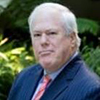
John D. O’Connor is the Principal of O’Connor and Associates in San Francisco, where he is regularly retained as both an expert and a litigator in attorney fee disputes and as a confidential fee consultant. He has more than 50 years of litigation experience, ranging from personal injury to civil rights, employment, and complex business cases, and for more than 40 years a significant part of his work has been the evaluation, litigation, and resolution of attorney fee issues for both fee payors and fee petitioners. He is especially well suited to this program: acceptance as an expert witness in more than 300 cases, representation of fee payors under fee-shifting statutes as an Assistant United States Attorney and for county and municipal governments, and consultation on hundreds of adversarial legal fee disputes, bringing the perspective of a fee expert whose analyses courts have repeatedly adopted.
Benjamin J. Pekarek practices with O’Connor and Associates in San Francisco, a litigation boutique with recognized excellence in trial practice and an expertise in attorney fee disputes, where he works primarily in business litigation and attorney fee consultation. Drawing on a solid foundation in accounting and finance, he reviews legal invoices, cuts through cryptic and ambiguous descriptions of services, and synthesizes a case’s billings into easily digestible demonstratives that lay the foundation for the firm’s expert analysis of whether the hours billed on a given task, and on a case as a whole, are reasonable. He is especially well suited to this program: line-by-line review of attorney invoices, specialized review of billing-guideline compliance for insurance carriers and other clients, and concurrent legal and business graduate training with a concentration in corporate finance, bringing the perspective of a practitioner who turns raw time records into evidence a court can use.
John D. O’Connor is the Principal of O’Connor and Associates in San Francisco, where he is regularly retained as both an expert and a litigator in attorney fee disputes and as a confidential fee consultant. He has more than 50 years of litigation experience, ranging from personal injury to civil rights, employment, and complex business cases, and for more than 40 years a significant part of his work has been the evaluation, litigation, and resolution of attorney fee issues for both fee payors and fee petitioners. He is especially well suited to this program: acceptance as an expert witness in more than 300 cases, representation of fee payors under fee-shifting statutes as an Assistant United States Attorney and for county and municipal governments, and consultation on hundreds of adversarial legal fee disputes, bringing the perspective of a fee expert whose analyses courts have repeatedly adopted.