2:30 pm - 3:30 pm EST
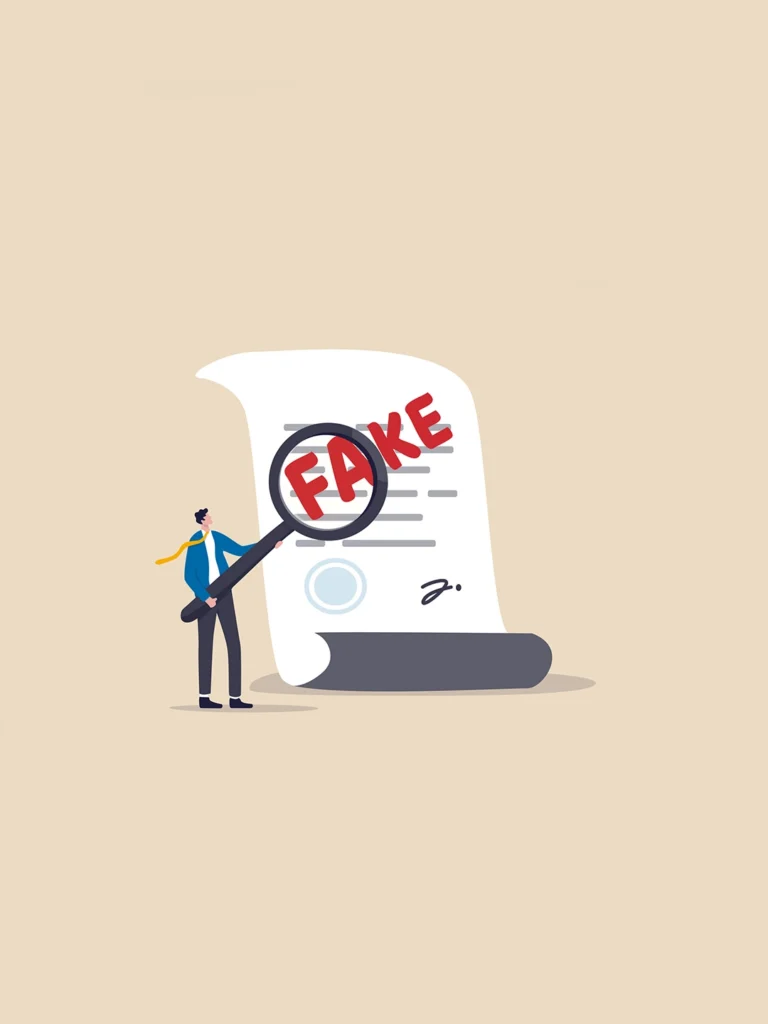
This session begins with the discovery, by opposing counsel, the court, or self-reporting and the immediate response and preservation steps. The panel then walks through the sanctions framework: Rule 11, the safe harbor, court-initiated sanctions, inherent authority, and other sanctions mechanisms available to the court or the sanction-seeking party, before turning to the strategic considerations once a fabricated citation is identified in a filed submission, correct, withdraw, or defend.
Attendees learn how to investigate the failure, including how the citation entered the brief, what courts want to know, and the role of prompts, drafts, supervision, and verification procedures, along with the ethical duties implicated by AI-generated citation errors: candor, competence, and supervision.
The session closes with the sanctions response, themes that have resonated with courts, effective remediation efforts, and common mistakes that worsen the situation and the sanctions hearing itself: preparing witnesses, presenting mitigation evidence, and addressing questions concerning AI use and attorney oversight, with lessons from the leading decisions on how courts have assessed AI citation failures and the factors that appear to drive outcomes.
 Ronald C. Minkoff
 Jeremy Bates
 Chessie da Parma 3:40 pm - 4:40 pm EST
The second hour follows what comes after the sanction and what recovery actually looks like. It begins with the bar or grievance referral: what it triggers, how the AI-citation discipline matters have unfolded, and what disciplinary authorities weigh, pattern versus one-off, candor in the proceeding, remediation already done. The session then turns to whose sanction it is when the draft wasn’t yours, how courts have split consequences among signing partner, drafting associate, local counsel, and co-counsel, and how each seat is defended and to appealing the sanctions order: abuse-of-discretion review and the arguments with traction.
On the institutional side, the carrier: notice obligations, the AI-specific exclusions appearing in policies, the documentation that supports coverage, and the discoverability of AI drafting materials and the client: Rule 1.4 disclosure, when the error forces withdrawal, fee consequences, and the successor-counsel handoff.
The hour ends with the comeback, reinstatement, court-ordered compliance, the firm AI policies that read as mitigation when adopted after an incident and a closing from the defense bar on the five decisions that most reliably separate a survivable mistake from a career event.
 Amy Richardson
Ronald C. Minkoff is a partner in the Litigation Group at Frankfurt Kurnit Klein & Selz and chair of the firm’s Professional Responsibility Group. He served as defense counsel to attorney Steven Schwartz and the firm Levidow, Levidow & Oberman in the sanctions proceedings over a court filing built on fake case citations generated by ChatGPT. One of New York State’s leading practitioners in attorney ethics and professional responsibility, he represents lawyers in attorney discipline cases, legal malpractice and professional liability litigation, and legal fee disputes, provides ethics opinions to law firm clients, and often serves as an expert witness in malpractice and fee matters.
Amy E. Richardson is a Shareholder in Maynard Nexsen PC’s Litigation and Government Investigations & White-Collar Defense practice groups, practicing from the firm’s Raleigh, North Carolina and Washington, D.C. offices. Her work centers on legal ethics and professional responsibility, white-collar defense, and complex commercial litigation. She counsels and represents lawyers and law firms in disciplinary investigations, prosecutions, malpractice matters, and high-stakes arbitration, and guides legal-industry clients through shareholder admissions and departures and law firm dissolutions.
Jeremy Bates is Counsel to the Legal Ethics & Professional Responsibility and Litigation Groups at Frankfurt Kurnit Klein & Selz, with a practice focused on lawyers and law firms. He defends professional clients against claims of litigation misconduct, legal malpractice, breach of fiduciary duty, defamation, and fraud, represents attorneys in grievance matters, and handles fee disputes. In a case arising out of a cross-border acquisition, he wrote a motion for sanctions that the U.S. District Court for the Southern District of New York granted.
Chessie da Parma is an associate in the Litigation and Legal Ethics & Professional Responsibility Groups at Frankfurt Kurnit and a dual-qualified attorney and solicitor. She writes on AI-hallucination sanctions for the firm’s technology law blog, and she advises companies and individuals across a wide range of disputes, including professional responsibility issues, commercial litigation, and intellectual property matters.