Annual Pass Exclusive

This Class is Exclusive to Annual Pass Members

This program is only available to myLawCLE All-Access Pass subscribers. Subscribe now to unlock this class along with 1,000+ live webinars for only $395/yr — including 60+ new programs added every month.

Subscribe to All-Access Pass – $395

Beyond Boilerplate: Ethics, AI, and Efficiency in Discovery under the Federal Rules

Master federal discovery obligations under FRCP and ABA ethics rules, including ESI handling, privilege logs, and AI-assisted review.

2025-11-06 14:00:00

1 hours

Program Details

2025-11-06 14:00:00

2025-11-06 14:00:00

Over 1,000+ webinars

2025-11-06 14:00:00

1 hours

Program Details

2025-11-06 14:00:00

Program Details

2025-11-06 14:00:00

Over 1,000+ webinars

2025-11-06 14:00:00

1 hours

1000+

Live stream programs

24/7

Access to live webinars & recordings

70,000+

Trusted by Legal Professionals

1000+

Live stream programs

24/7

Access to live webinars & recordings

70,000+

Trusted by Legal Professionals

1000+

Live stream programs

24/7

Access to live webinars & recordings

10,000+

Trusted by Legal Professionals

1000+

Live stream programs

24/7

Access to live webinars & recordings

70,000+

Trusted by Legal Professionals

Course Overview

Mastering Federal Discovery Obligations and Ethics

2025-11-06 14:00:00

Participants will learn to navigate preservation duties, privilege logging, ESI handling, and AI tool ethics under Federal Rules and ABA Model Rules. These skills ensure defensible, efficient discovery practice.

Format

CLE Credit

1h CLE Credits

Level

Intermediate

Length

1

Key topics that will be covered

01
Preservation Duties
Litigation holds must cover email, ESI, personal devices, and cloud storage.
02
Privilege Logs
Logs must now cover Zoom transcripts, Teams communications, and AI-generated materials.
03
AI Ethics
AI-assisted review requires lawyer supervision and may require informed client consent.
04
Boilerplate Objections
Generic objections without specificity risk waiver of all objections except privilege.
05
Spoliation Risk
Failure to preserve texts can result in adverse inference instructions and fees.
06
Cooperation Strategy
Judges expect candor, efficiency, and proportionality in discovery practice.

Program schedule

clock 2:00 pm - 2:05 pm EST

Learning Objectives and CLE Competency Overview

This opening session outlines the critical competencies practitioners need for handling federal discovery matters. Attendees will learn what ethical duties, procedural rules, and practical strategies the program will address.

Jeanne M. HueyJeanne M. Huey
Richard HuntRichard Hunt
clock 2:05 pm - 2:15 pm EST

FRCP and ABA Model Rules Discovery Framework

This session covers foundational federal rules including Rules 26, 34, and 37 governing scope, proportionality, privilege logs, and sanctions. Attendees will also explore ABA Model Rules on competence, confidentiality, supervision, and the landmark ABA Opinion 512 on generative AI.

Jeanne M. HueyJeanne M. Huey
Richard HuntRichard Hunt
clock 2:15 pm - 2:30 pm EST

Preservation Duties and Practical Discovery Strategies

Learn when preservation obligations are triggered and how to implement effective litigation holds covering email, ESI, personal devices, and cloud storage. This session also addresses strategies for drafting targeted discovery requests and avoiding boilerplate objections that courts increasingly reject.

Jeanne M. HueyJeanne M. Huey
Richard HuntRichard Hunt
clock 2:30 pm - 2:45 pm EST

Privilege Logs and AI-Assisted Review Challenges

This session examines evolving privilege log requirements covering Zoom transcripts, Teams chats, and AI-generated materials. Attendees will learn supervision obligations for AI vendors, confidentiality risks with generative AI tools, and why cooperation serves both ethical duties and client interests.

Jeanne M. HueyJeanne M. Huey
Richard HuntRichard Hunt
clock 2:45 pm - 2:55 pm EST

Interactive Hypotheticals Applying Discovery Principles

Work through three realistic scenarios: inadvertent production of a Zoom transcript, boilerplate objections combined with AI vendor review issues, and spoliation of text messages on personal devices. These exercises reinforce competence, confidentiality, and sanctions considerations discussed throughout the program.

Jeanne M. HueyJeanne M. Huey
Richard HuntRichard Hunt
clock 2:55 pm - 3:00 pm EST

Key Takeaways and Closing Principles

The program concludes with essential principles: competence plus candor equals credibility, proportionality is your ally, and efficiency is ethical. Attendees leave with actionable guidance on evolving privilege logs and comprehensive preservation practices.

Jeanne M. HueyJeanne M. Huey
Richard HuntRichard Hunt
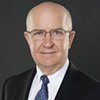
Jeanne M. Huey

Jeanne M. Huey

Hunt Huey PLLC

Richard Hunt

Richard Hunt

Hunt Huey PLLC

Jeanne M. Huey

Jeanne M. Huey

Hunt Huey PLLC

Jeanne is a trial lawyer, mediator, and legal ethics consultant with 27 years of experience in civil litigation. Since 2017, she has focused her practice on helping lawyers and law firms manage complex ethics challenges that arise during litigation.

Recognition & Leadership

Recognized as a Super Lawyer for ten consecutive years. Sought-after CLE presenter, author, and podcast guest on ethics and professionalism.

Professional Involvement

Since 2023 has served as Co-Chair of the ABA Litigation Section's Ethics and Professionalism Committee. Blogs at www.legalethicstoday.com.

Experience

Frequently serves as special counsel in disputes in litigation involving motions to disqualify, motions to withdraw, and sanctions related to alleged misconduct. Defends Texas lawyers before the disciplinary authority and advises attorneys on professional responsibility questions, including privilege, confidentiality, reporting misconduct, and withdrawal from representation. Serves as an expert witness on ethics issues.
Richard Hunt

Richard Hunt

Hunt Huey PLLC

Richard Hunt is a Texas Board Certified Civil Trial Lawyer and partner at Hunt Huey PLLC in Dallas, with more than forty years of experience representing businesses and individuals in litigation, arbitration, and mediation. His practice is centered on the disability rights provisions of the Americans with Disabilities Act and the Fair Housing Act, providing both defense representation and compliance consulting to a national client base spanning real estate developers, retailers, restaurants, shopping centers, banks, apartment owners, hotels, and governmental entities. Richard is AV Rated by Martindale-Hubbell and is a Thomson Reuters Super Lawyer. He is the author of Accessibility Defense (accessdefense.com), a nationally recognized blog serving as a resource for attorneys, accessibility professionals, and others involved in ADA and FHA litigation. He has served as an adjunct professor of Disability Law at the SMU Dedman School of Law, an adjunct professor of Trial Advocacy at Texas Wesleyan School of Law, and on the Examination Committee for Civil Trial Certification for the Texas Board of Legal Specialization. He holds a B.A. in English and German (1978) and a J.D. (1981), and has been Board Certified in Civil Trial Law since 1990.


Education & Credentials

Richard holds a Bachelor of Arts in English and German (1978) and a Juris Doctor (1981). He has been Board Certified in Civil Trial Law by the Texas Board of Legal Specialization since 1990 — the highest trial lawyer credential available in Texas — and served for many years on the Examination Committee for Civil Trial Certification, helping to set the standards for the very credential he holds. He is admitted to practice in the U.S. District Courts for the Eastern, Northern, Southern, and Western Districts of Texas. He is AV Rated by Martindale-Hubbell, the highest rating for both legal ability and ethical standards. His adjunct teaching appointments at SMU Dedman School of Law (Disability Law) and Texas Wesleyan School of Law (Trial Advocacy) reflect sustained academic engagement alongside his active litigation practice.

Recognition & Leadership

Richard is a Thomson Reuters Super Lawyer, AV Rated by Martindale-Hubbell, and Texas Board Certified in Civil Trial Law since 1990 — a combination of peer-recognition honors reflecting sustained excellence over four decades of practice. He has been interviewed and quoted in Forbes, The Economist, and other national publications on ADA and FHA litigation and compliance, establishing him as a nationally recognized commentator and authority in this space. His Accessibility Defense blog has become a go-to national resource for attorneys and accessibility professionals engaged in ADA and FHA litigation, demonstrating the breadth and reach of his influence beyond the courtroom. His long service on the Texas Board of Legal Specialization's Civil Trial Certification Examination Committee reflects institutional recognition of his expertise by the state body responsible for certifying the best trial lawyers in Texas.

Professional Involvement

Richard speaks frequently on ADA and FHA accessibility issues to national and local organizations, including the International Council of Shopping Center Developers, the Society of Exchange Counselors, the National Retail Tenants Association, and the American Bar Association. He provides public webinars and private client training on avoiding and defending ADA and FHA lawsuits and has presented on professional responsibility topics as well. He teaches Disability Law at SMU Dedman School of Law, reinforcing his commitment to educating both practitioners and students on the evolving landscape of accessibility compliance and litigation.

Experience

Richard Hunt has spent more than forty years at the intersection of civil trial practice and disability rights law — a combination that makes him one of the most experienced and credentialed defense practitioners in ADA and FHA accessibility litigation in the country. His national consulting and defense practice spans the full range of entities subject to ADA and FHA obligations, from shopping centers and restaurants to hotels, apartment complexes, and governmental entities. His Accessibility Defense blog, his national speaking record, his SMU and Texas Wesleyan adjunct appointments, his Board Certification since 1990, and his media presence in Forbes and The Economist collectively define a career of exceptional depth and national influence in a practice area where few practitioners can match his combination of trial experience, academic engagement, and thought leadership.
Jeanne M. Huey

Jeanne M. Huey

Hunt Huey PLLC

Jeanne is a trial lawyer, mediator, and legal ethics consultant with 27 years of experience in civil litigation. Since 2017, she has focused her practice on helping lawyers and law firms manage complex ethics challenges that arise during litigation.

Recognition & Leadership

Recognized as a Super Lawyer for ten consecutive years. Sought-after CLE presenter, author, and podcast guest on ethics and professionalism.

Professional Involvement

Since 2023 has served as Co-Chair of the ABA Litigation Section's Ethics and Professionalism Committee. Blogs at www.legalethicstoday.com.

Experience

Frequently serves as special counsel in disputes in litigation involving motions to disqualify, motions to withdraw, and sanctions related to alleged misconduct. Defends Texas lawyers before the disciplinary authority and advises attorneys on professional responsibility questions, including privilege, confidentiality, reporting misconduct, and withdrawal from representation. Serves as an expert witness on ethics issues.
Richard Hunt

Richard Hunt

Hunt Huey PLLC

Richard Hunt is a Texas Board Certified Civil Trial Lawyer and partner at Hunt Huey PLLC in Dallas, with more than forty years of experience representing businesses and individuals in litigation, arbitration, and mediation. His practice is centered on the disability rights provisions of the Americans with Disabilities Act and the Fair Housing Act, providing both defense representation and compliance consulting to a national client base spanning real estate developers, retailers, restaurants, shopping centers, banks, apartment owners, hotels, and governmental entities. Richard is AV Rated by Martindale-Hubbell and is a Thomson Reuters Super Lawyer. He is the author of Accessibility Defense (accessdefense.com), a nationally recognized blog serving as a resource for attorneys, accessibility professionals, and others involved in ADA and FHA litigation. He has served as an adjunct professor of Disability Law at the SMU Dedman School of Law, an adjunct professor of Trial Advocacy at Texas Wesleyan School of Law, and on the Examination Committee for Civil Trial Certification for the Texas Board of Legal Specialization. He holds a B.A. in English and German (1978) and a J.D. (1981), and has been Board Certified in Civil Trial Law since 1990.

Education & Credentials

Richard holds a Bachelor of Arts in English and German (1978) and a Juris Doctor (1981). He has been Board Certified in Civil Trial Law by the Texas Board of Legal Specialization since 1990 — the highest trial lawyer credential available in Texas — and served for many years on the Examination Committee for Civil Trial Certification, helping to set the standards for the very credential he holds. He is admitted to practice in the U.S. District Courts for the Eastern, Northern, Southern, and Western Districts of Texas. He is AV Rated by Martindale-Hubbell, the highest rating for both legal ability and ethical standards. His adjunct teaching appointments at SMU Dedman School of Law (Disability Law) and Texas Wesleyan School of Law (Trial Advocacy) reflect sustained academic engagement alongside his active litigation practice.

Recognition & Leadership

Richard is a Thomson Reuters Super Lawyer, AV Rated by Martindale-Hubbell, and Texas Board Certified in Civil Trial Law since 1990 — a combination of peer-recognition honors reflecting sustained excellence over four decades of practice. He has been interviewed and quoted in Forbes, The Economist, and other national publications on ADA and FHA litigation and compliance, establishing him as a nationally recognized commentator and authority in this space. His Accessibility Defense blog has become a go-to national resource for attorneys and accessibility professionals engaged in ADA and FHA litigation, demonstrating the breadth and reach of his influence beyond the courtroom. His long service on the Texas Board of Legal Specialization's Civil Trial Certification Examination Committee reflects institutional recognition of his expertise by the state body responsible for certifying the best trial lawyers in Texas.

Professional Involvement

Richard speaks frequently on ADA and FHA accessibility issues to national and local organizations, including the International Council of Shopping Center Developers, the Society of Exchange Counselors, the National Retail Tenants Association, and the American Bar Association. He provides public webinars and private client training on avoiding and defending ADA and FHA lawsuits and has presented on professional responsibility topics as well. He teaches Disability Law at SMU Dedman School of Law, reinforcing his commitment to educating both practitioners and students on the evolving landscape of accessibility compliance and litigation.

Experience

Richard Hunt has spent more than forty years at the intersection of civil trial practice and disability rights law — a combination that makes him one of the most experienced and credentialed defense practitioners in ADA and FHA accessibility litigation in the country. His national consulting and defense practice spans the full range of entities subject to ADA and FHA obligations, from shopping centers and restaurants to hotels, apartment complexes, and governmental entities. His Accessibility Defense blog, his national speaking record, his SMU and Texas Wesleyan adjunct appointments, his Board Certification since 1990, and his media presence in Forbes and The Economist collectively define a career of exceptional depth and national influence in a practice area where few practitioners can match his combination of trial experience, academic engagement, and thought leadership.

Credits by state

AK1.0
AL1.0
AR1.0
AZ1.0
CA1.0
CO1.0
CT1.0
DC1.0
DE1.0
FL1.0
GA1.0
HI1.0
IA1.0
ID1.0
IL1.0
IN1.0
KS1.0
KY1.0
LA1.0
MA1.0
MD1.0
ME1.0
MI1.0
MN1.0
MO1.2
MS1.0
MT1.0
NC1.0
ND1.0
NE1.0
NH60.0
NJ1.2
NM1.0
NV1.0
NY1.0
OH1.0
OK1.0
OR1.0
PA1.0
RI1.0
SC1.0
SD1.0
TN1.0
TX1.0
UT1.0
VA1.0
VT1.0
WA1.0
WI1.0
WV1.2
WY1.0

Legal updates that every attorney needs to know

MCLE Credits

Alabama
Pending
Alaska
Approved
Arizona
Approved
Arkansas
Approved
California
Approved
Colorado
Approved
Connecticut
Approved
Delaware
Pending
District of Columbia
No Required
Florida
Approved
Georgia
Approved
Hawaii
Approved
Idaho
Pending
Illinois
Approved
Indiana
Approved
Iowa
Approved
Kansas
Pending
Kentucky
Approved
Louisiana
Approved
Maine
Pending
Maryland
No Required
Massachusetts
No Required
Michigan
No Required
Minnesota
Approved
Mississippi
Approved
Missouri
Approved
Montana
Pending
Nebraska
Pending
Nevada
Approved
New Hampshire
Approved
New Jersey
Approved
New Mexico
Approved
New York
Approved
North Carolina
Pending
North Dakota
Approved
Ohio
Approved
Oklahoma
Approved
Oregon
Pending
Pennsylvania
Approved
Rhode Island
Pending
South Carolina
Pending
South Dakota
No Required
Tennessee
Approved
Texas
Approved
Utah
Pending
Vermont
Approved
Virginia
Not Eligible
Washington
Approved
West Virginia
Approved
Wisconsin
Approved
Wyoming
Pending

Alabama

Requirements

The Alabama State Bar MCLE Commission requires attorneys to complete 12 credits, including 1 ethics, by December 31 of each year. All credits must be reported by February 15 of the following year. A maximum of 12 credits, including 1 ethics credit, may be carried over for 1 year only.  

Formats

  • Attorneys can earn unlimited “live” credit through live seminars, live webcasts, and co-sponsored locations with MyLAWCLE-Alabama approved programs
  • Attorneys are limited to 6 credits per compliance period of “online” programs through MyLAwCLE On-Demand programs