
 1:00 pm - 2:00 pm EST
This session provides a comprehensive foundation on grantor trusts, exploring their historical development as a response to income-shifting strategies and the Internal Revenue Code Sections 671-678 that govern them. Participants will learn the five key triggers that cause a trust to be treated as a grantor trust: reversionary interests, control of beneficial enjoyment, administrative powers, revocation powers, and income for the grantor’s benefit.
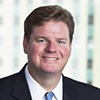 David F. Johnson
 Brian M. Seelinger 2:00 pm - 2:10 pm EST
A brief intermission allowing participants to refresh before continuing with practical applications of grantor trust principles. Use this time to review notes and prepare questions for the upcoming material.
David F. JohnsonBrian M. Seelinger 2:10 pm - 3:10 pm ESTThis session examines practical use cases for grantor trusts including probate avoidance, Medicaid planning, leveraged gifting, and business succession planning. Participants will also explore common pitfalls involving grantor definitions, income reporting methods, and critical drafting considerations for balancing estate and income tax objectives.
David F. JohnsonBrian M. Seelinger 3:10 pm - 3:20 pm ESTA short break between the grantor trust primer and the ethics session. Participants can transition their focus to the ethical considerations that will be addressed in the final session.
David F. JohnsonBrian M. Seelinger 3:20 pm - 4:20 pm ESTThis session addresses critical ethical challenges facing trusts and estates practitioners, including determining client identity when individuals serve in multiple capacities and navigating joint representation conflicts. Participants will examine confidentiality issues under ABA Model Rules 1.6 and 1.7, handling clients with diminished capacity under Rule 1.14, and the ethical considerations when attorneys serve as fiduciaries.
David F. JohnsonBrian M. SeelingerDavid has specialized in estate and trust disputes including will contests, mental competency issues, undue influence, trust modification/clarification, breach of fiduciary duty and related claims, and accountings. David is a unique lawyer in that he has extensive trial and appellate experience, which has resulted in his achieving board certifications in civil trial law, civil appellate, and personal injury trial law by the Texas Board of Legal Specialization.
Brian has spent his career solving complex financial challenges with a compassionate yet process-oriented methodology. His breadth of experience across roles and industries provides clients a 360 degree view of situations, often providing unique but simple solutions while also able to engage in the most complex financial situations.
David has specialized in estate and trust disputes including will contests, mental competency issues, undue influence, trust modification/clarification, breach of fiduciary duty and related claims, and accountings. David is a unique lawyer in that he has extensive trial and appellate experience, which has resulted in his achieving board certifications in civil trial law, civil appellate, and personal injury trial law by the Texas Board of Legal Specialization.
Brian has spent his career solving complex financial challenges with a compassionate yet process-oriented methodology. His breadth of experience across roles and industries provides clients a 360 degree view of situations, often providing unique but simple solutions while also able to engage in the most complex financial situations.