12:00 pm - 1:00 pm EST
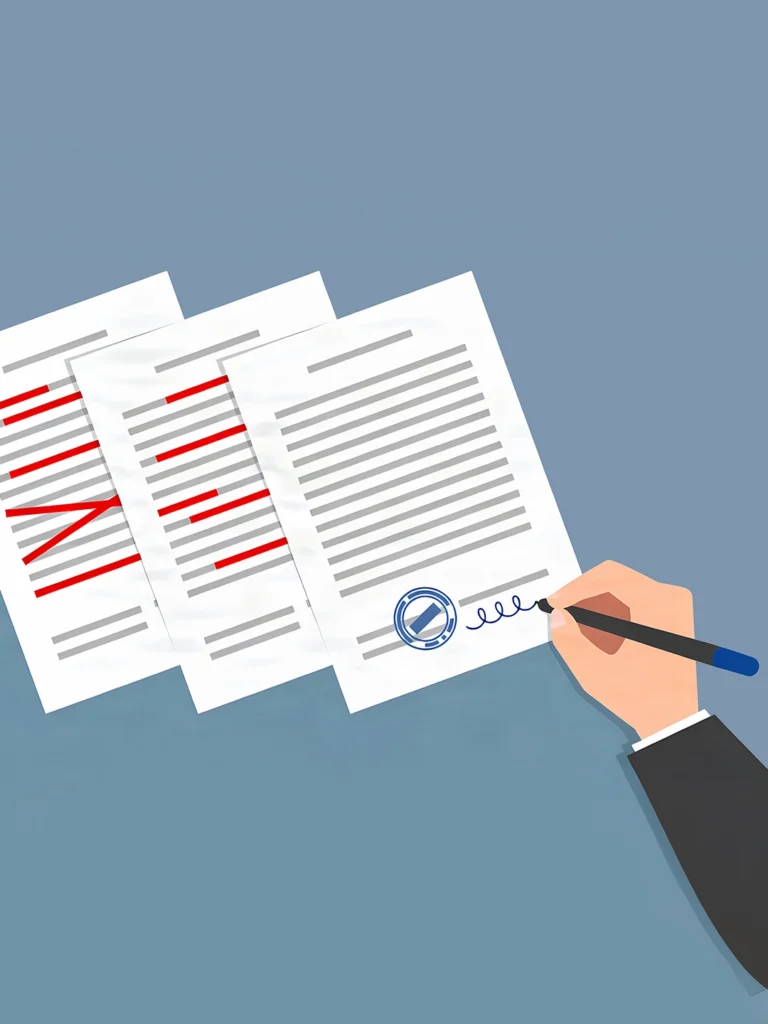
This session walks federal civil litigators through the defending lawyer’s 30-day errata decision in a side-neutral hour. It runs from the on-record review request and Day 0 of the clock through sorting changes by what they do to the testimony, drafting reason lines, and pricing each substantive change in reopening, summary judgment timing, and cross-examination. It closes with how the December 1, 2026 amendment to Fed. R. Evid. 801(d)(1)(A) affects former employees, third-party fact witnesses, and treating physicians.
 Alfred J. Rufty, III 1:10 pm - 2:10 pm EST
This side-neutral session, built for examining counsel in either chair, covers answering an adverse errata sheet in federal civil litigation. The hour covers the Rule 30(e) audit, pleading the strike to the circuit’s standard, a narrowed reopen motion that shifts costs to the changing party, and when a non-party’s changed answer is worth more in the record after amended Rule 801(d)(1)(A) takes effect December 1, 2026, drawing on recent strike and reopen rulings, the costs courts have shifted, and how both versions play before a jury.
 Christopher Macchiaroli
 is a partner in the Washington, D.C. office of Silverman Thompson. His writing includes “Rewriting the Record: A Federal Court Split on the Scope of Permissible Changes to a Deposition Transcript,” published in the Federal Courts Law Review (2009). An experienced litigator and trial attorney, he handles all facets of civil litigation and criminal defense in state and federal courts in the District of Columbia, Maryland, Virginia, and New York, and has tried more than 50 cases to verdict, 28 of them jury trials, including eight in the U.S. District Court for the District of Columbia.
Alfred J. Rufty, III is a partner in the New Orleans office of Jones Walker LLP, where he practices on the firm’s maritime litigation, arbitration, and dispute resolution team. He regularly litigates matters and presents cases before judges and juries in federal and state courts, and brings significant trial experience to that work. Over roughly three decades he has represented vessel owners and operators, offshore service companies, marine insurers, shipyards, cargo owners, and other industry participants, including domestic and foreign companies active on the U.S. Gulf Coast and in Mexico.
Christopher Macchiaroli is a partner in the Washington, D.C. office of Silverman Thompson. His writing includes “Rewriting the Record: A Federal Court Split on the Scope of Permissible Changes to a Deposition Transcript,” published in the Federal Courts Law Review (2009). An experienced litigator and trial attorney, he handles all facets of civil litigation and criminal defense in state and federal courts in the District of Columbia, Maryland, Virginia, and New York, and has tried more than 50 cases to verdict, 28 of them jury trials, including eight in the U.S. District Court for the District of Columbia.
Alfred J. Rufty, III is a partner in the New Orleans office of Jones Walker LLP, where he practices on the firm’s maritime litigation, arbitration, and dispute resolution team. He regularly litigates matters and presents cases before judges and juries in federal and state courts, and brings significant trial experience to that work. Over roughly three decades he has represented vessel owners and operators, offshore service companies, marine insurers, shipyards, cargo owners, and other industry participants, including domestic and foreign companies active on the U.S. Gulf Coast and in Mexico.