Gain access to all of myLawCLE's 1,000+ Live webinars for only $395/yr. Includes this program and over 60 new webinars each month.
Subscribe to All-Access Pass – $395Register for instant access to the recorded video of this one webinar.
Register for Recorded – $195.00Attorneys will learn critical federal rules of evidence that practitioners often overlook, misunderstand, or may not know exist, including recent rule changes.
Attorneys will gain practical applications and strategic considerations for using evidence rules effectively at trial and throughout the litigation process.
Attorneys will learn critical federal rules of evidence that practitioners often overlook, misunderstand, or may not know exist, including recent rule changes.
Attorneys will gain practical applications and strategic considerations for using evidence rules effectively at trial and throughout the litigation process.
Agenda
Session 1
Rule 106: Forcing Complete Context Into Evidence
Session 2
Rule 107: New Framework for Illustrative Aids
Session 3
Rule 201: Judicial Notice Shortcuts to Proof
Session 4
Rule 615: Strategic Witness Sequestration Techniques
Session 5
Rule 807: Residual Hearsay Exception Requirements
Session 6
Rule 1002: Best Evidence Rule Demystified
Session 7
Break
Session 8
Rule 401: Understanding True Relevance Standards
Session 9
Rule 403: Balancing Probative Value Against Prejudice
Session 10
Rules 801 and 803: Hearsay Misconceptions Exposed
Session 11
Rules 901 and 902: Authentication in the AI Era
Session 12
Rule 1006: Simplifying Voluminous Evidence with Summaries
Wilmington University School of Law
Guttman, Buschner & Brooks, PLLC
Explore how the recently amended Rule of Completeness allows you to interrupt opposing counsel to introduce missing context from partial or misleading statements. Learn how this rule now applies to oral statements and can override hearsay objections when fairness demands the full story.
Wilmington University School of Law
Guttman, Buschner & Brooks, PLLC
Wilmington University School of Law
Guttman, Buschner & Brooks, PLLC
Discover the brand new federal rule governing demonstratives, charts, timelines, and visual aids at trial. Understand when illustrative aids can be used, how they differ from actual evidence, and strategies for pre-clearing visuals to avoid objections.
Wilmington University School of Law
Guttman, Buschner & Brooks, PLLC
Wilmington University School of Law
Guttman, Buschner & Brooks, PLLC
Master the powerful shortcut that lets you establish facts without witnesses or exhibits, even on appeal. Learn which adjudicative facts qualify for judicial notice and how authoritative sources like FDA inserts and EPA reports can streamline your case.
Wilmington University School of Law
Guttman, Buschner & Brooks, PLLC
Wilmington University School of Law
Guttman, Buschner & Brooks, PLLC
Understand when and how to exclude witnesses from the courtroom to preserve authentic testimony untainted by other witnesses. Explore the exceptions for parties, corporate representatives, and essential persons, plus additional protective orders available under this mandatory rule.
Wilmington University School of Law
Guttman, Buschner & Brooks, PLLC
Wilmington University School of Law
Guttman, Buschner & Brooks, PLLC
Navigate the catch-all hearsay exception for statements that don’t fit Rules 803 or 804. Learn the stringent trustworthiness and probative value requirements, plus the critical advance notice obligations that make or break this exception.
Wilmington University School of Law
Guttman, Buschner & Brooks, PLLC
Wilmington University School of Law
Guttman, Buschner & Brooks, PLLC
Dispel the common misconception that you must always offer the most persuasive evidence available. Understand that this rule only applies when proving a document’s contents, not when documents serve as circumstantial evidence of other facts.
Wilmington University School of Law
Guttman, Buschner & Brooks, PLLC
Wilmington University School of Law
Guttman, Buschner & Brooks, PLLC
A brief intermission to refresh before diving into the remaining evidence rules. Use this time to review notes and prepare questions for the upcoming sessions.
Wilmington University School of Law
Guttman, Buschner & Brooks, PLLC
Wilmington University School of Law
Guttman, Buschner & Brooks, PLLC
Examine the low threshold for relevance and how circumstantial evidence builds complex cases when direct evidence is unavailable. Learn strategies for both connecting circumstantial evidence chains and decoupling opposing evidence from the narrative.
Wilmington University School of Law
Guttman, Buschner & Brooks, PLLC
Wilmington University School of Law
Guttman, Buschner & Brooks, PLLC
Master the exclusionary filter that tests whether relevant evidence should still be kept out due to unfair prejudice, confusion, or waste of time. Understand the ‘substantially outweighed’ standard through practical analogies and real-world applications.
Wilmington University School of Law
Guttman, Buschner & Brooks, PLLC
Wilmington University School of Law
Guttman, Buschner & Brooks, PLLC
Clear up common hearsay misunderstandings and learn to leverage opposing party statements under Rule 801(d)(2). Discover how to use Rules 803’s exceptions as instruction manuals for deposition questions and discovery strategy.
Wilmington University School of Law
Guttman, Buschner & Brooks, PLLC
Wilmington University School of Law
Guttman, Buschner & Brooks, PLLC
Confront the emerging challenges artificial intelligence poses to traditional evidence authentication methods. Explore how deepfakes and AI-generated content may trigger mini-hearings and expert battles when proving documents and recordings are genuine.
Wilmington University School of Law
Guttman, Buschner & Brooks, PLLC
Wilmington University School of Law
Guttman, Buschner & Brooks, PLLC
Learn when and how to compile voluminous data into admissible summary evidence rather than presenting thousands of documents individually. Understand how Rule 1006 summaries differ from Rule 107 illustrative aids by actually becoming evidence themselves.
Wilmington University School of Law
Guttman, Buschner & Brooks, PLLC
SESSION I
Deposing trucking company personnel…
SESSION II
Defending the Company. Effective Deposition …
SESSION III
Defending the Company. Effective Deposition …
SESSION IV
Defending the Company. Effective Deposition …
2:00 – 3:00 PM EST
In trucking accident litigation, plaintiff attorneys must strategically depose key company personnel to uncover negligence, regulatory violations, and systemic misconduct.
This session provides practical deposition strategies to hold carriers accountable and maximize case value. From frontline drivers to senior executives, attendees will learn how to ask precise questions that expose operational lapses, reveal liability patterns, and strengthen plaintiff claims.
Participants will gain tools to challenge unsafe company cultures, evaluate inadequate training and hiring, and document compliance gaps that often lead to catastrophic incidents.
2:00 – 3:00 PM EST
In trucking accident litigation, plaintiff attorneys must strategically depose key company personnel to uncover negligence, regulatory violations, and systemic misconduct.
This session provides practical deposition strategies to hold carriers accountable and maximize case value. From frontline drivers to senior executives, attendees will learn how to ask precise questions that expose operational lapses, reveal liability patterns, and strengthen plaintiff claims.
Participants will gain tools to challenge unsafe company cultures, evaluate inadequate training and hiring, and document compliance gaps that often lead to catastrophic incidents.
2:00 – 3:00 PM EST
In trucking accident litigation, plaintiff attorneys must strategically depose key company personnel to uncover negligence, regulatory violations, and systemic misconduct.
This session provides practical deposition strategies to hold carriers accountable and maximize case value. From frontline drivers to senior executives, attendees will learn how to ask precise questions that expose operational lapses, reveal liability patterns, and strengthen plaintiff claims.
Participants will gain tools to challenge unsafe company cultures, evaluate inadequate training and hiring, and document compliance gaps that often lead to catastrophic incidents.
2:00 – 3:00 PM EST
In trucking accident litigation, plaintiff attorneys must strategically depose key company personnel to uncover negligence, regulatory violations, and systemic misconduct.
This session provides practical deposition strategies to hold carriers accountable and maximize case value. From frontline drivers to senior executives, attendees will learn how to ask precise questions that expose operational lapses, reveal liability patterns, and strengthen plaintiff claims.
Participants will gain tools to challenge unsafe company cultures, evaluate inadequate training and hiring, and document compliance gaps that often lead to catastrophic incidents.
speakers
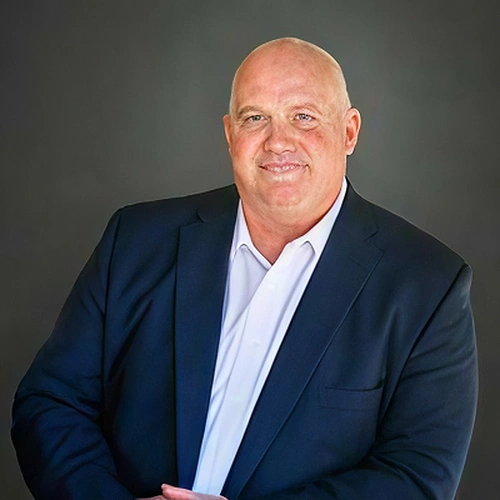
A 2013 graduate of the Gerry Spence Trial Lawyers College in Dubois, Wyoming, Joe is rated AV Preeminent™ by Martindale-Hubbell — the highest peer rating for exceptional legal ability and ethics. He is among the first nine attorneys nationwide to earn board certification in Truck Accident Law from the National Board of Trial Advocacy.
Joe received the Roadway Safety Award from the American Association for Justice (AAJ) for his commitment to improving highway safety. He currently serves as Co-Chair of the Academy of Truck Accident Attorneys (ATAA) Safety Committee, advocating for higher safety standards across the trucking industry.
Joe serves on the faculty of the AAJ Advanced Trial Advocacy College: Litigating Truck Collision Cases (2015 & 2024). He is an active member of AAJ’s Trucking Litigation Group and sits on the Board of Regents for the Academy of Truck Accident Attorneys.
Joe frequently consults and co-counsels on complex commercial truck cases. His proven track record includes numerous successful trials against motor carriers and truck leasing companies — delivering justice for victims of commercial vehicle accidents.
A 2013 graduate of the Gerry Spence Trial Lawyers College in Dubois, Wyoming, Joe is rated AV Preeminent™ by Martindale-Hubbell — the highest peer rating for exceptional legal ability and ethics. He is among the first nine attorneys nationwide to earn board certification in Truck Accident Law from the National Board of Trial Advocacy.
Joe received the Roadway Safety Award from the American Association for Justice (AAJ) for his commitment to improving highway safety. He currently serves as Co-Chair of the Academy of Truck Accident Attorneys (ATAA) Safety Committee, advocating for higher safety standards across the trucking industry.
Joe serves on the faculty of the AAJ Advanced Trial Advocacy College: Litigating Truck Collision Cases (2015 & 2024). He is an active member of AAJ’s Trucking Litigation Group and sits on the Board of Regents for the Academy of Truck Accident Attorneys.
Joe frequently consults and co-counsels on complex commercial truck cases. His proven track record includes numerous successful trials against motor carriers and truck leasing companies — delivering justice for victims of commercial vehicle accidents.
A 2013 graduate of the Gerry Spence Trial Lawyers College in Dubois, Wyoming, Joe is rated AV Preeminent™ by Martindale-Hubbell — the highest peer rating for exceptional legal ability and ethics. He is among the first nine attorneys nationwide to earn board certification in Truck Accident Law from the National Board of Trial Advocacy.
Joe received the Roadway Safety Award from the American Association for Justice (AAJ) for his commitment to improving highway safety. He currently serves as Co-Chair of the Academy of Truck Accident Attorneys (ATAA) Safety Committee, advocating for higher safety standards across the trucking industry.
Joe serves on the faculty of the AAJ Advanced Trial Advocacy College: Litigating Truck Collision Cases (2015 & 2024). He is an active member of AAJ’s Trucking Litigation Group and sits on the Board of Regents for the Academy of Truck Accident Attorneys.
Joe frequently consults and co-counsels on complex commercial truck cases. His proven track record includes numerous successful trials against motor carriers and truck leasing companies — delivering justice for victims of commercial vehicle accidents.
Wilmington University School of Law
Guttman, Buschner & Brooks, PLLC
Wilmington University School of Law
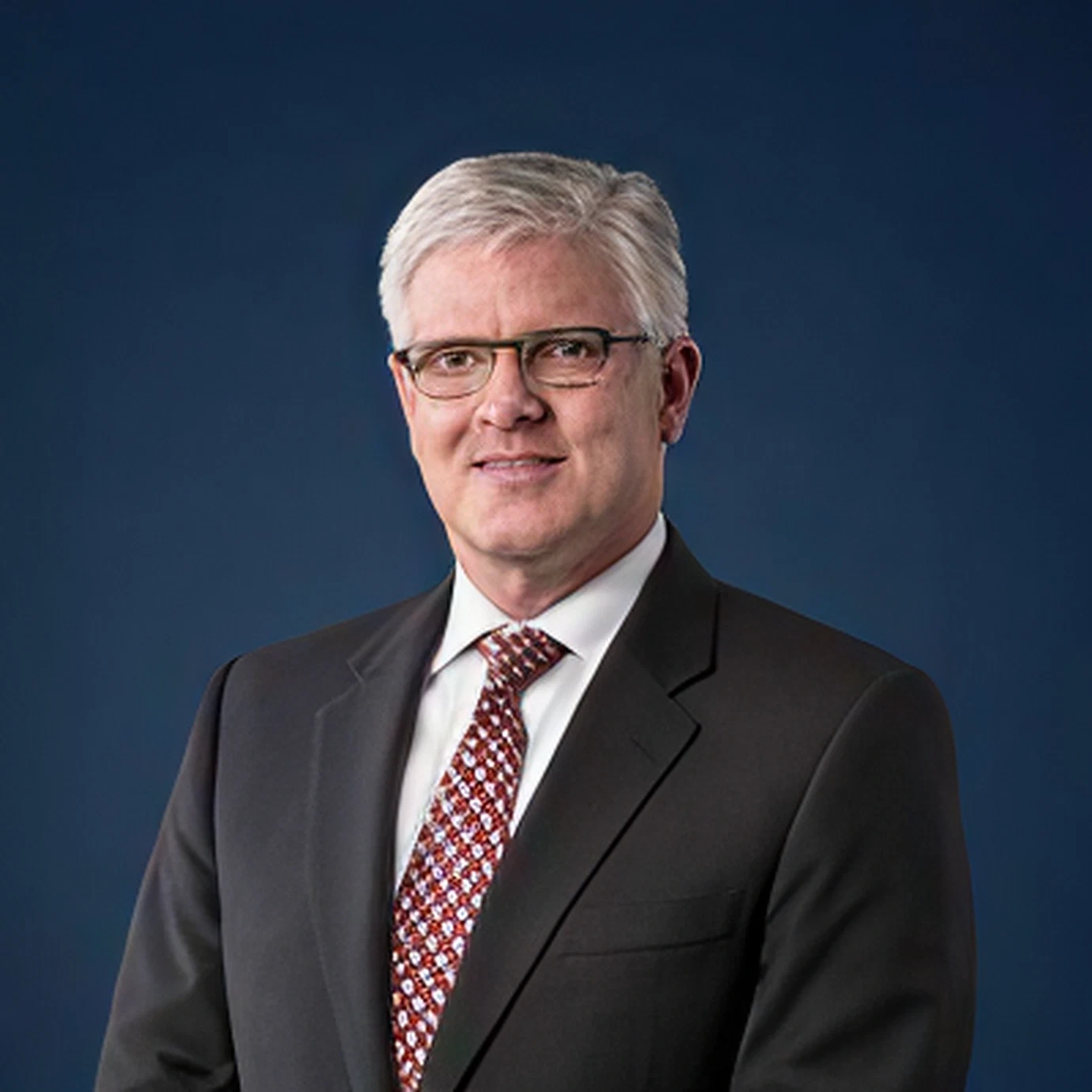
Veronica J. Finkelstein is an accomplished litigator and educator dedicated to developing the next generation of legal advocates. She spent much of her career as an Assistant U.S. Attorney with the U.S. Department of Justice in Philadelphia, where she served as a civil division training officer, paralegal supervisor, and later, senior litigation counsel.
Guttman, Buschner & Brooks, PLLC
Reuben Guttman is a founding member of Guttman, Buschner & Brooks, PLLC, practicing civil rights, whistleblower, class action, and complex litigation. Described by International Business Times as “one of the world’s most prominent whistleblower attorneys” and by Boston Globe’s STAT News as “The Lawyer Pharma Loves to Hate” for wins recouping billions of dollars for federal and state governments.
Wilmington University School of Law
Veronica J. Finkelstein is an accomplished litigator and educator dedicated to developing the next generation of legal advocates. She spent much of her career as an Assistant U.S. Attorney with the U.S. Department of Justice in Philadelphia, where she served as a civil division training officer, paralegal supervisor, and later, senior litigation counsel.
Guttman, Buschner & Brooks, PLLC
Reuben Guttman is a founding member of Guttman, Buschner & Brooks, PLLC, practicing civil rights, whistleblower, class action, and complex litigation. Described by International Business Times as “one of the world’s most prominent whistleblower attorneys” and by Boston Globe’s STAT News as “The Lawyer Pharma Loves to Hate” for wins recouping billions of dollars for federal and state governments.
Plans
| Access type | Individual Purchase | Basic | Premium Most Popular | Corporate CLE Plan |
|---|---|---|---|---|
| Price |
$95 – $245
Price varies based
on the course duration of 1 to 3+ hours |
$395/year
One-time purchase
|
$495/year
One-time purchase
|
Custom
based on firm size
|
| Access type | Pay per class | Unlimited annual access | Unlimited annual access | Unlimited access for all firm members |
| Number of Available Webinars | 1 | 1,000+ | 1,000+ | 1,000+ |
| Number of New Webinars Added Yearly | Limited | 500+ | 500+ | 500+ |
| Earn "Live" CLE credit |
|
|
|
|
|
Ability to Ask Questions During the Presentation via a Chat Box |
|
|
|
|
| Attend "Live" Re-Broadcasts |
|
|
|
|
| Exclusive Partner Webinars & Events |
|
|
|
|
|
Special credits (Ethics, Elimination of Bias, etc.) |
|
|
|
|
| Instant Certificates After Completion |
|
|
|
|
| Personalized CLE Platform |
|
|
|
|
| Live Conferences |
|
|
||
| Bootcamps |
|
|
| Access type |
Pay per class Unlimited annual access Unlimited annual access Unlimited access for all firm members |
|---|---|
| Number of Available Webinars | 1 1,000+ 1,000+ 1,000+ |
| Number of New Webinars Added Yearly | Limited 500+ 500+ 500+ |
| Earn "Live" CLE credit |
|
|
Ability to Ask Questions During the Presentation via a Chat Box |
|
| Attend "Live" Re-Broadcasts |
|
| Exclusive Partner Webinars & Events |
|
|
Special credits (Ethics, Elimination of Bias, etc.) |
|
| Instant Certificates After Completion |
|
| Personalized CLE Platform |
|
| Live Conferences |
|
| Bootcamps |
|
Why Attend
Being an attorney is hard enough without the bookkeeping/IOLTA nonsense. Ready to keep more of what you earn? Whether you’re launching a new law practice or been in your own practice for forty years, this program is your roadmap to slashing your tax bill and building real wealth. Want to write off that second home, or discover how to deduct your vacation? In this dynamic, eye-opening session, civil and criminal tax controversy attorney Eric Green will walk you through often-overlooked strategies to dramatically cut taxes, increase deductions, and protect your law practice from IRS audit adjustments. You’ll walk away armed with actionable insights you can put to work immediately and easily earn back 8-10X what you invested in this seminar!
The program will cover not just how to deduct these expenses but what documentation you need to maintain to make sure you are audit proof if Uncle Sam comes calling!
In this new expanded webinar, Eric and Leighanne will review other benefits like converting your practice to an S Corporation, retirement planning and discuss apps that can help tie all this together and make your record keeping a breeze!
Who Should Attend:
Don’t miss this opportunity to transform the way you think about taxes—and take home the tools you need to save thousands year after year.
Key topics to be discussed:

Closed-captioning available
2025-09-05 13:00:00
This program begins with the foundations of generative AI, introducing large language models and transformer architecture, then moves into practical applications for legal professionals. Participants will learn how to design and deploy custom GPTs in OpenAI and build agent-based automations in Microsoft Copilot, both of which enable legal teams to streamline repetitive work across transactional matters, litigation management, and broader legal operations. The program also highlights how to use OpenAI projects and Microsoft’s integrated tools to scale and organize AI-driven efficiencies across the legal function.
Key topics to be discussed:
Date / Time: December 19, 2025
Closed-captioning available
2025-10-30 14:00:00
Session I – Considerations: Revocable vs. Irrevocable – Georgia Bender
In this session, attorney Georgia Bender will present a brief analysis of the structures and considerations involved in revocable and irrevocable trusts and when each type of trust may be appropriate. Next, Ms. Bender will go into a broad discussion of revocable trusts and the advantages they bring in flexibility of administration, probate avoidance, and estate tax planning. She’ll then review who might be an ideal candidate for this type of trust.
Key topics to be discussed:
Session II – Irrevocable Trusts and Trust Administration – Joseph Donohue
In this session, Attorney Joseph Donohue will review four common types of irrevocable trusts and the contexts in which they are best used. Next, Mr. Donohue will offer some helpful drafting tips for trusts. Lastly, he will dive into topics surrounding trust administration from tax reporting to key phases, avoiding trust contests, and drafting documents to protect your fiduciary clients.
Key topics to be discussed:
Date / Time: December 11, 2025
Closed-captioning available
2026-03-30 14:00:00
FAQ
Yes — the Basic Unlimited Pass gives members access to all online live, replay, and on-demand CLEs, excluding only the live conferences. With the Premium Unlimited Pass, members receive access to over 11 multi-day live conferences as well.
Yes — myLawCLE is an officially accredited CLE provider and seeks CLE approval in all 50 states. Our live webinars, on-demand programs, and replays meet or exceed state bar requirements, ensuring your CLE credits are fully recognized wherever you practice.
Yes — after completing the CLE webinar, attendees select their state for CLE credit and fill out an online evaluation form. Once submitted, a CLE certificate is emailed to them and uploaded to their dashboard.
Yes — myLawCLE develops CLE programs meeting all required CLE types, including mental health, ethics, professionalism, technology, substance abuse, and elimination of bias.
myLawCLE maintains all CLE programs in its library for 12 months following the original broadcast date. Attendees can access any program that remains available in the system during this period.
Yes — all of myLawCLE’s programs are originally broadcast live, with a chat box available for attendees to submit questions during the webinar. Additionally, replays and on-demand versions offer email correspondence with the presenters for any follow-up questions.
Expand Your Legal Expertise
Requirements
The Alabama State Bar MCLE Commission requires attorneys to complete 12 credits, including 1 ethics, by December 31 of each year. All credits must be reported by February 15 of the following year. A maximum of 12 credits, including 1 ethics credit, may be carried over for 1 year only.
Formats