
 2:00 pm - 2:15 pm EST

Joseph, Greenwald & Laake

Joseph, Greenwald & Laake

Joseph, Greenwald & Laake
This session examines the three essential elements for establishing a prima facie retaliation case under Section 3730(h): protected conduct, employer knowledge, and adverse action with causal link. Participants will learn how FCA retaliation claims differ from Title VII, ADA, and common law wrongful discharge provisions, and understand why no underlying FCA qui tam case is required.
Joseph, Greenwald & Laake
Joseph, Greenwald & Laake
Joseph, Greenwald & Laake
2:15 pm - 2:25 pm EST
Joseph, Greenwald & Laake
Joseph, Greenwald & Laake
Joseph, Greenwald & Laake
This session explores what constitutes protected activity under the broadened post-FERA amendments, including internal disclosures, investigations, and refusal to participate in fraud. Attendees will examine the expanded coverage for contractors and agents, employer knowledge requirements, causation standards, and strategic considerations including document retention and procedural hurdles.
Joseph, Greenwald & Laake
Joseph, Greenwald & Laake
Joseph, Greenwald & Laake
2:25 pm - 2:40 pm EST
Joseph, Greenwald & Laake
Joseph, Greenwald & Laake
Joseph, Greenwald & Laake
Participants will learn the full scope of available remedies under Section H, including reinstatement, double back pay with interest, and uncapped emotional distress damages. This session covers how to build effective damages models, mitigation considerations, and the strategic use of expert witnesses for psychological harm, vocational rehabilitation, and economic calculations.
Joseph, Greenwald & Laake
Joseph, Greenwald & Laake
Joseph, Greenwald & Laake
2:40 pm - 2:50 pm EST
Joseph, Greenwald & Laake
Joseph, Greenwald & Laake
Joseph, Greenwald & Laake
This session presents instructive case examples including an $845 million Connecticut laboratory testing settlement involving excessive urinalysis billing. Additional cases involving Buy America Act violations in DoD contracts and Service Contract Act provisions demonstrate how retaliation claims operate independently from underlying qui tam allegations.
Joseph, Greenwald & Laake
Joseph, Greenwald & Laake
Joseph, Greenwald & Laake
2:50 pm - 3:00 pm EST
Joseph, Greenwald & Laake
Joseph, Greenwald & Laake
Joseph, Greenwald & Laake
This session examines how state False Claims Act statutes differ from federal provisions, with some states like Texas and Michigan limiting claims to healthcare fraud only. Participants will explore how states like New York and Rhode Island have broadened coverage to include tax fraud whistleblower claims, and learn to evaluate which statute provides the strongest protections for specific cases.
Joseph, Greenwald & Laake
Joseph, Greenwald & Laake
Joseph, Greenwald & Laake



Joseph, Greenwald & Laake
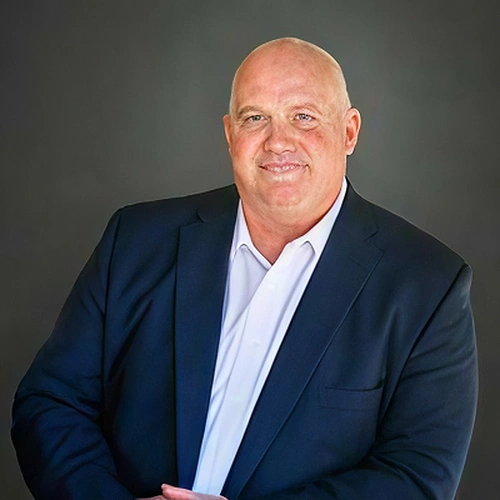
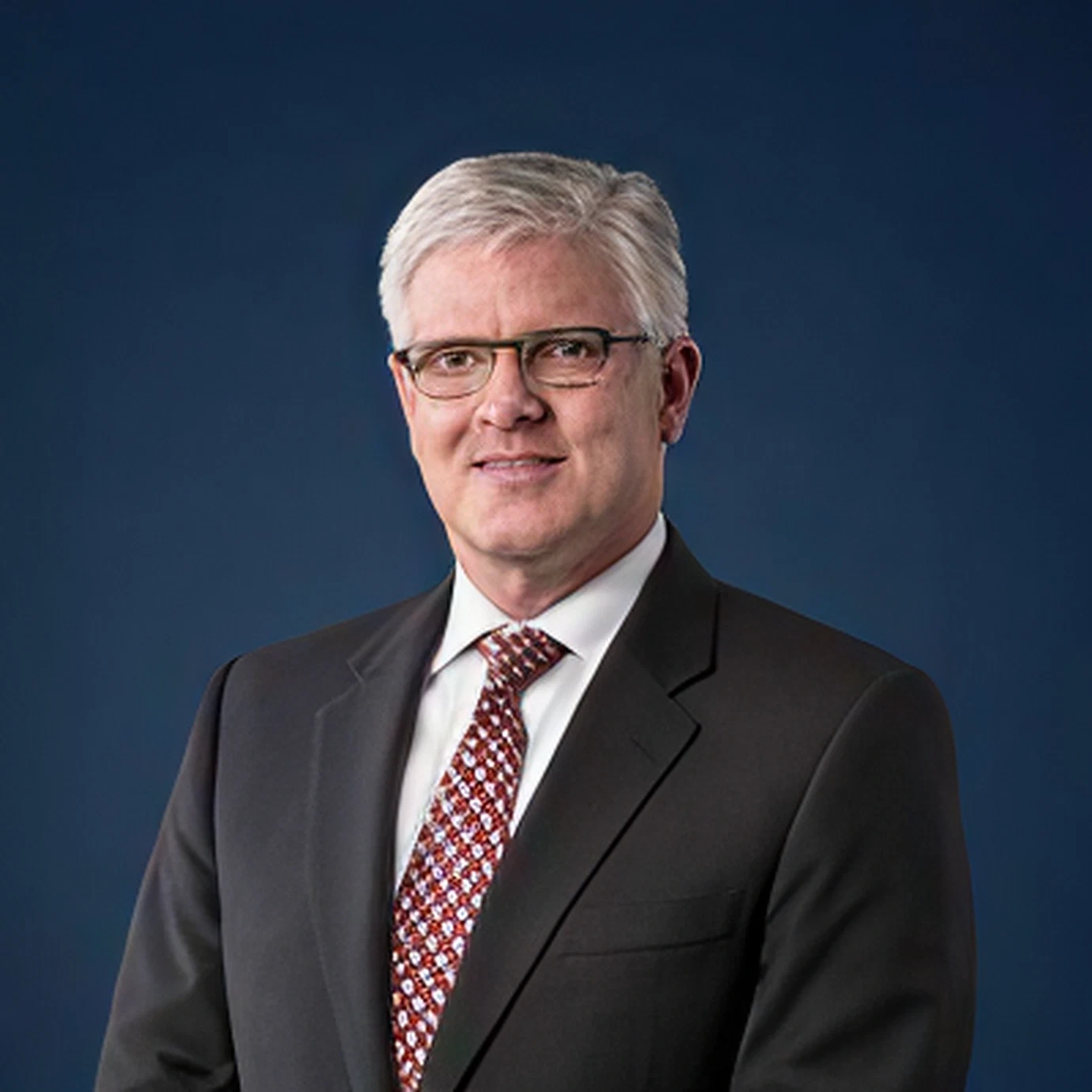
Mr. Holland is a renowned employment and qui tam litigator known for taking on tough cases and achieving exceptional results. He represents whistleblowers in actions under the federal False Claims Act and counsels clients in cases involving discrimination, sexual harassment, wage and hour violations, and wrongful termination.
| Access type | Individual Purchase | Basic | Premium Most Popular | Corporate CLE Plan |
|---|---|---|---|---|
| Price |
$95 – $245
Price varies based
on the course duration of 1 to 3+ hours |
$395/year
One-time purchase
|
$495/year
One-time purchase
|
Custom
based on firm size
|
| Access type | Pay per class | Unlimited annual access | Unlimited annual access | Unlimited access for all firm members |
| Number of Available Webinars | 1 | 1,000+ | 1,000+ | 1,000+ |
| Number of New Webinars Added Yearly | Limited | 500+ | 500+ | 500+ |
| Earn "Live" CLE credit |

|
|
|
|
|
Ability to Ask Questions During the Presentation via a Chat Box |
|
|
|
|
| Attend "Live" Re-Broadcasts |
|
|
|
|
| Exclusive Partner Webinars & Events |
|
|
|
|
|
Special credits (Ethics, Elimination of Bias, etc.) |
|
|
|
|
| Instant Certificates After Completion |
|
|
|
|
| Personalized CLE Platform |
|
|
|
|
| Live Conferences |
|
|
||
| Bootcamps |
|
|
| Access type |
Pay per class |
|---|---|
| Number of Available Webinars | 1 |
| Number of New Webinars Added Yearly | Limited |
| Earn "Live" CLE credit |
|
|
Ability to Ask Questions During the Presentation via a Chat Box |
|
| Attend "Live" Re-Broadcasts |
|
| Exclusive Partner Webinars & Events | |
|
Special credits (Ethics, Elimination of Bias, etc.) |
|
| Instant Certificates After Completion | |
| Personalized CLE Platform | |
| Live Conferences | |
| Bootcamps |
Being an attorney is hard enough without the bookkeeping/IOLTA nonsense. Ready to keep more of what you earn? Whether you’re launching a new law practice or been in your own practice for forty years, this program is your roadmap to slashing your tax bill and building real wealth. Want to write off that second home, or discover how to deduct your vacation? In this dynamic, eye-opening session, civil and criminal tax controversy attorney Eric Green will walk you through often-overlooked strategies to dramatically cut taxes, increase deductions, and protect your law practice from IRS audit adjustments. You’ll walk away armed with actionable insights you can put to work immediately and easily earn back 8-10X what you invested in this seminar!
The program will cover not just how to deduct these expenses but what documentation you need to maintain to make sure you are audit proof if Uncle Sam comes calling!
In this new expanded webinar, Eric and Leighanne will review other benefits like converting your practice to an S Corporation, retirement planning and discuss apps that can help tie all this together and make your record keeping a breeze!
Who Should Attend:
Don’t miss this opportunity to transform the way you think about taxes—and take home the tools you need to save thousands year after year.
Key topics to be discussed:
 Closed-captioning available
This program begins with the foundations of generative AI, introducing large language models and transformer architecture, then moves into practical applications for legal professionals. Participants will learn how to design and deploy custom GPTs in OpenAI and build agent-based automations in Microsoft Copilot, both of which enable legal teams to streamline repetitive work across transactional matters, litigation management, and broader legal operations. The program also highlights how to use OpenAI projects and Microsoft’s integrated tools to scale and organize AI-driven efficiencies across the legal function.
Key topics to be discussed:
Date / Time: December 19, 2025
Closed-captioning available
Session I – Considerations: Revocable vs. Irrevocable – Georgia Bender
In this session, attorney Georgia Bender will present a brief analysis of the structures and considerations involved in revocable and irrevocable trusts and when each type of trust may be appropriate. Next, Ms. Bender will go into a broad discussion of revocable trusts and the advantages they bring in flexibility of administration, probate avoidance, and estate tax planning. She’ll then review who might be an ideal candidate for this type of trust.
Key topics to be discussed:
Session II – Irrevocable Trusts and Trust Administration – Joseph Donohue
In this session, Attorney Joseph Donohue will review four common types of irrevocable trusts and the contexts in which they are best used. Next, Mr. Donohue will offer some helpful drafting tips for trusts. Lastly, he will dive into topics surrounding trust administration from tax reporting to key phases, avoiding trust contests, and drafting documents to protect your fiduciary clients.
Key topics to be discussed:
Date / Time: December 11, 2025
Closed-captioning available