
 2:00 pm - 2:10 pm EST
This session explores the critical role of Spanish language skills for legal professionals, highlighting that 43 million Spanish speakers represent 37% of the U.S. population. Attendees will learn how Spanish-speaking businesses contribute over $8 billion annually and employ approximately 3 million people, underscoring the demographic imperative for bilingual legal services.
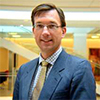 Dr. Björn Arp, Assistant Director
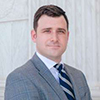 Pablo Perez Salido, Attorney 2:10 pm - 2:20 pm EST
Participants will learn essential techniques for greeting Spanish-speaking clients, gathering basic information, and explaining legal processes in accessible language. This session also covers cultural competency considerations and practical applications across business, criminal, and immigration law contexts.
Dr. Björn Arp, Assistant DirectorPablo Perez Salido, Attorney 2:20 pm - 2:30 pm ESTThis session examines the structure of legal documents in Spanish, including contracts and affidavits, while identifying key sections attorneys encounter regularly. Attendees will practice translating legal phrases and learn to recognize common errors in legal translations.
Dr. Björn Arp, Assistant DirectorPablo Perez Salido, Attorney 2:30 pm - 2:50 pm ESTAttorneys will explore courtroom protocol and essential Spanish phrases used during proceedings, from administering oaths to questioning witnesses. The session includes simulated courtroom scenarios, best practices for working with interpreters, and ethical considerations related to language barriers.
Dr. Björn Arp, Assistant DirectorPablo Perez Salido, Attorney 2:50 pm - 3:00 pm ESTDr. Björn Arp and Attorney Pablo Perez Salido will address participant questions about implementing Spanish language skills in legal practice. This open forum provides an opportunity to clarify concepts and discuss real-world challenges in serving Spanish-speaking clients.
Dr. Björn Arp, Assistant DirectorPablo Perez Salido, AttorneyDr. Arp is an attorney admitted in the State of New York. Björn Arp acts as counsel on a wide range of matters of international law, with a focus on practically all Latin American countries. He is on the arbitrator rosters of FINRA (Financial Institutions National Regulatory Agency) in the United States and the Japan Commercial Arbitration Association (JCAA) in Japan.
Attorney Pablo Perez Salido is a dual-licensed attorney in his home-country of Spain and the United States both in the District of Columbia and the Commonwealth of Pennsylvania. He is based out of Washington, D.C. and focuses his practice on business and family immigration law.
Dr. Arp is an attorney admitted in the State of New York. Björn Arp acts as counsel on a wide range of matters of international law, with a focus on practically all Latin American countries. He is on the arbitrator rosters of FINRA (Financial Institutions National Regulatory Agency) in the United States and the Japan Commercial Arbitration Association (JCAA) in Japan.
Attorney Pablo Perez Salido is a dual-licensed attorney in his home-country of Spain and the United States both in the District of Columbia and the Commonwealth of Pennsylvania. He is based out of Washington, D.C. and focuses his practice on business and family immigration law.