Gain access to all of myLawCLE's 1,000+ Live webinars for only $395/yr. Includes this program and over 60 new webinars each month.
Subscribe to All-Access Pass – $395Register for instant access to the recorded video of this one webinar.
Register for Recorded – $195.00
Course Overview
Identify sympathetic victims and inflammatory facts.
Retain police practices, economist, and medical experts.
Apply clearly established law defense standards.
Prove economic losses and conscious suffering elements.
Course Overview
Identify sympathetic victims and inflammatory facts.
Retain police practices, economist, and medical experts.
Apply clearly established law defense standards.
Prove economic losses and conscious suffering elements.
Why Attend
Agenda
Session 1
Strategic Case Selection for Plaintiff's Counsel
Session 2
Defense Investigation and Multi-Party Representation Strategies
Session 3
Pleadings: Complaints, Answers, and Dismissal Motions
Session 4
Discovery Strategies in High-Exposure Litigation
Session 5
Expert Witnesses: Police Practices, Economics, Medical Evidence
Session 6
Crafting Effective Defense Summary Judgment Motions
Session 7
Settlement Evaluation, Negotiation, and Resolution Tactics
Session 8
Critical Evidentiary Issues for Trial Success
Session 9
Jury Selection Strategies and Voir Dire
Session 10
Break
Session 11
Defendants' Rule 50(a) Motion Requirements and Strategy
Session 12
Qualified Immunity Defense Framework and Application
Session 13
Closing Arguments and Jury Instruction Strategies
Session 14
Drafting Special Verdict Forms to Avoid Inconsistencies
Session 15
Post-Trial Motions: Rules 50(b), 59, Remittitur
Session 16
Calculating and Contesting Attorney's Fee Awards
This session examines the landscape of police fatalities and identifies key factors that make cases viable for plaintiffs. Learn what constitutes a sympathetic victim, inflammatory facts, and how recent Supreme Court decisions like Barnes v. Felix impact Fourth Amendment analysis.
Explore the three parallel investigations triggered by catastrophic police events and initial response protocols. This session covers coverage determinations, conflict assessment, and strategies for representing multiple defendants including officers and municipalities.
Master the Iqbal/Twombly pleading requirements for Section 1983 claims and municipal liability allegations. Learn strategic considerations for defense answers and when filing motions to dismiss may or may not serve your client’s interests.
This session addresses discovery regarding decedents and defendants, including Rule 26 initial disclosures and proportionality standards. Learn about privileges protecting investigation files and strategic use of motions to stay, protective orders, and motions to compel.
Understand why both sides need three key experts: police practices, economist, and medical examiner testimony. This session covers qualification requirements, admissibility rules under FRE 704, and how experts can address ultimate factual versus legal issues.
Learn optimal timing and components for defense summary judgment motions in police use of force cases. This session covers organizing your memorandum, stating undisputed facts properly, and using the motion strategically to narrow issues for trial.
Analyze factors driving high-profile settlements and understand recoverable damages under Section 1983. Learn how to calculate settlement value using jury range and success probability, and master the three numbers every negotiator needs.
Master motions in limine and the four basic evidentiary questions for admissibility determinations. This session covers evidence regarding decedents and defendants, including prior bad acts, department policies versus national standards, and investigation results.
Learn effective voir dire techniques to identify jurors who cannot sit fairly and those favorable to your side. This session covers general jury tendencies, jurors to avoid, and Batson considerations for peremptory challenges.
A ten-minute break allowing attendees to refresh before the final sessions covering trial motions, qualified immunity, closing arguments, verdict forms, and post-trial practice.
Understand why Rule 50(a) is the one motion you must make at trial to preserve appellate issues. Learn proper timing at close of plaintiff’s case and all evidence, and the specific arguments required to avoid waiver.
Explore the Harlow objective test for qualified immunity and its application across use of force scenarios. This session addresses the clearly established standard, the ongoing debate over qualified immunity, and the respective roles of judge and jury.
Master effective closing argument structure for both plaintiffs and defendants in deadly force cases. Learn how to craft jury instructions that address qualified immunity without using that phrase and properly instruct on wrongful death and survival claims.
Understand why the verdict form may be the most important document a trial lawyer prepares. Learn key principles for joint tortfeasors, multiple theories, and structuring liability and damages questions to avoid inconsistent verdicts.
Learn the three post-trial motions available after an adverse verdict and their distinct standards and purposes. This session covers preservation requirements, arguing weight of evidence under Rule 59, and the shock the conscience standard for remittitur.
Master the lodestar calculation for prevailing plaintiff fee awards under 42 U.S.C. § 1988(b). Learn required adjustments for unsuccessful claims, proper documentation of fee petitions, and effective defense opposition strategies.
SESSION I
Deposing trucking company personnel…
SESSION II
Defending the Company. Effective Deposition …
SESSION III
Defending the Company. Effective Deposition …
SESSION IV
Defending the Company. Effective Deposition …
2:00 – 3:00 PM EST
In trucking accident litigation, plaintiff attorneys must strategically depose key company personnel to uncover negligence, regulatory violations, and systemic misconduct.
This session provides practical deposition strategies to hold carriers accountable and maximize case value. From frontline drivers to senior executives, attendees will learn how to ask precise questions that expose operational lapses, reveal liability patterns, and strengthen plaintiff claims.
Participants will gain tools to challenge unsafe company cultures, evaluate inadequate training and hiring, and document compliance gaps that often lead to catastrophic incidents.
2:00 – 3:00 PM EST
In trucking accident litigation, plaintiff attorneys must strategically depose key company personnel to uncover negligence, regulatory violations, and systemic misconduct.
This session provides practical deposition strategies to hold carriers accountable and maximize case value. From frontline drivers to senior executives, attendees will learn how to ask precise questions that expose operational lapses, reveal liability patterns, and strengthen plaintiff claims.
Participants will gain tools to challenge unsafe company cultures, evaluate inadequate training and hiring, and document compliance gaps that often lead to catastrophic incidents.
2:00 – 3:00 PM EST
In trucking accident litigation, plaintiff attorneys must strategically depose key company personnel to uncover negligence, regulatory violations, and systemic misconduct.
This session provides practical deposition strategies to hold carriers accountable and maximize case value. From frontline drivers to senior executives, attendees will learn how to ask precise questions that expose operational lapses, reveal liability patterns, and strengthen plaintiff claims.
Participants will gain tools to challenge unsafe company cultures, evaluate inadequate training and hiring, and document compliance gaps that often lead to catastrophic incidents.
2:00 – 3:00 PM EST
In trucking accident litigation, plaintiff attorneys must strategically depose key company personnel to uncover negligence, regulatory violations, and systemic misconduct.
This session provides practical deposition strategies to hold carriers accountable and maximize case value. From frontline drivers to senior executives, attendees will learn how to ask precise questions that expose operational lapses, reveal liability patterns, and strengthen plaintiff claims.
Participants will gain tools to challenge unsafe company cultures, evaluate inadequate training and hiring, and document compliance gaps that often lead to catastrophic incidents.
Attorneys will learn the complete litigation process for Section 1983 death and catastrophic injury cases, from case selection through post-trial motions and attorney's fees.
Attorneys will gain mastery of 15 critical stages in high-stakes police liability litigation, ensuring competent representation for plaintiffs or defendants in these matters.
Attorneys will learn the complete litigation process for Section 1983 death and catastrophic injury cases, from case selection through post-trial motions and attorney's fees.
Attorneys will gain mastery of 15 critical stages in high-stakes police liability litigation, ensuring competent representation for plaintiffs or defendants in these matters.
Plans
| Access type | Individual Purchase | Basic | Premium Most Popular | Corporate CLE Plan |
|---|---|---|---|---|
| Price |
$95 – $245
Price varies based
on the course duration of 1 to 3+ hours |
$395/year
One-time purchase
|
$495/year
One-time purchase
|
Custom
based on firm size
|
| Access type | Pay per class | Unlimited annual access | Unlimited annual access | Unlimited access for all firm members |
| Number of Available Webinars | 1 | 1,000+ | 1,000+ | 1,000+ |
| Number of New Webinars Added Yearly | Limited | 500+ | 500+ | 500+ |
| Earn "Live" CLE credit |
|
|
|
|
|
Ability to Ask Questions During the Presentation via a Chat Box |
|
|
|
|
| Attend "Live" Re-Broadcasts |
|
|
|
|
| Exclusive Partner Webinars & Events |
|
|
|
|
|
Special credits (Ethics, Elimination of Bias, etc.) |
|
|
|
|
| Instant Certificates After Completion |
|
|
|
|
| Personalized CLE Platform |
|
|
|
|
| Live Conferences |
|
|
||
| Bootcamps |
|
|
| Access type |
Pay per class Unlimited annual access Unlimited annual access Unlimited access for all firm members |
|---|---|
| Number of Available Webinars | 1 1,000+ 1,000+ 1,000+ |
| Number of New Webinars Added Yearly | Limited 500+ 500+ 500+ |
| Earn "Live" CLE credit |
|
|
Ability to Ask Questions During the Presentation via a Chat Box |
|
| Attend "Live" Re-Broadcasts |
|
| Exclusive Partner Webinars & Events |
|
|
Special credits (Ethics, Elimination of Bias, etc.) |
|
| Instant Certificates After Completion |
|
| Personalized CLE Platform |
|
| Live Conferences |
|
| Bootcamps |
|
speakers
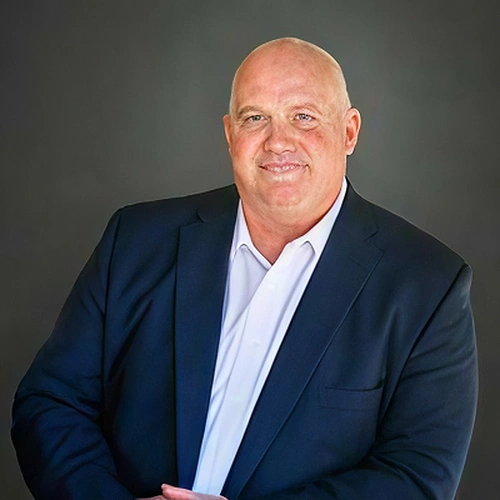
A 2013 graduate of the Gerry Spence Trial Lawyers College in Dubois, Wyoming, Joe is rated AV Preeminent™ by Martindale-Hubbell — the highest peer rating for exceptional legal ability and ethics. He is among the first nine attorneys nationwide to earn board certification in Truck Accident Law from the National Board of Trial Advocacy.
Joe received the Roadway Safety Award from the American Association for Justice (AAJ) for his commitment to improving highway safety. He currently serves as Co-Chair of the Academy of Truck Accident Attorneys (ATAA) Safety Committee, advocating for higher safety standards across the trucking industry.
Joe serves on the faculty of the AAJ Advanced Trial Advocacy College: Litigating Truck Collision Cases (2015 & 2024). He is an active member of AAJ’s Trucking Litigation Group and sits on the Board of Regents for the Academy of Truck Accident Attorneys.
Joe frequently consults and co-counsels on complex commercial truck cases. His proven track record includes numerous successful trials against motor carriers and truck leasing companies — delivering justice for victims of commercial vehicle accidents.
A 2013 graduate of the Gerry Spence Trial Lawyers College in Dubois, Wyoming, Joe is rated AV Preeminent™ by Martindale-Hubbell — the highest peer rating for exceptional legal ability and ethics. He is among the first nine attorneys nationwide to earn board certification in Truck Accident Law from the National Board of Trial Advocacy.
Joe received the Roadway Safety Award from the American Association for Justice (AAJ) for his commitment to improving highway safety. He currently serves as Co-Chair of the Academy of Truck Accident Attorneys (ATAA) Safety Committee, advocating for higher safety standards across the trucking industry.
Joe serves on the faculty of the AAJ Advanced Trial Advocacy College: Litigating Truck Collision Cases (2015 & 2024). He is an active member of AAJ’s Trucking Litigation Group and sits on the Board of Regents for the Academy of Truck Accident Attorneys.
Joe frequently consults and co-counsels on complex commercial truck cases. His proven track record includes numerous successful trials against motor carriers and truck leasing companies — delivering justice for victims of commercial vehicle accidents.
A 2013 graduate of the Gerry Spence Trial Lawyers College in Dubois, Wyoming, Joe is rated AV Preeminent™ by Martindale-Hubbell — the highest peer rating for exceptional legal ability and ethics. He is among the first nine attorneys nationwide to earn board certification in Truck Accident Law from the National Board of Trial Advocacy.
Joe received the Roadway Safety Award from the American Association for Justice (AAJ) for his commitment to improving highway safety. He currently serves as Co-Chair of the Academy of Truck Accident Attorneys (ATAA) Safety Committee, advocating for higher safety standards across the trucking industry.
Joe serves on the faculty of the AAJ Advanced Trial Advocacy College: Litigating Truck Collision Cases (2015 & 2024). He is an active member of AAJ’s Trucking Litigation Group and sits on the Board of Regents for the Academy of Truck Accident Attorneys.
Joe frequently consults and co-counsels on complex commercial truck cases. His proven track record includes numerous successful trials against motor carriers and truck leasing companies — delivering justice for victims of commercial vehicle accidents.
Experienced trial lawyer, author, presenter, and former federal official and administrative appeals judge specializing in police misconduct and corrections cases under Section 1983.
Being an attorney is hard enough without the bookkeeping/IOLTA nonsense. Ready to keep more of what you earn? Whether you’re launching a new law practice or been in your own practice for forty years, this program is your roadmap to slashing your tax bill and building real wealth. Want to write off that second home, or discover how to deduct your vacation? In this dynamic, eye-opening session, civil and criminal tax controversy attorney Eric Green will walk you through often-overlooked strategies to dramatically cut taxes, increase deductions, and protect your law practice from IRS audit adjustments. You’ll walk away armed with actionable insights you can put to work immediately and easily earn back 8-10X what you invested in this seminar!
The program will cover not just how to deduct these expenses but what documentation you need to maintain to make sure you are audit proof if Uncle Sam comes calling!
In this new expanded webinar, Eric and Leighanne will review other benefits like converting your practice to an S Corporation, retirement planning and discuss apps that can help tie all this together and make your record keeping a breeze!
Who Should Attend:
Don’t miss this opportunity to transform the way you think about taxes—and take home the tools you need to save thousands year after year.
Key topics to be discussed:
Date / Time: March 27, 2026

Closed-captioning available
2026-03-27 13:00:00
This program begins with the foundations of generative AI, introducing large language models and transformer architecture, then moves into practical applications for legal professionals. Participants will learn how to design and deploy custom GPTs in OpenAI and build agent-based automations in Microsoft Copilot, both of which enable legal teams to streamline repetitive work across transactional matters, litigation management, and broader legal operations. The program also highlights how to use OpenAI projects and Microsoft’s integrated tools to scale and organize AI-driven efficiencies across the legal function.
Key topics to be discussed:
Date / Time: December 19, 2025
Closed-captioning available
2025-10-30 14:00:00
Session I – Considerations: Revocable vs. Irrevocable – Georgia Bender
In this session, attorney Georgia Bender will present a brief analysis of the structures and considerations involved in revocable and irrevocable trusts and when each type of trust may be appropriate. Next, Ms. Bender will go into a broad discussion of revocable trusts and the advantages they bring in flexibility of administration, probate avoidance, and estate tax planning. She’ll then review who might be an ideal candidate for this type of trust.
Key topics to be discussed:
Session II – Irrevocable Trusts and Trust Administration – Joseph Donohue
In this session, Attorney Joseph Donohue will review four common types of irrevocable trusts and the contexts in which they are best used. Next, Mr. Donohue will offer some helpful drafting tips for trusts. Lastly, he will dive into topics surrounding trust administration from tax reporting to key phases, avoiding trust contests, and drafting documents to protect your fiduciary clients.
Key topics to be discussed:
Date / Time: December 11, 2025
Closed-captioning available
2026-03-30 14:00:00
FAQ
Yes — the Basic Unlimited Pass gives members access to all online live, replay, and on-demand CLEs, excluding only the live conferences. With the Premium Unlimited Pass, members receive access to over 11 multi-day live conferences as well.
Yes — myLawCLE is an officially accredited CLE provider and seeks CLE approval in all 50 states. Our live webinars, on-demand programs, and replays meet or exceed state bar requirements, ensuring your CLE credits are fully recognized wherever you practice.
Yes — after completing the CLE webinar, attendees select their state for CLE credit and fill out an online evaluation form. Once submitted, a CLE certificate is emailed to them and uploaded to their dashboard.
Yes — myLawCLE develops CLE programs meeting all required CLE types, including mental health, ethics, professionalism, technology, substance abuse, and elimination of bias.
myLawCLE maintains all CLE programs in its library for 12 months following the original broadcast date. Attendees can access any program that remains available in the system during this period.
Yes — all of myLawCLE’s programs are originally broadcast live, with a chat box available for attendees to submit questions during the webinar. Additionally, replays and on-demand versions offer email correspondence with the presenters for any follow-up questions.
Expand Your Legal Expertise
Requirements
The Alabama State Bar MCLE Commission requires attorneys to complete 12 credits, including 1 ethics, by December 31 of each year. All credits must be reported by February 15 of the following year. A maximum of 12 credits, including 1 ethics credit, may be carried over for 1 year only.
Formats