 10:15 am - 10:20 am EST

Deuterman Law Group

Deuterman Law Group
This segment examines how post-onset employment affects Social Security disability claims. Attorneys will learn how the Social Security Administration evaluates work activity, how earnings impact disability determinations, and how to assess work history to identify risks and opportunities.
Eligible for up to 1 CLE Credit Hour
This session was originally submitted for CLE as a live, in-person presentation and a live webcast for the 2026 Spring National Conference and may be eligible for self-study credit. Each state handles self-study credit differently; for questions, please consult your State Bar Association.
Recorded Tuesday, April 21, 2026.
Deuterman Law Group
Deuterman Law Group
10:20 am - 10:40 am EST
Deuterman Law Group
Deuterman Law Group
This segment focuses on criteria used to classify employment as an unsuccessful work attempt. Attorneys will learn how these findings preserve the original alleged onset date and what documentation and evidence support the classification.
Eligible for up to 1 CLE Credit Hour
This session was originally submitted for CLE as a live, in-person presentation and a live webcast for the 2026 Spring National Conference and may be eligible for self-study credit. Each state handles self-study credit differently; for questions, please consult your State Bar Association.
Recorded Tuesday, April 21, 2026.
Deuterman Law Group
Deuterman Law Group
10:40 am - 11:00 am EST
Deuterman Law Group
Deuterman Law Group
Attorneys will learn how trial work period rules allow disability beneficiaries to attempt work without losing benefits. This segment also addresses how qualifying impairment-related work expenses reduce countable earnings and how to identify both in client records.
Eligible for up to 1 CLE Credit Hour
This session was originally submitted for CLE as a live, in-person presentation and a live webcast for the 2026 Spring National Conference and may be eligible for self-study credit. Each state handles self-study credit differently; for questions, please consult your State Bar Association.
Recorded Tuesday, April 21, 2026.
Deuterman Law Group
Deuterman Law Group
11:00 am - 11:15 am EST
Deuterman Law Group
Deuterman Law Group
This segment examines how subsidies and special employment conditions affect earnings evaluations. Attorneys will learn to identify workplace accommodations influencing substantial gainful activity determinations and apply advocacy strategies for presenting these issues during disability determinations.
Eligible for up to 1 CLE Credit Hour
This session was originally submitted for CLE as a live, in-person presentation and a live webcast for the 2026 Spring National Conference and may be eligible for self-study credit. Each state handles self-study credit differently; for questions, please consult your State Bar Association.
Recorded Tuesday, April 21, 2026.
Deuterman Law Group
Deuterman Law Group




Deuterman Law Group
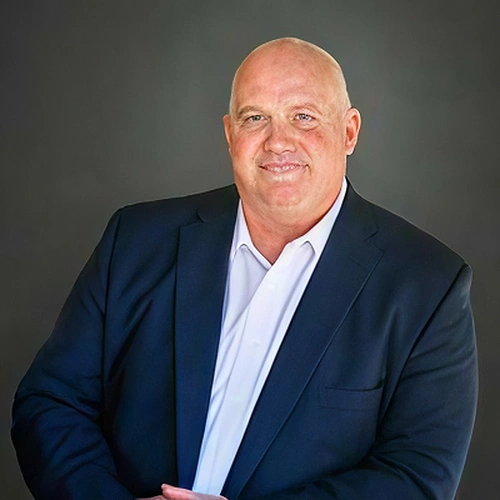
Christine Burnside is the Managing Attorney for the Social Security department at Deuterman Law Group, where she has practiced Social Security disability law since graduating from law school in 2012. A double Tar Heel, she earned both her undergraduate degree and her Juris Doctor from the University of North Carolina at Chapel Hill. Christine has been certified by the North Carolina State Bar Board of Legal Specialization as a specialist in Social Security disability law since 2019, serves on the NC Bar Social Security Specialization Committee, and was elected to the Board of Directors of the National Organization of Social Security Claimants’ Representatives (NOSSCR), where she serves as Fourth Circuit Representative.
| Access type | Individual Purchase | Basic | Premium Most Popular | Corporate CLE Plan |
|---|---|---|---|---|
| Price |
$95 – $245
Price varies based
on the course duration of 1 to 3+ hours |
$395/year
One-time purchase
|
$495/year
One-time purchase
|
Custom
based on firm size
|
| Access type | Pay per class | Unlimited annual access | Unlimited annual access | Unlimited access for all firm members |
| Number of Available Webinars | 1 | 1,000+ | 1,000+ | 1,000+ |
| Number of New Webinars Added Yearly | Limited | 500+ | 500+ | 500+ |
| Earn "Live" CLE credit |

|
|
|
|
|
Ability to Ask Questions During the Presentation via a Chat Box |
|
|
|
|
| Attend "Live" Re-Broadcasts |
|
|
|
|
| Exclusive Partner Webinars & Events |
|
|
|
|
|
Special credits (Ethics, Elimination of Bias, etc.) |
|
|
|
|
| Instant Certificates After Completion |
|
|
|
|
| Personalized CLE Platform |
|
|
|
|
| Live Conferences |
|
|
||
| Bootcamps |
|
|
| Access type |
Pay per class |
|---|---|
| Number of Available Webinars | 1 |
| Number of New Webinars Added Yearly | Limited |
| Earn "Live" CLE credit |
|
|
Ability to Ask Questions During the Presentation via a Chat Box |
|
| Attend "Live" Re-Broadcasts |
|
| Exclusive Partner Webinars & Events | |
|
Special credits (Ethics, Elimination of Bias, etc.) |
|
| Instant Certificates After Completion | |
| Personalized CLE Platform | |
| Live Conferences | |
| Bootcamps |
Being an attorney is hard enough without the bookkeeping/IOLTA nonsense. Ready to keep more of what you earn? Whether you’re launching a new law practice or been in your own practice for forty years, this program is your roadmap to slashing your tax bill and building real wealth. Want to write off that second home, or discover how to deduct your vacation? In this dynamic, eye-opening session, civil and criminal tax controversy attorney Eric Green will walk you through often-overlooked strategies to dramatically cut taxes, increase deductions, and protect your law practice from IRS audit adjustments. You’ll walk away armed with actionable insights you can put to work immediately and easily earn back 8-10X what you invested in this seminar!
The program will cover not just how to deduct these expenses but what documentation you need to maintain to make sure you are audit proof if Uncle Sam comes calling!
In this new expanded webinar, Eric and Leighanne will review other benefits like converting your practice to an S Corporation, retirement planning and discuss apps that can help tie all this together and make your record keeping a breeze!
Who Should Attend:
Don’t miss this opportunity to transform the way you think about taxes—and take home the tools you need to save thousands year after year.
Key topics to be discussed:
 Closed-captioning available
This program begins with the foundations of generative AI, introducing large language models and transformer architecture, then moves into practical applications for legal professionals. Participants will learn how to design and deploy custom GPTs in OpenAI and build agent-based automations in Microsoft Copilot, both of which enable legal teams to streamline repetitive work across transactional matters, litigation management, and broader legal operations. The program also highlights how to use OpenAI projects and Microsoft’s integrated tools to scale and organize AI-driven efficiencies across the legal function.
Key topics to be discussed:
Date / Time: December 19, 2025
Closed-captioning available
Session I – Considerations: Revocable vs. Irrevocable – Georgia Bender
In this session, attorney Georgia Bender will present a brief analysis of the structures and considerations involved in revocable and irrevocable trusts and when each type of trust may be appropriate. Next, Ms. Bender will go into a broad discussion of revocable trusts and the advantages they bring in flexibility of administration, probate avoidance, and estate tax planning. She’ll then review who might be an ideal candidate for this type of trust.
Key topics to be discussed:
Session II – Irrevocable Trusts and Trust Administration – Joseph Donohue
In this session, Attorney Joseph Donohue will review four common types of irrevocable trusts and the contexts in which they are best used. Next, Mr. Donohue will offer some helpful drafting tips for trusts. Lastly, he will dive into topics surrounding trust administration from tax reporting to key phases, avoiding trust contests, and drafting documents to protect your fiduciary clients.
Key topics to be discussed:
Date / Time: December 11, 2025
Closed-captioning available