
On-Demand · June 19, 2025
What You Can Do About Trustees Behaving Badly: Strategies for Identifying, Challenging, and Remedying Fiduciary Misconduct
Practical strategies for identifying trustee misconduct, understanding fiduciary duties, pursuing legal remedies, and mastering deposition techniques.


 Michael A. Hackard Hackard Law CorporationBrian Geremia Hackard Law CorporationJohn DePiazza Akel DePiazza Fiduciary
About this program


Course Overview
Remedying Trustee Misconduct and Fiduciary Breaches
Attorneys will gain practical tools to identify trustee misconduct red flags, pursue effective legal remedies, and conduct depositions that expose fiduciary breaches. These strategies help protect beneficiaries and build compelling cases.
- Fiduciary Duties Analyze core trustee obligations under Probate Code.
- Misconduct Recognition Identify red flags signaling potential trustee breaches.
- Legal Remedies Pursue removal, suspension, and financial recovery actions.
- Deposition Strategies Apply techniques exposing self-dealing and HEMS violations.
Why Attend
Mastering trustee fiduciary duties and breach remedies is crucial as the unprecedented $84 trillion wealth transfer increases litigation risk dramatically.
- $84T Baby boomers and the Silent Generation will bequeath $84.4 trillion in assets through 2045, with $72.6 trillion going directly to heirs. (Cerulli Associates)
- #1 Estate, trust, and probate ranks as the riskiest practice area for legal malpractice claims according to the 2020-2023 ABA Study. (ABA Standing Committee on Lawyers' Professional Liability)
- 30% Of wealthy people cite inheritance as a cause of past, current, or future family strain according to the 2024 Bank of America Private Bank Study. (Bank of America Private Bank)
- 2/3 Almost two out of three trust disputes are caused by disharmony amongst beneficiary groups according to Herbert Smith Freehills survey. (Herbert Smith Freehills LLP)
Key Topics
- Fiduciary Duties Trustees must follow Probate Code sections 16000-16015 governing loyalty, prudent investment, and transparency.
- Red Flags Warning signs include commingling funds, unexplained losses, and communication breakdowns with beneficiaries.
- Legal Remedies Options range from demanding accountings to petitioning for trustee suspension or removal.
- Deposition Strategy The "yes and" method lowers defenses then contrasts expectations with actual conduct.
- HEMS Violations Trustees commonly violate health, education, maintenance, and support distribution standards nationwide.
- Professional Fiduciaries Third-party licensed fiduciaries provide disinterested oversight and have a calming effect on families.
What You Will Learn and Gain
What you will learn
Attorneys will learn how to identify red flags of trustee misconduct, understand fiduciary duties under Probate Code sections 16000-16015, and master effective deposition techniques.
What you will gain
Attorneys will gain practical tools to document fiduciary breaches, pursue legal remedies including trustee removal, and achieve favorable settlements in trust litigation.
Speakers
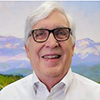
Michael A. Hackard
Hackard Law
Michael A. Hackard is the founding attorney of Hackard Law, a Sacramento-based firm devoted to estate, trust, and probate litigation. Admitted to the California State Bar in 1976, he has spent five decades representing abused beneficiaries and victims of elder financial exploitation in California and federal courts, including out-of-state clients with California-related matters.
Full profile
Experience
Michael's practice concentrates on estate and trust litigation, undue influence and elder financial abuse cases, trust accountings, trustee removal, life insurance beneficiary litigation, and will contests. His new book, Stolen Inheritance: How the Vulnerable Lose Their Estates — and What Families Can Do (Elder Legacy Press, June 2026), serves as the textbook frame for this program.Education
Michael earned his undergraduate degree from California State University, Sacramento in 1972 and his J.D. from the McGeorge School of Law, University of the Pacific in 1976. He is admitted to the California State Bar (1976), the U.S. District Court for the Eastern District of California (1976), and the U.S. Court of Appeals for the Ninth Circuit (1985). He has completed executive-level coursework at the Tuck School of Business, the Wharton School, Columbia Business School, and the Kellogg School of Management.Recognition
Michael has held an AV Preeminent rating, Martindale-Hubbell's highest peer review rating, for more than 40 years, and Avvo rates him 10.0, its highest mark. He has been selected for inclusion in Super Lawyers, an honor reserved for no more than five percent of attorneys in each state. He is the author of books on elder financial exploitation in trusts and estates, including The Wolf at the Door: Undue Influence and Elder Financial Abuse and Alzheimer's, Widowed Stepmothers & Estate Crimes.Professional involvement
Michael is a member of the Los Angeles County Bar Association and has represented clients before federal, state, and local legislative and administrative bodies. He has built an extensive public education practice around inheritance theft and elder financial abuse, including a library of more than 900 educational videos and a comprehensive legal resource guide for victims and their families. Brian Geremia
Hackard Law Corporation
Brian Geremia is a senior attorney at Hackard Law specializing in trust, estate, and elder financial abuse litigation, including will and trust contests, trustee breach of fiduciary duty claims, accountings, deed cancellations, and related matters.
Full profile
Experience
Senior attorney at Hackard Law since 2017. Prior to joining Hackard Law, represented charter schools at Young, Minney & Corr. Co-founded the Ancestral Health Society, a nonprofit organization hosting annual symposiums on health and nutrition, and Academic Impact, a tutoring and college counseling business.Education
Graduated with distinction from Pacific McGeorge School of Law in 2015, where he served as a staff writer and Chief Online Editor for the McGeorge Law Review. Gained practical experience as a student-attorney for three semesters in the Elder & Health Law Clinic. Graduate of Jesuit High School, Sacramento (2002) and Loyola Marymount University (B.A., English with honors, 2006).Recognition
Three-time Super Lawyers Rising Star honoree. Client Platinum Champion award from Martindale, recognizing exceptional client service with over thirty 5-star client reviews.Professional involvement
Alumni mentor for first-year students at Pacific McGeorge School of Law and panel member for the Elder Law & Social Policy course, sharing insights on estate planning and trust litigation. John DePiazza
Akel DePiazza Fiduciary
John DePiazza is an Army veteran and West Point graduate with 28 years of active and reserve service who brings a multifaceted background combining leadership, technical expertise, and deep commitment to ethical service to his fiduciary practice.
Full profile
Experience
28 years of active and reserve military service. Extensive experience in corporate operations with a project management and team approach to fiduciary service. Leads one of the larger fiduciary teams in California with experience in trusts of all types, estates and probate, health care agent, and conservatorships. Diverse career spans engineering, project management, and elder care administration.Education
West Point graduate. UC Davis MBA. Holds multiple professional degrees, licenses, and certifications including California Licensed Professional Fiduciary, Certified National Guardian, Certified Senior Adviser, Residential Care for the Elderly Administrator, General Contractor, Professional Project Manager, and Civil Engineer.Professional involvement
Actively engaged in supporting veteran and elder communities, advocating for dignity, respect, and quality of life for vulnerable populations.Agenda
-
Fiduciary Duties of Trustees: The Legal Framework
This session establishes the foundational legal standards governing trustee conduct, including the duty of loyalty, prudent investor obligations, and duties to inform beneficiaries. Attendees will explore how California Probate Code sections 16000-16015 define these obligations and the consequences when trustees breach their fiduciary duties.
Michael A. Hackard, Brian Geremia, John DePiazza
-
Recognizing Red Flags of Trustee Misconduct
Learn to identify warning signs that indicate potential trustee misconduct, from unusual investment patterns and commingling of funds to communication breakdowns with beneficiaries. This session covers trust document manipulation, HEMS standard violations, and administrative failures that should prompt further investigation.
Michael A. Hackard, Brian Geremia, John DePiazza
-
Legal Remedies and Action Steps for Beneficiaries
This session examines the range of legal remedies available when trustee misconduct is discovered, including emergency court interventions, trustee suspension and removal petitions, and surcharge actions. Attendees will learn practical strategies for building cases through discovery techniques and when settlement may be the most effective resolution.
Michael A. Hackard, Brian Geremia, John DePiazza
-
Trustee Depositions: Strategies and Practical Examples
Master effective deposition techniques specifically tailored for trust litigation, including the powerful ‘Yes And Method’ for lowering witness defenses and exposing misconduct. This session provides practical guidance on questioning techniques to document HEMS violations, conflicts of interest, and breaches of fiduciary duty.
Michael A. Hackard, Brian Geremia, John DePiazza
MCLE Credits
-
Alabama
Pending CLE Approval
2 General
-
Alaska
Approved for CLE Credits
2 General
Our programs are CLE-eligible through Alaska’s recognition of multi-jurisdictional reciprocity.
-
Arizona
Approved for CLE Credits
2 General
-
Arkansas
Approved for CLE Credits
2 General
-
California
Approved for CLE Credits
2 General
-
Colorado
Pending CLE Approval
2 General
-
Connecticut
Approved for CLE Credits
2 General
-
Delaware
Pending CLE Approval
2 General
-
District of Columbia
No MCLE Required
2 CLE Hour(s)
-
Florida
Pending CLE Approval
2 General Hours
Receive CLE credit in Florida via Attorney Submission.
-
Georgia
Approved for CLE Credits
2 General
-
Hawaii
Approved for CLE Credits
2 General
-
Idaho
Pending CLE Approval
2 General
-
Illinois
Approved for Self-Study Credits
2 General
-
Indiana
Pending CLE Approval
2 General
-
Iowa
Pending CLE Approval
2 General
-
Kansas
Pending CLE Approval
2 Substantive
-
Kentucky
Pending CLE Approval
2 General
-
Louisiana
Pending CLE Approval
2 General
-
Maine
Pending CLE Approval
2 General
-
Maryland
No MCLE Required
2 CLE Hour(s)
-
Massachusetts
No MCLE Required
2 CLE Hour(s)
-
Michigan
No MCLE Required
2 CLE Hour(s)
-
Minnesota
Approved for Self-Study Credits
2 General
-
Mississippi
Pending CLE Approval
2 General
-
Missouri
Approved for Self-Study Credits
2.4 General
-
Montana
Pending CLE Approval
2 General
-
Nebraska
Pending CLE Approval
2 General
myLawCLE reports attendance to Nebraska on each attorney’s behalf for all programs. Please do not self-report.
-
Nevada
Approved for Self-Study Credits
2 General
-
New Hampshire
Approved for CLE Credits
120 General minutes
As of July 1, 2014, the NHMCLE Board no longer provides pre- or post-approval of courses. Attendees must self-determine whether a program is eligible for credit, and self-report their attendance online at www.nhbar.org, based on qualification provisions of Rule 53.
-
New Jersey
Approved for CLE Credits
2 General
Our programs are CLE-eligible through New Jersey’s recognition of multi-jurisdictional reciprocity, except for the courses required under BCLE Reg. 201:2
-
New Mexico
Approved for Self-Study Credits
2 General
-
New York
Approved for CLE Credits
2 General
Our programs are CLE-eligible through New York’s Approved Jurisdiction Group “B”.
-
North Carolina
Approved for Self-Study Credits
2 General
-
North Dakota
Approved for CLE Credits
2 General
Our programs are CLE-eligible through North Dakota’s recognition of multi-jurisdictional reciprocity. Section 1, Policy 1.14
-
Ohio
Approved for Self-Study Credits
2 General
-
Oklahoma
Pending CLE Approval
2.5 General
-
Oregon
Pending CLE Approval
2 General
-
Pennsylvania
Approved for Self-Study Credits
2 General
-
Rhode Island
Pending CLE Approval
2.5 General
-
South Carolina
Pending CLE Approval
2 General
-
South Dakota
No MCLE Required
2 CLE Hour(s)
-
Tennessee
Pending CLE Approval
2 General
-
Texas
Pending CLE Approval
2 General
-
Utah
Pending CLE Approval
2 General
-
Vermont
Approved for CLE Credits
2 General
-
Virginia
Not Eligible
2 General Hours
-
Washington
Approved via Attorney Submission
2 Law & Legal Hours
Receive CLE credit in Washington via Attorney Submission. myLawCLE will supply Washington state attorneys with instructions on how to gain credit.
-
West Virginia
Pending CLE Approval
2.4 General
-
Wisconsin
Approved for Self-Study Credits
2 General
-
Wyoming
Pending CLE Approval
2 General
No state matches.